
Breaking Immersion: Swapping Cameras and Controls - News
by VGChartz Staff , posted on 15 June 2011 / 2,576 Views
One of the most important elements of game design is how the camera reacts to player in the environment. Whether it is the ability to manually move the camera on your own or a title that completely controls the camera for you, if it's not done right, you have a mess on your hands that can potentially destroy an experience. If you can't see what is happening, you can't play the game. If you can't play the game, you're obviously not immersed in it. While manual camera controls have, for the most part, fixed these issues, developers still on occasion take those controls away from you to create either a more cinematic or tense atmosphere. But if gone about wrong, it can completely destroy your immersion into a title.
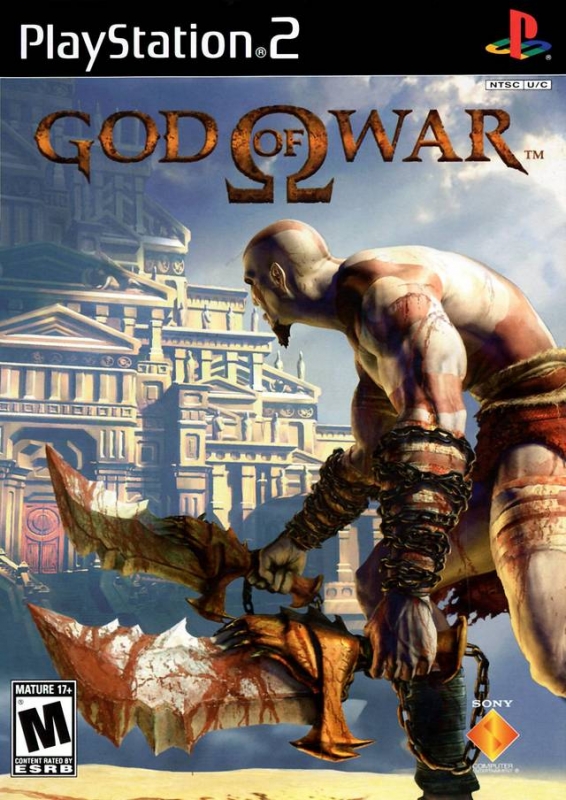
Fixed and automated cameras are nothing to new to video games. Titles like the original Resident Evil take place in an entirely fixed environment where players can only see so much. Thankfully, in an experience like Resident Evil, even with the clunky controls, they are built to keep the player constantly immersed after you learn the controls and avoid control changes between fixed camera angles. Some titles, like Ninja Gaiden or God of War make use of a more dynamic camera system, slowly panning around to follow the player and adjust to their view needs.
Occasionally developers seem to forget what kind of camera system they are working with, specifically developers who have a more dynamic camera. The player will be jogging along in their usual behind-the-back camera mode and then, suddenly, the developers decide they want the camera to be somewhere else. If you have a smooth camera pan across the screen, no problem. If the camera randomly swings or changes to a different fixed position, the player quickly becomes disorientated. Not only that, but their character does a little shuffle of sorts. So when your super beefy man hero is running up the hill, all of a sudden he starts running into the wall a bit, before the player can get him back on track.
Some titles try to prevent this awkward shuffle with some minor control fixes like allowing the player to keep moving in the same direction with their analog stick. And until the player lets go, the controls will work the way they were working before with the previous camera angle. But at some point, eventually, the player has to stop and re-orientate themselves, as holding down on the analog stick in a direction always feels weird when you're actually moving in the opposite direction. Unless, of course, the title is built around this so the player is already familiar with that element of the world. The other option developers opt for is giving the players a limited time to adjust. It works similar to the controls explained above. After about three seconds, they automatically adjust your controls, and your character starts fidgeting. Then you have titles that just don't care and, if you're on a small path, you better hope there are invisible walls cause you might be off the edge before you know it.
It is kind of funny that most of these sharp camera changes happen in survival horror titles. They're supposed to increase the tension by showing a shadowy figure or some monster overlooking you from the horizon, ceiling vents or whatever. It is hard to really stay in the experience when, while being overlooked by some demon figure, your character is somewhere else on the screen doing a little Irish jig as you fight to re-orientate yourself with the controls. But no matter the situation, when the camera suddenly swaps to a different location and your character starts shuffling around, you're pulled right out of the experience as you fumble with the controls.
More Articles
maybe you can find answers here:
<a href="http://www.clothes6.org/"> http://www.clothes6.org/</a>
<a href="http://www.clothes6.org/"> http://www.clothes6.org/</a>
Wonderful.
Share a website with you ,
( http://www.fashionclothe.com )
Believe you will love it.
Accept paypal or credit card and free shipping.

Obviously, I agree with your point. But you should have mentioned Super Mario Galaxy. That game got automatic camera RIGHT.

Old school survival horrors are awesome.
Now, games with fcked up camera are usually action/adventure titles.