
Without a Dawn (XS) - Review
by Lee Mehr , posted on 27 May 2026 / 2,504 Views
Reviewer's Note: Given some of my pointed critiques, it's impossible to avoid SPOILERS altogether in this review. Read on at your own risk.
A title like "Without a Dawn" should prime everyone for a depressing time – doubly so as an advertised "psychological visual novel." Solo developer/writer Jesse Makkonen sidles away from his comfortable routine of side-scrolling horror adventures into a more condensed and claustrophobic title highlighting the inner turmoil of a lonely woman. No background is initially given outside of her soul-crushing depression, and there are only more questions than clear answers as the tale unfolds. Without any constant to ground the player, it's initially hard to grasp whether obstacles are real or imaginary; it's in that middle ground where Makkonen feels most comfortable.
He's also most comfortable in telling a story by his rules. Unlike a standard visual novel, like say The Wreck or Slay the Princess, practically every decision here is a false binary. Said critique is often attributed to TellTale Games' choose-your-own-adventure template; and though there's truth in how many decisions still corral you towards a similar terminus, there's usually some nuance reinforcing a decision's consequence. This is a different breed entirely. Since it's told through a 2nd-person point of view, you'll hear a small noise by the bedroom window and be asked if you want to investigate. The ignore option is always mere flavor text impelling you to select correctly and move things along. This framing of pathological indecisiveness doesn't work because of these restrictions; in fact, even a light sprinkling of true binary options that eventually lead down the same main path would've enhanced this mechanical metaphor tenfold.
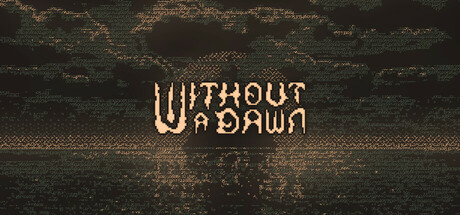
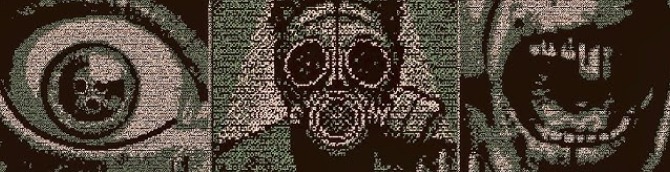
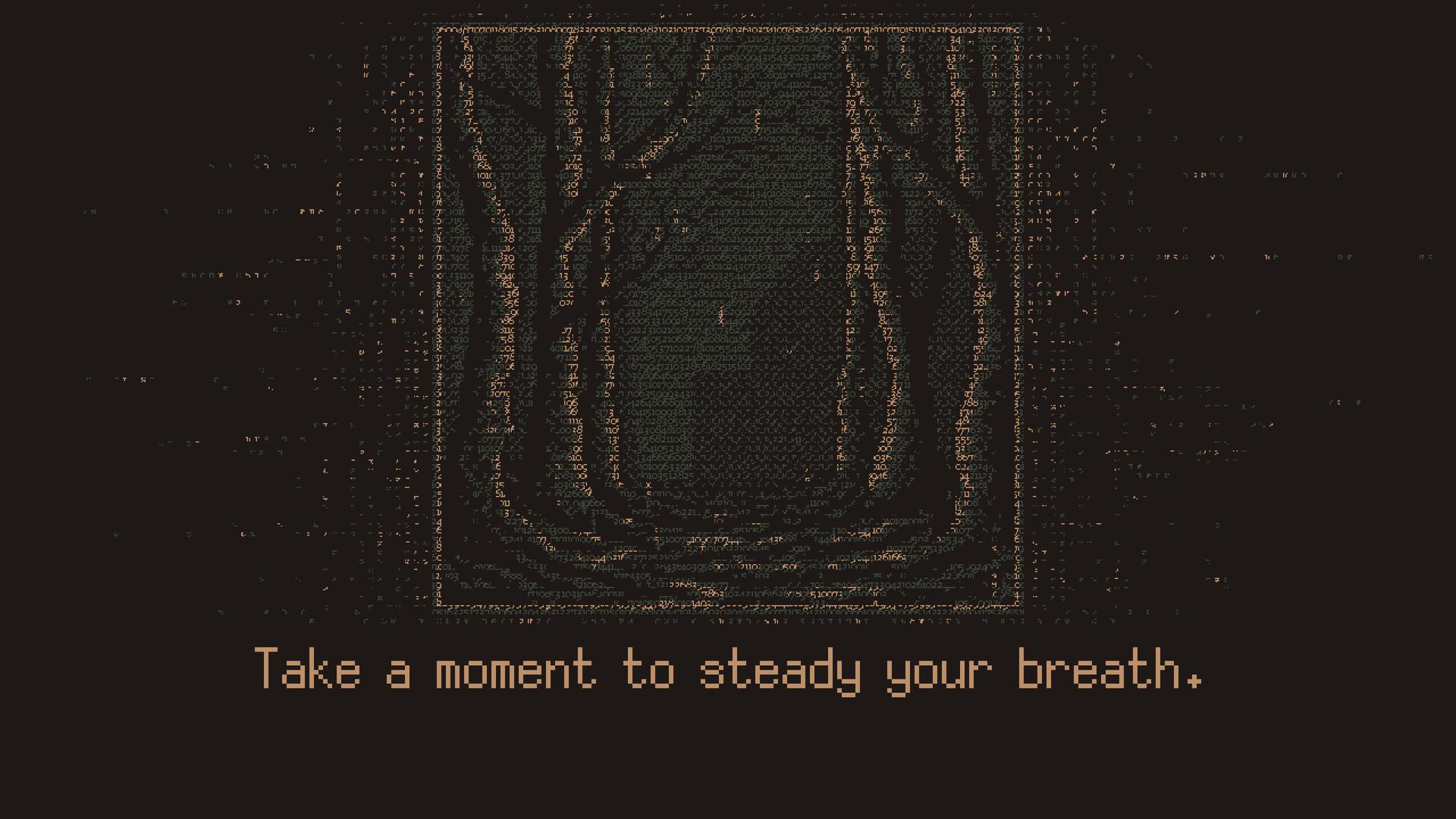
Given the immense responsibilities here for one creative, it's understandable to want to manage a realistic workload and focus on a singular storyline. Credit where it's due: that narrowed focus results in a few moments of genuine tension. The lion's share of credit for that is owed to good production values. Compared to aesthetic misfires in his DISTRAINT series, Silence of the Sleep, and so on, Dawn's austere pseudo-ASCII art is a clear cut above them. It taps into that MSDOS retro-beauty of yesteryear, much like Return of the Obra Dinn, and borrows the various di-/tri-chromatic color scheming options as well. Paired with imposing sound effects, it ranks as one of the best recent examples of squeezing as much as possible out of a straitened budget and scope.
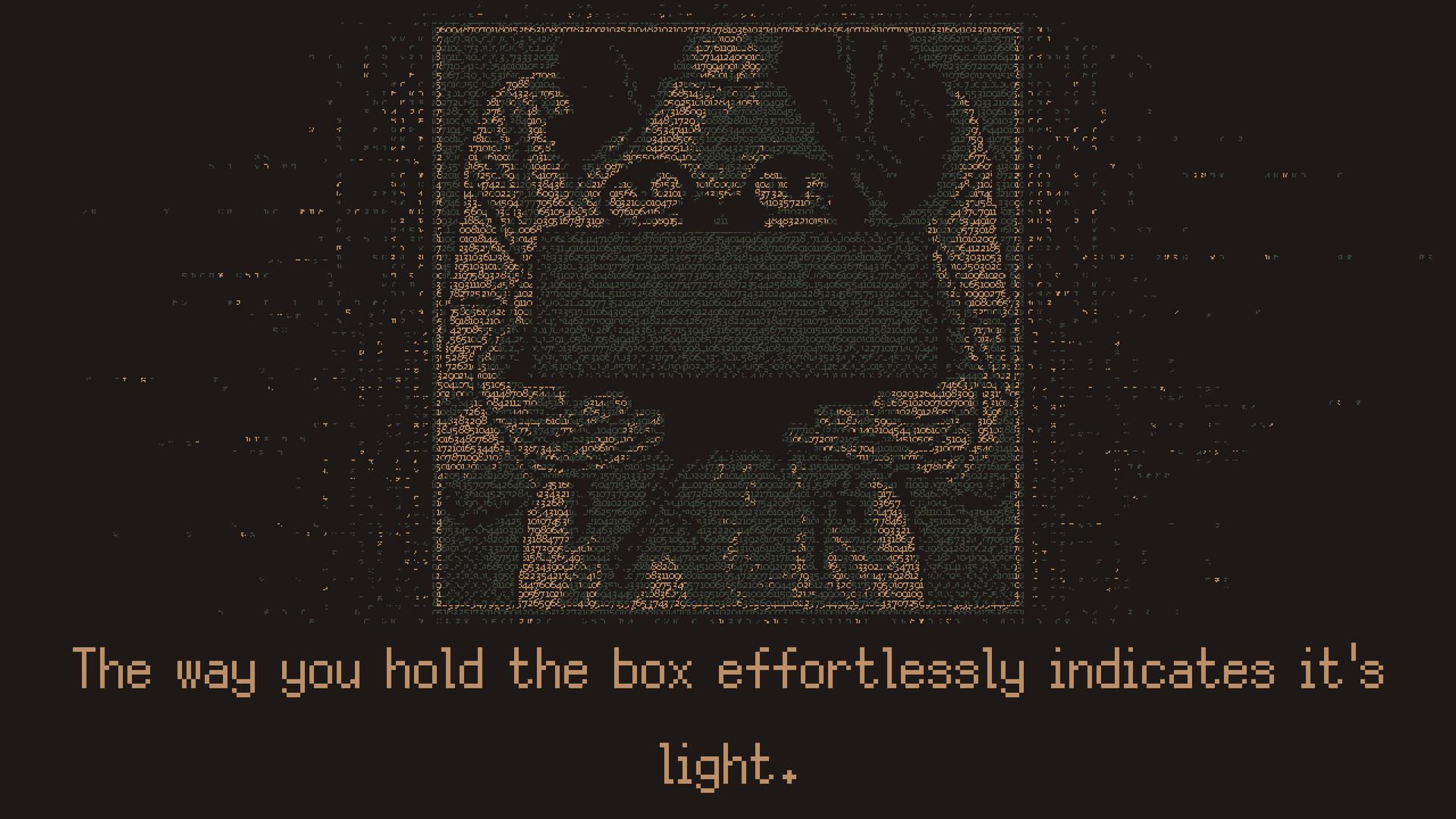
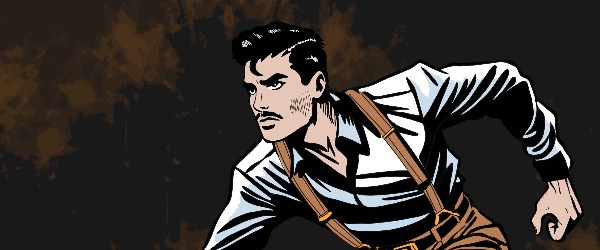
Within these lo-fi environs lies a world balancing between lucid dream and reality. Our unnamed protagonist – slightly tousled, with dark hair and soft eyes – feels emotionally battered, while the only constants are repeating visions of a stranger in a gas mask. He serves as both a gatekeeper, with a couple of arbitrary puzzles, and quest-giver for her next objective, all of which is layered in opaque prophetic dialogue. Depression, self-harm, and suicide are pressed together alongside an even dose of nihilism that she can't seem to eject from her head.
The script tries to present these themes, and how our psyches grasp onto symbols to understand the unknowable, but never reaches those desired aims. For starters, burrowing into such potent ideas demands more than the Spark Notes on depression. That's a difficult nut to crack for any narrative with a 40-minute runtime – if you're a quick reader. Beyond the number-crunching argument, what with it retailing at $8 (standard), truncating to that extent results in a pull towards shock value and suspense over measured character development; its prose frequently provides florid environmental descriptions but never presents an authentic interior of our protagonist.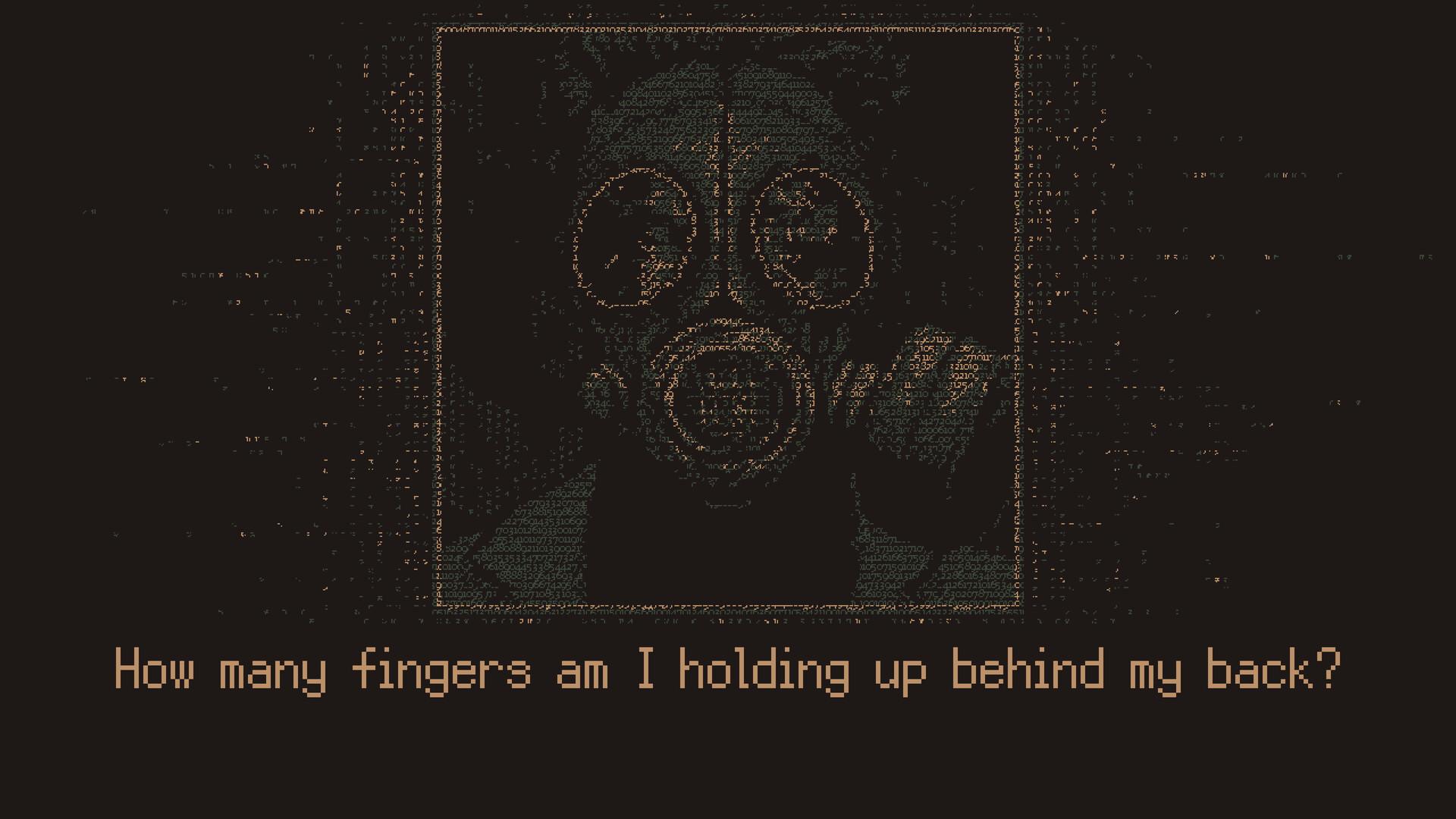
This rougher critique is effectively reinforced by Makkonen's vainglorious self-insertion towards the end – like a Marvel pre-credits scene – wherein he describes Dawn being closer to "art" than "game." He then goes on to recount going to a dark place to write this story, which also unintentionally reframes his writing like a tourist just trying to say the right things, before asking players to write a review. Well… here you go, sir! Not to excoriate him as a person, but this aspect, alongside its hurried pace, feels like a smoking gun in highlighting its inherent artifice.
Among Without a Dawn's assortment of easy tricks are sparse moments of great suspense – buttressed by its presentation. The way in which its ASCII-styled art is paired with a unique portrait framing gimmick ranks this as Makkonen's best visuals to date. The fundamental problem stems back to its shallow, adulterated examination of such heavy topics, while also loathing the player's own input. However rewarding – or even therapeutic – this process may have been for Makkonen, by the time its climax comes around and alludes to something deeper, you'd wish it felt more genuine.
Contractor by trade and writer by hobby, Lee's obnoxious criticisms have found a way to be featured across several gaming sites: N4G, VGChartz, Gaming Nexus, DarkStation, TechRaptor, and Cubed3! He started gaming in the mid-90s and has had the privilege in playing many games across a plethora of platforms. Reader warning: each click given to his articles only helps to inflate his Texas-sized ego. Proceed with caution.
VGChartz Verdict


4.5
Poor
This review is based on a digital copy of Without a Dawn for the XS