2025 in Review: Winners and Losers - Article
by Taneli Palola , posted on 10 January 2026 / 7,085 Views
Editor's Note: This article originally referenced Bobby Kotick. After being contacted by his legal team we have removed these references. They point out that no court or any independent investigation has substantiated any allegations that there had been systemic or widespread sexual harassment at Activision Blizzard under Kotick.
Before we leave 2025 completely behind us and begin taking a closer look at the horrors that 2026 surely has in store, let's once again mull over the best and worst of the last year. As is more or less tradition by now, the winners side took ages to properly fill, while there was an abundance of choice for the losers, but to keep some semblance of balance I whittled both sides down to just five. Let's take a look, shall we?
The Winners
Video Game Preservation Taking Some Significant Steps Forward
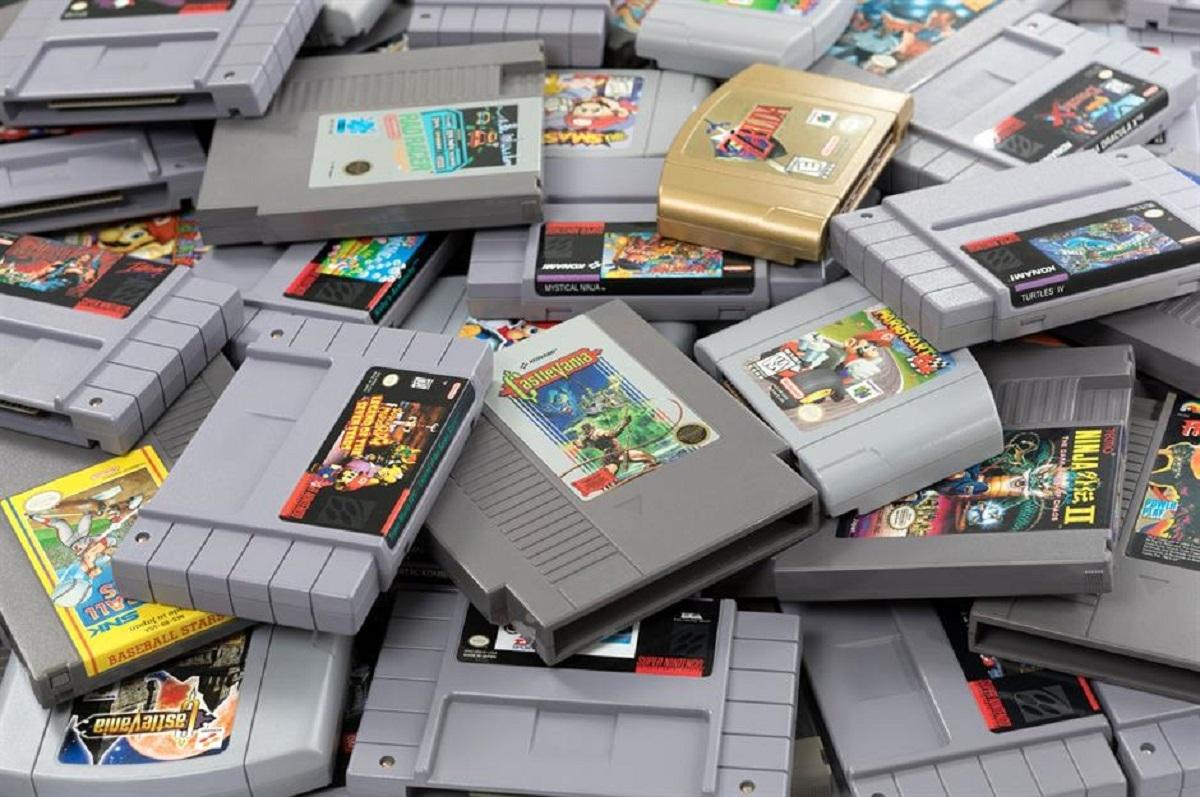
According to a 2023 study, around 87% of all video games released before 2010 are either out of print or inaccessible on modern hardware. This means that even games released on systems as recently as the PS3, Xbox 360, and the Wii are no longer available for purchase anywhere, and the only way to legally play nearly 9 out of 10 classic games today is to find original copies of them. Even if you happen to still own a physical copy of an old game, it's quite likely that you're still unable to actually play it because the format isn't compatible with modern computers or consoles, and older hardware is increasingly difficult to find in working condition.
However, in recent times various groups and people, such as the Video Game Preservation Museum in London, the Video Game History Foundation, and the Arctic World Archive, have begun making a serious effort to preserve the history of video games. The video game industry is already bad enough at forgetting its history and never learning from its past mistakes, so it's good to see at least some parties are trying to preserve the cultural and physical history of the medium. This isn't something to be taken for granted, as historically many game companies have been staunchly against any kind of preservation efforts, much to the detriment of the whole medium.
ESA Launches Accessible Games Initiative
Working together with some of the biggest companies in the industry, the Electronic Software Association has launched an initiative to provide consumers with clear information about the accessibility features available in video games. Numerous companies have already pledged their support for the initiative, and the 24 tags the initiative launched with include accessibility information such as if a game has narrated menus, controller remapping, colour alternatives for colour blind people, and so on.
It's never a bad thing when video games are made available to a wider range of people, and one of the significant ways developers can do that is with accessibility features, so it's a good thing that wider reaching initiatives involving some of the industry's biggest players like this are also being developed. The ESA doesn't always do the right thing, but at least sometimes it can still be a force for good as well.
Ubisoft Executives Face Prison Sentences
It's been years at this point since many of the top Ubisoft executives were accused of physical, mental, and sexual abuse of workers, with the company keeping it hidden from the public eye and protecting said abusers on a corporate level by moving them between different departments within the company. Three of those executives have finally been found guilty of sexual assault and harassment, received suspended prison sentences for varying lengths of time, and fined. It's more than likely that this is nowhere near everyone responsible for the culture of abuse and harassment within Ubisoft, but at least some of them have now suffered consequences for their actions.
AA Games Making a Comeback
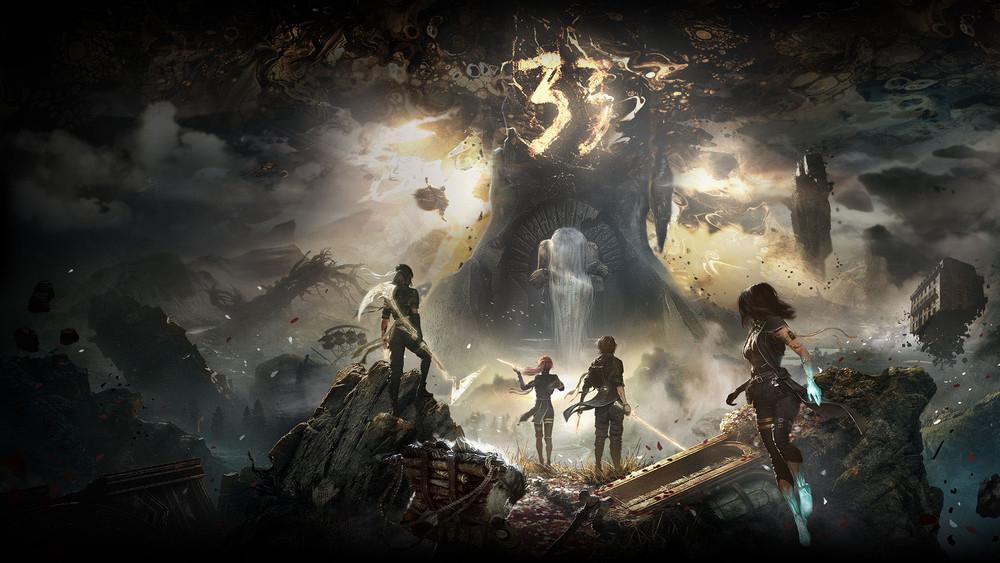
For what seems like the first time in decades, the AA space actually felt vibrant and alive in 2025. For a long time now it's been a sad reality of the video game industry that between the big AAA releases and small budget indie titles there's been a huge void of mid-level titles with moderate budgets and development teams. Obviously, every year there have been exceptions, but it really has felt like after the early 2010s those kinds of releases all but died out, as big publishers focused more and more on titles with huge name value and discarded almost all other projects, while indie developers were naturally more limited in their budgets.
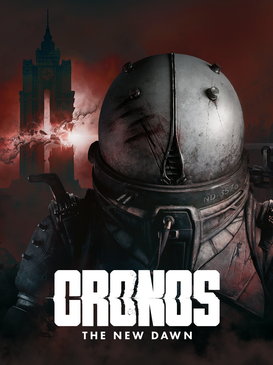
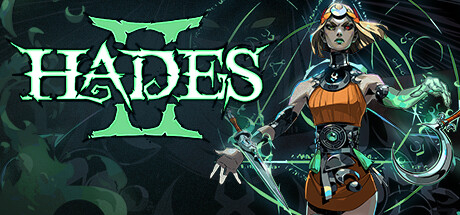
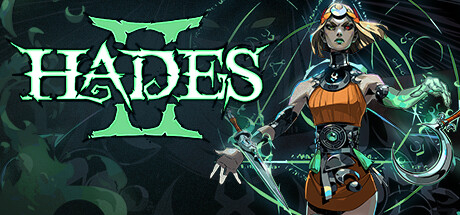
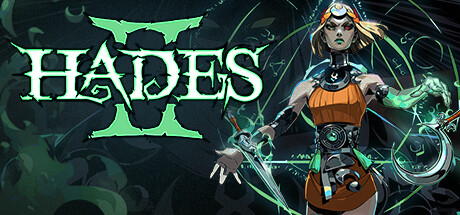
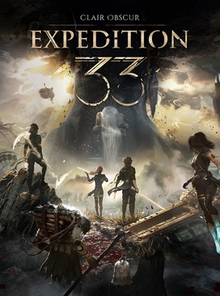
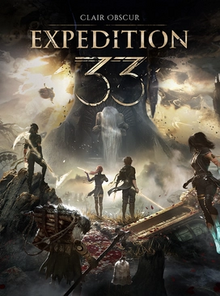
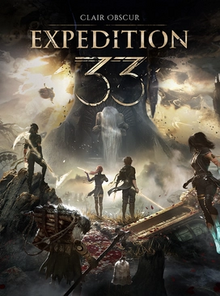
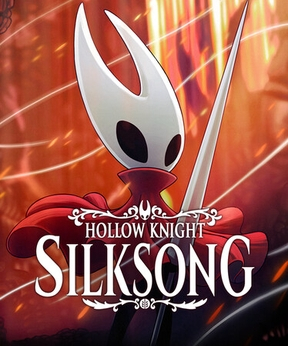
However, right now it looks like those kinds of mid-budget titles have made a genuine comeback in a significant way, with Clair Obscur: Expedition 33 being the most obvious example, but last year we also saw the release of Hades II, Hollow Knight Silksong, Cronos: The New Dawn, Trails in the Sky 1st Chapter, and many more moderately budgeted titles that received great reviews and achieved strong sales.
European Commission Combats In-Game Purchases Aimed at Children

The European Commission and various national authorities launched an initiative that seeks to protect children from predatory advertising practices in video games that were found in violation of EU consumer protection legislation, including: (1) direct appeals to children urging them to buy in-game currency or items; (2) the use of pressuring techniques such as limited-time availabilities to influence children into spending money; and (3) lack of clear and transparent information about buying or using in-game currencies.
They also published a set of key principles that outline the minimum requirements for using and purchasing in-game currencies:
- Clear and transparent pricing and pre-contractual information.
- Avoiding practices hiding the costs of in-game digital content and services, as well as practices forcing consumers to purchase virtual currency.
- Respect of consumers' right of withdrawal.
- Respecting consumer vulnerabilities, in particular when it comes to children.
This particular branch of video game monetization has long been in need of proper oversight, and this seems like a solid step in the right direction. Essentially under this potential new act, video games would no longer be able to disguise the real cost of their in-game purchases by using virtual currencies.
The Losers
Continued Mass Layoffs in the Industry
This has just become a yearly note to highlight the sad state of the video game industry at this point. Once again, the last year saw thousands of people across the industry lose their jobs due to restructuring, trend chasing, shortsighted profiteering, and many other reasons. Over the last several years the video game industry has bled talent and experience at an unprecedented pace, and while some of the people who've lost their jobs will find work in video games, many will simply leave and go elsewhere. As always, listing all the examples would take forever, so here's just a small sampling of firings from this past year:
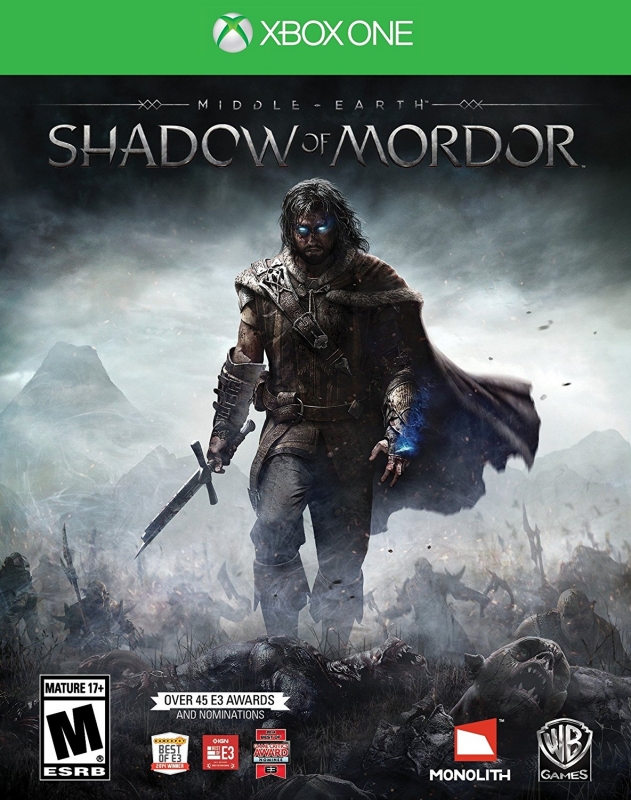
- In February, Warner Bros. shut down Monolith Productions (The team behind Middle-Earth: Shadow of Mordor and its sequel), Player First Games (Multiversus) and WB Games San Diego. WB had only acquired Player First Games the previous July.
-
- Also in February, NetEase laid off the developers of the hit hero shooter Marvel Rivals, very soon after the game's launch. "We recently made the difficult decision to adjust Marvel Rivals’ development team structure for organizational reasons and to optimize development efficiency for the game," a NetEase representative stated in the usual corporate nonsense speak. "This resulted in a reduction of a design team based in Seattle that is part of a larger global design function in support of Marvel Rivals. We appreciate the hard work and dedication of those affected and will be treating them confidentially and respectfully with recognition for their individual contributions." They finished, insincerely.
-
- In April, EA laid off 300 to 400 employees, including at least 100 staff members from Respawn Entertainment, and cancelled a Titanfall game that was in development. EA spokesman Justin Higgs had this to say:"As part of our continued focus on our long-term strategic priorities, we’ve made select changes within our organization that more effectively aligns teams and allocates resources in service of driving future growth.” The stuff they say never really means anything, does it?
-
- Amazon also laid off a significant portion of its game development staff when it fired 14,000 people back in July. Amazon is ”leaning into things that Amazon does best” said Amazon vice president of Audio, Twitch and Games, Steve Boom, in a memo.
-
And then there's...
Microsoft

Microsoft deserves a spot all of its own. Not only did the company fire over 15,000 employees in 2025, with layoffs hitting studios such as Zenimax, Rare, Raven Software, and Blizzard, among others, which consequently also led to the cancellation of several projects that were in development, but it did so amidst posting record revenue levels. Oh, and Xbox producer Matt Turnbull suggested that those laid off should use AI tools to ”help reduce the emotional and cognitive load that comes with job loss."
The company is also investing heavily into AI, because of course it is. That also goes a long way to explaining why it's getting rid of such a large number of workers. After all, you need to find the money somewhere to develop those AI tools that are supposed to replace all the people you fired. Phil Spencer made some rather curious statements following the layoffs, notably stating that ”our platform, hardware, and game roadmap have never looked stronger.” So the company is simultaneously the most successful it's ever been, while also firing people by the thousands. Its gaming division is supposedly stronger than ever, yet it's effectively gutted many of the studios that brought it success in the first place.
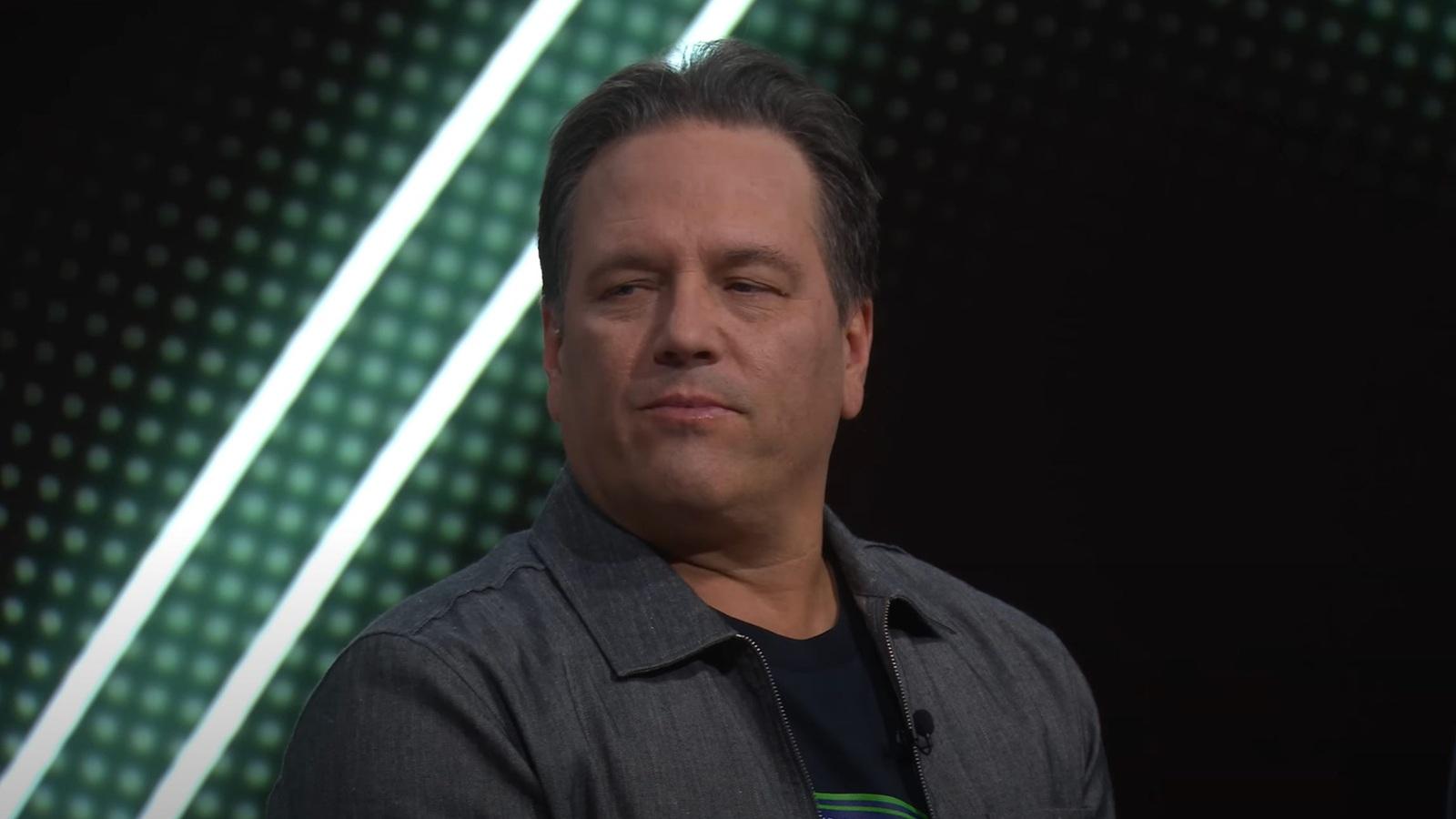
Shedding perhaps a modicum of light on these layoffs and the almost desperate need to push AI is the fact that for the last few years Microsoft executives have set a new profit margin target for the Xbox division. A 30% target to be exact. For context, the average game industry profit margin in 2024 was roughly 17%, meaning that Microsoft execs are somehow expecting profit margins at nearly double the industry average. I guess they're looking to achieve that by increasing the price and lowering the value of their subscription service, enacting massive layoffs, closing numerous studios, and cancelling projects at the ones that are still left. Seems just a tad unrealistic to me, but then again, I'm not an executive in a video game company. I mean, they haven't given me much reason to trust them in recent years, but maybe they're onto something this time. Probably not, but there's always a chance, right?
Nintendo Being Nintendo

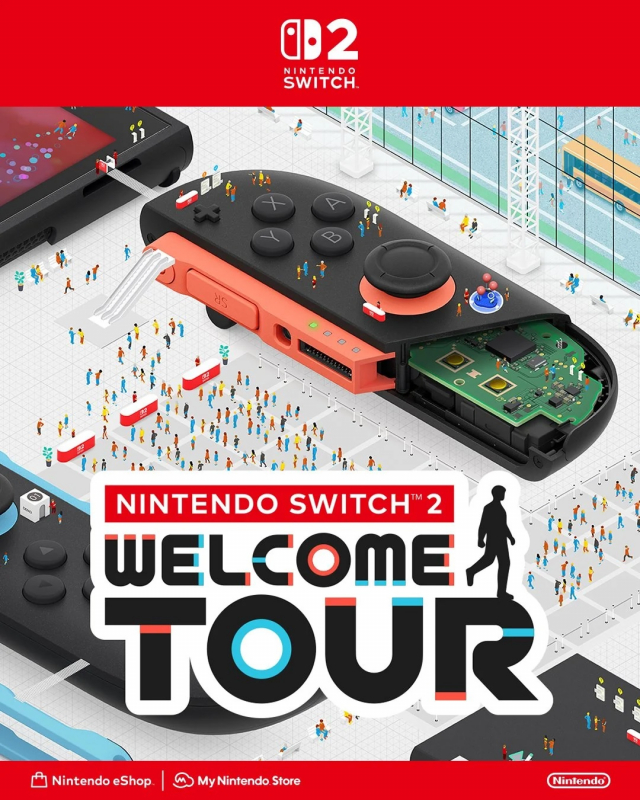
This year, Nintendo decided to sell an instruction manual for its shiny new home console for $10. The Nintendo Switch 2 Welcome Tour is an embarrassing, charmless, sterile tech-demo lacking in personality and fun. For a company that once created Wii Sports, and to a lesser extent Nintendoland, for a similar purpose, that's disappointing to say the least. The fact that Nintendo charged money for the thing would be funny if I wasn't certain that some people still bought it for some reason.
Far more alarmingly, Nintendo also decided to try its hand at patenting game mechanics in 2025, and to the surprise and consternation of quite a few people, was initially awarded those patents by the US Patent and Trademark Office. The most widely criticized of these were the patents concerning the use of summoned characters in battle, and the mechanic to capture a character or creature in a game, as they were considered far too broad in scope and as such could restrict other games in an unfair manner. Obviously these were likely brought on by the lawsuit against the developer of Palworld.
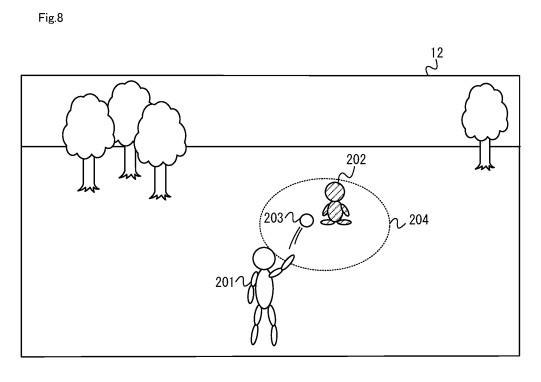
The latter patent was ultimately rejected in Japan, and later in the US the patents were placed under re-examination as well. Patenting game mechanics has never been a positive for the video game industry, succeeding only in limiting creativity and preventing developers from improving on existing mechanics. Famous examples include the Nemesis system in Shadow of Mordor, which is still held hostage by Warner Bros., and loading screen minigames, which Namco owned the patent to and which is now useless anyway because loading screens have all but disappeared due to technological improvements.
Nintendo was also at the forefront of the push for $80 games this past year, paving the way for others to follow with Mario Kart World. The industry in general has been slowly pushing game prices higher and higher, while also pushing microtransactions, special editions, day 1 DLC, and more in its games. Yet, now that Nintendo has established a precedent that a large enough number of people are willing to accept, other companies will almost certainly follow suit in the near future. Meanwhile, games like Clair Obscur and Hollow Knight: Silksong cost $50 and 20$, respectively, at launch for a vastly better value proposition.
Generative AI
2025 felt like the year when the hard push for the use of generative AI in video game development began. We've heard countless claims about AI being the future of video games, said by the same people who a few years ago said NFTs were the future. Perhaps it's because they feel a kinship with the cold, soulless mind of generative AI, but those people are almost always high ranking executives who see it as yet another way to squeeze more money out of the video game industry.
The shift to using AI is always painted in very broad strokes as a net positive for video games, while literal billions are being poured into the technology in the vain hope that one day the profits will magically come. Isn't it curious how the people who don't make the games, but profit off them, want to get rid of the people who do make the games that create those profits in the first place. At the same time, the vast majority of gamers are extremely negative towards gen AI.

As mentioned earlier, Microsoft is pushing AI hard, but obviously it's not the only company betting on the AI horse to get it the big wins. Square Enix apparently wants 70% of its QA done by AI, the thing AI has shown to be really bad at and which necessitates significant human oversight. Also, Epic CEO Tim Sweeney wants Steam to drop its ”made with AI” tag, ostensibly because ”AI will be involved in nearly all future productions.” It naturally has nothing to do with his desire to push AI, and do so without people who are critical of generative AI noticing. These are just the tip of the iceberg when it comes to AI evangelists in 2025, though isn't it curious how there's a significant overlap between video game companies focusing on AI development and ones that fired a lot of their working staff this past year.
Anti-Union Sentiment & Action Within the Industry
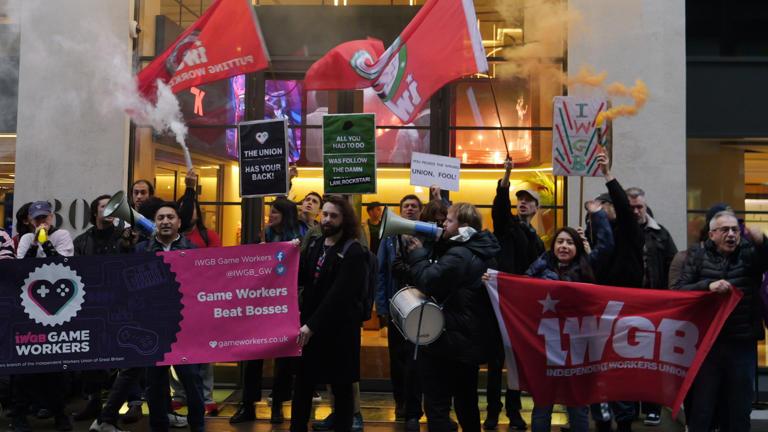
Unionization has gained a lot of traction in the video game industry in recent years, with numerous companies around the world seeing their workforce (or at least a part of it) form unions to more effectively fight against poor working conditions, harassment of workers, and crunch culture, among other things. Naturally, some parties aren't happy about this development. In an egregious example of union busting, Rockstar Games fired over 30 employees in the UK and Canada in October, all of whom were coincidentally either members of a union or in talks to form or join one. All were also part of the same trade union chat group on Discord. Rockstar claimed that all of the workers were fired for ”gross misconduct”. The Independent Workers' Union of Great Britain (IWGB) called it ”one of the most blatant and ruthless acts of union busting in the history of the games industry”.
Rockstar has also refused to meet with union representatives, and in November over 200 Rockstar employees delivered letters to management, demanding the reinstatement of the fired workers. Soon after that the dispute reached the UK Parliament, and in December even Prime Minister, Keir Starmer, commented on the issue, stating that ”every worker has the right to join a trade union, and we are determined to strengthen workers' rights and ensure they don't face unfair consequences for being part of a union." Representatives from Rockstar also met with members of Parliament, and apparently failed to provide compelling justifications for the firings, leading to further doubts about the veracity of the company's claims regarding the firings.
The Rest
Trans Developer Wins at the Anti-Woke 'Real Game Awards'
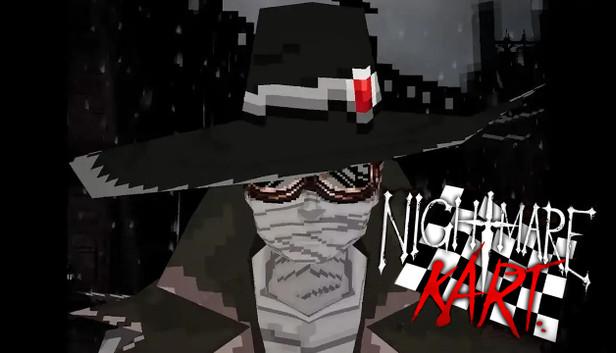
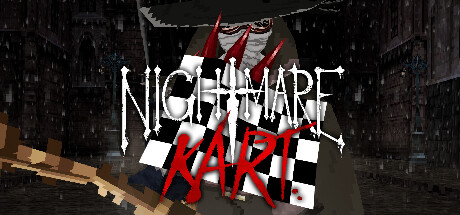
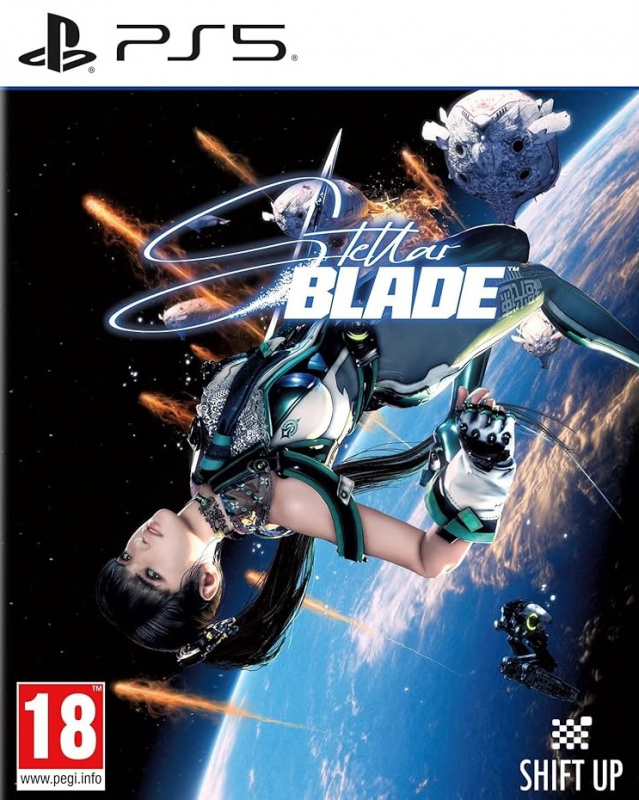
At the highly respected independent alternative to The Game Awards (can you spot the sarcasm), the Real Game Awards, where such prestigious awards as 'Best Jiggle Physics' (won by Stellar Blade) and 'Waifu of the Year' (won by Eve from Stellar Blade), gave the award for best racing game to Nightmare Kart, the game that originally began life as Bloodborne Kart before copyright issues forced a name change. Nothing out of the ordinary so far, but the developer of Nightmare Kart is a trans woman by the name of Lilith Walther, whose win in the dedicated anti-woke award show is just delightfully ironic. Especially because you had to pay to be able to vote on the awards. I don't really have anything deeper to say about this, I just thought it was funny.
Those were the winners and losers of 2025 in the video game industry, in my opinion of course. Obviously there's plenty more that happened during the year, but I can only include so many things in a single article. Still, is there something you think should have been included? What or who were the biggest winners or losers of 2025 in the video game industry in your opinion?
More Articles

Generative AI needs to die.


-"Trans Developer Wins at the Anti-Woke 'Real Game Awards' "
Oh, but you left out half of the story lol. Before doing that breakdown, personifying the "Real Game Awards" like that is rather suspect. Firstly, when this fallout transpired, I didn't see the Real Game Awards site nor its host, StutteringCraig, ever personify itself as anti-woke. Cringe as the title may be, it's obviously poking at Keighly's overly-commercialized TGA format: done after the year is over & it relies on paid voters instead of lucrative sponsorships. Secondly, it's not obvious there's an inherent contradiction to a minority developer winning gold from an anti-woke game award show.
As for the fallout, it's more like this:
-Bunlith (Lilith Walther) basically says what you did: "haha anti-woke RGA awarded me, a trans developer, Best Racer of the Year." She accepts it (drenched with sarcasm) and talks about celebrating with a sexually graphic description.
-StutteringCraig is congratulatory towards Nightmare Kart winning and doesn't care about the background noise, which is like an Uno Reverse Card.
-After previously accepting said award, Bunlith wants it to be rescinded and throws a Twitter temper tantrum.
-Hilarity ensues from this petulant behavior.
-Retreats to cope-streaming.
Ironically, Bunlith is a perfect Loser candidate the more I remember the fallout. I think she deleted her tweets on this topic, but there was a decent YT video that catalogued the major hits while also incorporating into a broader topic. I'm tired atm, so I'll try to post it later.
EDIT: Found the video I was referencing: https://www.youtube.com/watch?v=TNrZdnCkANk&t=755s
Alright, lad.

You denying that a show openly associaating with raz0rfist, smashjt and marty o'donnel isn't anti-woke. they were right wing pundits even before anyone used the word woke
Are you speaking about the show or StutteringCraig himself? B/c of the ones you mentioned, I see Smash JT listed as a "1337" supporter. If you're talking about other stuff he does, then okay? The issue there is that odd grey area of when guilt by association informs everything else Craig might create. There's also this weird disconnect between what Taneli's trying to mean by "anti-woke" versus reality.
Just play out the scenario:
-"Look at this anti-woke award show awarding a trans developer top prize!"
-The Anti-woke award showrunner himself: "Congrats on the win! Celebrate however you see fit, I guess."
-Spergfest ensues
Everything in Craig's response (both in his Tweet and on-air podcasting) looks like the quintessential liberal: you won based on craft, regardless of x/y identity. Being "anti-woke" in this context seems to just mean merit-based success, so there's no ironic contradiction to be found.

Of course they aren't going to personify themselves as anti-woke, I expect that they want to be taken at least somewhat seriously after all, but you don't exactly have to look very far into, for example, his X account to see exactly what his beliefs are.
I didn't really even mention any fallout, just that she won the award and that I thought it was funny considering the nature of the award show. I saw those tweets in screenshots, but her account doesn't exist apparently anymore so I can't say if she deleted them or not, but I can certainly still find at least that first post you mentioned on Bluesky. And if someone doesn't want their creation to be a part of a show, then I think they are perfectly within their right to ask for the nomination/award to be rescinded. It shouldn't even be that big of a deal, just give the award to the game that came second in that case.
Granted, his X account has a mix of cringe-inducing & "normie-con" (shall we say?) examples in its recent history, but there's still something peculiar about attaching that label to an awards show when everything about it just seems to be a neutral winner-take-all template. Here's a list of qualified games for these specific categories; now go vote for what you think was the best one.
-"I didn't really even mention any fallout, just that she won the award and that I thought it was funny considering the nature of the award show."
But what I'm pressing is that said fallout is inextricably linked based on both Bunlith's and your own narrative framing. You personify it as a "delightfully ironic" turn of events when the actual showrunner himself had already casually responded with congratulations instead of anger or trepidation. That's a fundamental miscalculation that caused Bunlith to have a meltdown.
-"And if someone doesn't want their creation to be a part of a show, then I think they are perfectly within their right to ask for the nomination/award to be rescinded."
Disagree. Now, granted, I can't help but be biased from enjoying the ensuing fallout, but there is something about accepting an award and then pirouetting back around b/c you didn't get the negative response you expected that simply doesn't register. All sales final - so to speak.
I know this is getting long-winded, and I'm not sure if you saw my response above or the YT video I'd linked in my OG comment, so I'll conclude with this. Even if we grant anti-woke as the perfect descriptor for the "Real Game Awards," you're now boxed into defining what that looks like in practice. What does it mean to have an anti-woke GOTY show then? Well, from this example:
-Pro: It's viewer-supported, so it's not aggressively inundated with ads and hype trailers more interested in selling you upcoming titles than in celebrating the past year.
-Pro: Given that a trans developer can win and be publicly congratulated by its showrunner, that's evidence to the Awards' stated goal of only wanting to celebrate great games - regardless of who crafted them.
-Con: The shock-jock immaturity of certain award categories, alongside some the resulting banter as well.
Even with the old-school-G4-flavored cringe, that sounds like a better deal than most shows.
The anti-woke label largely comes from the people involved in the show's creation and several of the ones presenting the categories (e.g Smash JT, ItsAGundam, Marty O'Donnell) at the show. It's also not exactly difficult to figure out why the journalist nominations were what they are, including the fact that calling the nominees in the "best" category journalists is quite the stretch. It's not just Graig's own postings on social media, the anti-woke stuff is all over the show in the subtext, and sometimes just in the plain text.
As for Bunlith accepting the award, it doesn't exactly read as a serious statement of gratitude, laced with sarcasm as it is.
I finally went ahead and caught the funny best/worst game journo split, so I can see your point to an extent. Speaking to the pitfalls of guilt by association I'd brought up previously, I'd welcome Marty O' Donnell as a presenter if that was an option. That may speak to my political leanings, but my core reasoning would come back to simply netting a guest who'd composed some of the most meaningful game soundtracks of my youth.
Like I said before, even if "anti-woke" fits, regardless of Craig's objections to that label, you're still running into a quagmire. If The Real Game Awards is anti-woke, what does that represent? Well, it seemingly casts a wide net across distinct polarities:
-shock-jock humor and shit-slinging that'll pepper in "Best Titties" & "Worst Journalist" between standard category awards
-willing to award any game as the best in its category (according to votes), regardless of anyone's minority status, as emphasized by the showrunner effectively telling a trans developer "congrats on the win"
I mean... if that's emblematic of anti-woke as a whole then that rehearsed line about caring only for 'games craftsmanship/quality over messages' holds up to scrutiny. Immature & obnoxious as the background noise is, that merit-based foundation seems better than, say, The Oscars' new illiberal diversity quotas for movies to qualify or amorphously-defined categories like 'Games for Impact' by my estimation.
-"As for Bunlith accepting the award, it doesn't exactly read as a serious statement of gratitude, laced with sarcasm as it is."
Even so, the only tangible reason for requesting it to be rescinded was after the blowback - which doesn't speak to any particular sincerity either. A better argument I saw/heard from Craig was essentially that it's not his award to rescind. You can say that's technically incorrect, but it speaks to the spirit of the competition itself: the majority of our voters said your kart racer was the best, therefore it was.

Thanks for the reminder about the Nightmare Kart game award, definitely one of the highlights of the year.


There has been tons of good AA games last few years. You just were not looking.
Nintendo being in the lost category while having the most successful console launch of all time is... a choice. I get the greed and success got them in arrogant territory again, but i would have put like Nintendo in the winning category and maybe Nintendo fans in the lost one.

A.i never cries they said
Now a.i must die