
Can Video Games Teach Morality? - News
by VGChartz Staff , posted on 17 October 2010 / 17,016 Views
Disclaimer: This article is the work of one writer, and does not necessarily reflect the views of gamrFeed or VGChartz.
Wikileaks recently released video showing aerial footage of the killing of 12 civilians who looked (mistakenly) like they were carrying weapons. Some have argued that the footage looks like a video game and that the soldiers sounded callous about killing people. The questions my article attempts to address: are video games moral? Can they teach morality?

Whole categories of philosophy are centered around defining morality. For the purposes of this article I’ll describe morality as: "a suite of interrelated other-regarding behaviors that cultivate and regulate complex interactions within social groups." - Marc Bekoff and Jessica Pierce in their book Wild Justice.
Let’s take video gaming’s most damning genre: games that put the player in the role of soldier. Most games of war involve a fail condition; like, for example, killing civilians or other types of immoral behavior. I think a moral imperative exists to design weapon systems that depersonalize the killing of enemy combatants in order to protect our professional soldiers from having to carry around the psychological damage of killing people.

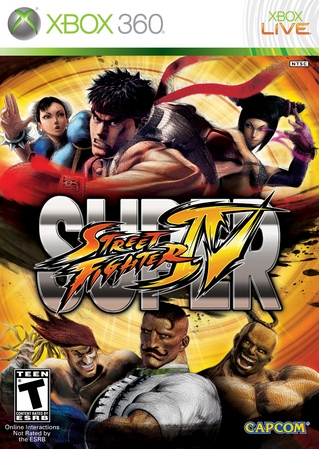
Teaching morality in today’s society can’t yet be the primary focus for a mainstream game developer. Video games cost millions of dollars to develop, in fact, in 2009 creating a multiplatform game cost somewhere between $18 - $28 million. Most video games offer avenues for parents to teach morality to their children. An example of this can be seen in the upcoming game Metal Gear Solid: Rising, where it will be possible to beat the game without killing anyone. Video Game Developers are people too. They usually want to make moral choices and their creative outlets reflect that. JRPGs generally focus on team effort above individual achievement. Games in the Street Fighter series have the player knock out an opponent rather than kill them. The defeated opponent is clearly breathing after each bout.
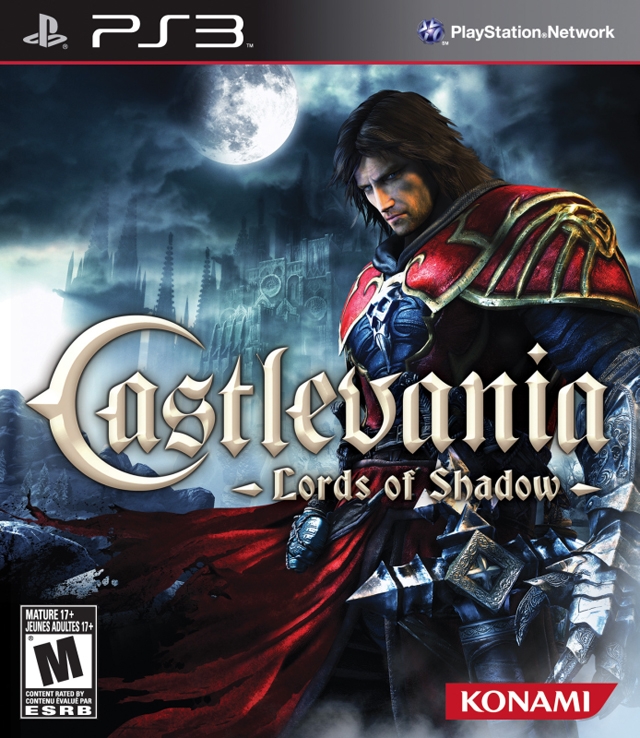
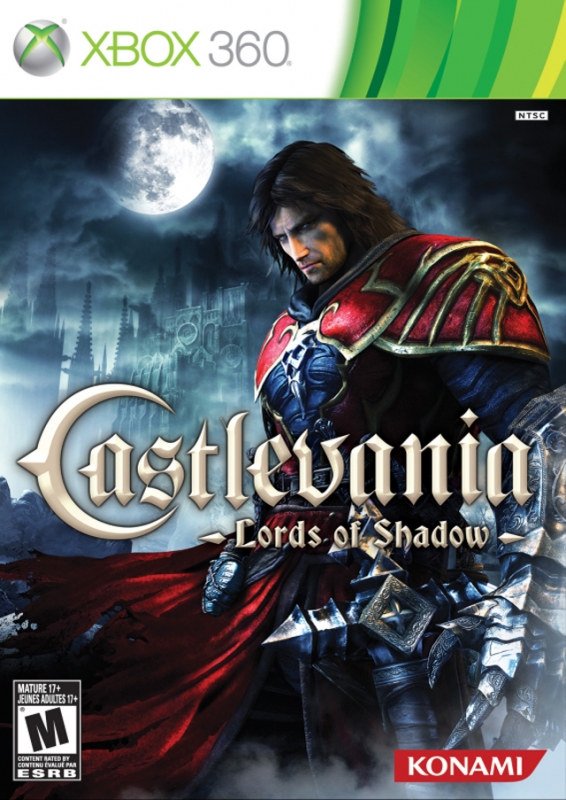
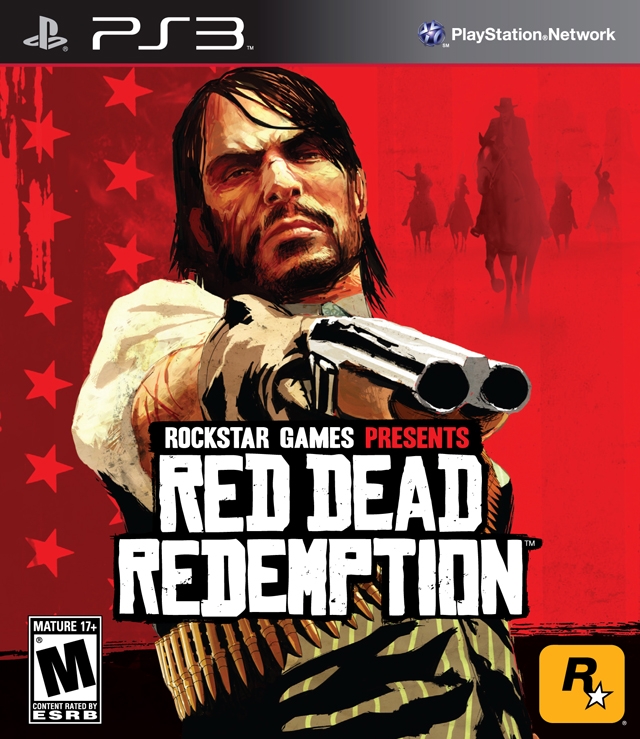
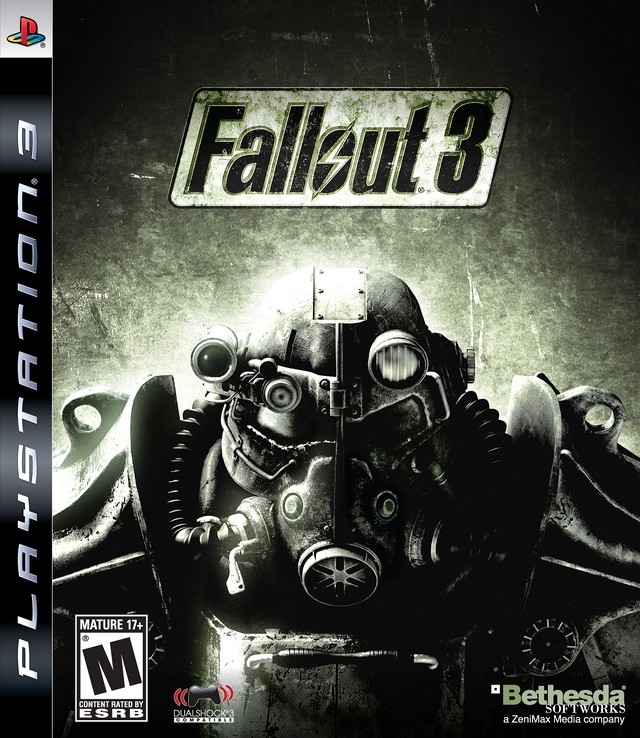
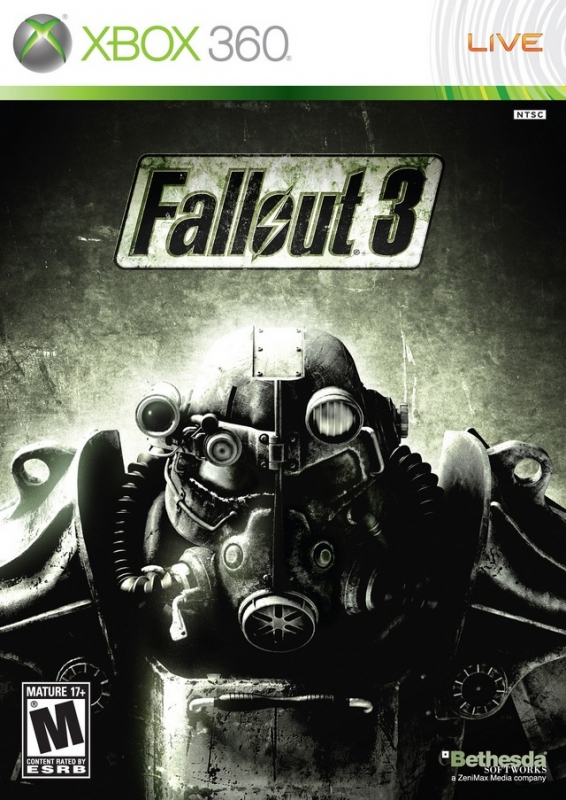
Some games today take you down both a morally correct path and a morally in-correct path: Fallout 3, Red Dead Redemption, for example. Red Dead Redemption also rewards players for assisting strangers, shooting bad guys for trying to hurt other people, and even has a system for dealing with players who painfully spur on their horses excessively. Red Dead also has a multiplayer element, which requires teamwork. Most games involve the hero undergoing a quest for someone else. Castlevania: Lords of Shadow has the hero protecting innocent civilians and ultimately saving the world. The list goes on and on.

Video games have been specifically created to bring social justice and peace making: Passage involves playing through the lifespan of a character. You live exactly three minutes long. The game gets you to think about how you’d like to spend your three minutes of life. Darfur is Dying, which has been mentioned by this author before, is about the ongoing crisis in Sudan. Superstruct: A supercomputer has determined that humans have only 23 years to live before extinction. Players work together to determine what happens. Can a solution be found? World Without Oil, Takes the player to a world with a severe oil shortage. How will the player cope? Sleep is Death in which two players create a story collaboratively. or Evoke in which various real-world missions are given to players who sign up.
Video games must be sold in an open market, which means that if someone wants to make money selling a video game, that game must coincide with the morals of that game’s culture. So, the majority of video games can’t be too extreme. In fact, players of games don’t really take in the violence of it. When Medal of Honor: Rising Sun ( a game about World War II in which the player is an American killing Japanese soldiers) was sold in Japan, critics said that a game where the Japanese public would be essentially killing their own grandfathers wouldn’t sell and would be morally reprehensible. The game actually sold really well. (130,000 units in Japan.) The Japanese players of these games told interviewers that it was just a really good game, that after a while, it’s lights on a screen on other lights on a screen.

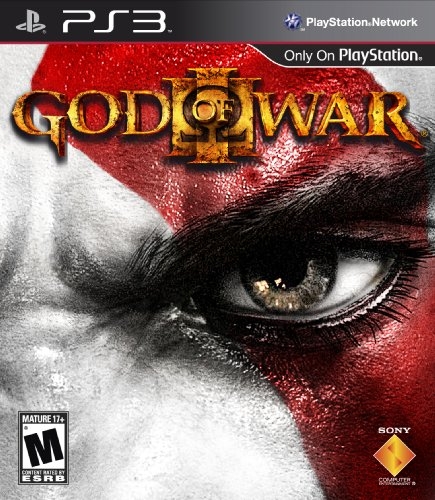
Some have argued that an increase in graphical resolution has increased the realism in a game, or increased the sophistication in which we tell it. God of War III contains a scene where you actually inhabit the eyes of a creature you the player is trying to kill. You the player can see what a terrifying presence you the game character really is. Grand Theft Auto 4 contains a scene where a person is bound and has obviously been beaten and the only way to continue the story is to shoot him. But, to me, the HD Generation has evolved -with- these new storytelling techniques. We know when we see visual fakery on screen, and we know we’re playing a game, and our younger audiences are better at detecting that "fakery" than adults are. Obviously, a caveat here: video game ratings are in place because developmental processes need to be considered, and the system we have works really well. I’m the foremost proponent of informed consent you’ll ever find.
Video games teach us that our actions have consequence. They teach us that answers are possible. They teach us the value of having a safe, accessible, and collaborative venue geared toward creativity in solving problems.
Some games have even been used to try to understand morality in humans. Consider the following thought-experiment, called The Prisoner’s Dilemma (formalized by Albert W. Tucker): two suspects arrested by the police. The police have insufficient evidence for a conviction, and, having separated the prisoners, visit each of them to offer the same deal. If one testifies for the prosecution against the other (defects) and the other remains silent (cooperates), the defector goes free and the silent accomplice receives the full 10-year sentence. If both remain silent, both prisoners are sentenced to only six months in jail for a minor charge. If each betrays the other, each receives a five-year sentence. Each prisoner must choose to betray the other or to remain silent. Each one is assured that the other would not know about the betrayal before the end of the investigation. How should the prisoners act?
If the game is played over and over again, each player can be punished for betrayal, ultimately leading rational players to establish equilibrium and cooperate.
An excellent video describing the Prisoner’s Dilemma (and why rational players ultimately cooperate) is here.

Video Gaming, as a format, certainly contains the requisite tools to teach almost anything. But those games aren’t mainstream and can be either difficult to find or not very fun (or, incredibly rare). I don’t think mainstream video games can teach morality themselves. Neither can poems or any other form of media. Ovid’s Metamorphosis involves some ludicrously violent imagery. To me, this imagery seems a lot like Quentin Tarantino movies. The violence is over-the-top on purpose. I think a reasonable adult can pick out certain examples of moral behavior from a mainstream entertainment and teach that way. But, I think the majority of people reading this article haven’t considered video games a reasonable avenue for examples of morality. My advice is to pay attention to the story and use examples from popular media to help shape your own moral education.
More Articles

I think that video games CAN teach/effect morality, but I don't believe that it does so in any bad way. When I beat GTA IV, after all of the cars that I stole and people that I killed, the major moral impact that this game had on me was not that stealing cars and killing is okay, but that losing cousin Roman was bad/sad.
i think offering moral dilemnas adds much more depth to a game sooner or later most games are not going to be about making good or bad decisions. but actually explore more moral grey area's and that's when things really get interesting.
@Killer: True, but still.

"Alphachris
14 hours ago
I really hate those moral systems...you have to play the bad story to get the Platinum Trophy in some games (InFamous, etc)."
I really liked InFamous, but the Platinum is out of reach for me because I don't like playing the evil protagonist. Lucky I'm not a Platinum whore. Gonna find it hard doing the black soul tendancy stuff in Demon's Souls too.

Good article and a very interesting topic.I certainly woudnt say that all games are bad,they can be interpreted in many ways.

pretty sure in Prisoner's Dilemma....the best option for both players is to defect because you never know what the other person is doing and they could be ratting you out so defection is your best option, however, that is for a single play game. If you have iterated play, say a set number of turns or an infinite number of turns then players are more likely to cooperate or to cooperate at first then start employing a tit-for-tat strategy.
"Some games today take you down both a morally correct path and a morally in-correct path"
Oblivion was my first game, where it was possible to slaughter civilians... Those Moral-Systems were only introduced to give ppl the opportunity to be bad... that was actually a downstep regarding morality...but with good marketing you can claim that ppl playing the bad guy are punished for it....
I really hate those moral systems...you have to play the bad story to get the Platinum Trophy in some games (InFamous, etc). I really hope Japanese Developers stop "westernizing" their games and stay true to their own way.
Look at GTA 4... you can run amok, getting chased by the police, kill 100 hundreds of officers and then get killed instead of getting arrested. You keep all your weapons and only lose some money... no real punishment at all. Or you can turn off autosave and exit the game afterwards without saving....

There was a lot to learn of morality in Tales of Symphonia.

In GTA IV scene where the player is bound and beat you can actually walk away and the story will continue saying you made the right choice. (if we're thinking of the same part of the game)
What is hilarious though is about 3 minutes later that character was running around and the game hadn't erased him from the engine yet and Roman was still talking about how i made the right choice and out of nowhere he ran in front of my car and i killed him by running him over.
Roman then completely changed speech and i got the "you're not right in the head. was it really worth it speech"

You misunderstood the bit about game theory. The rational player in the Prisoner's dilemma will always defect: http://www.youtube.com/user/JimBobJenkins#p/c/102B69CCA6049B6C/0/IotsMu1J8fA

Great references and a well thought out essay. Thought the opening that discusses the civilian killings and the image of the playful Jesus vs the Devil was a bit off-putting, though.
Well written. Made me think. Keep it up.

It can teach morality as any other form of medium like books, radio, tv.

huaxiong90: it still does it pretty light-heartedly. For example no blood at all.
I think a great example of a game teaching morality is Valkyria Chronicles, which touches on all the negative aspects of war.