Monster Hunter Stories 3: Twisted Reflection (PS5) - Review
by Evan Norris , posted on 12 April 2026 / 3,422 Views
The Monster Hunter Stories sub-series has been teetering on the edge of greatness for 10 years now. The first game, Monster Hunter Stories, which was exclusive to 3DS until a remaster arrived two years ago, broke away from the typical Monster Hunter stalking and crafting gameplay loop and created a rewarding, content-rich turn-based RPG experience. Its sequel, Monster Hunter Stories 2: Wings of Ruin, which debuted on PC and Switch in 2021 and landed on PS4 and Xbox One in the years that followed, refined the mechanics and expanded the scope of the original and came tantalizingly close to Game of the Year contention. The third game, Monster Hunter Stories 3: Twisted Reflection, which launched last month, aims to build upon all of that momentum.
Twisted Reflection takes place 200 years after a civil war split one kingdom into two rival nations: Azuria and Vermeil. You play as Azuria's crown prince, who also happens to be the captain of the Rangers, an elite squad of researchers and adventurers who study monster habitats and live in symbiosis with adopted monsters, or monsties. Both Azuria and Vermeil are dealing with a similar problem: the Crystal Encroachment, an environmental calamity gradually petrifying forests, destroying once flourishing ecosystems, and turning monsters feral. Vermeil, which has the worst of it, decides war with its northern neighbor is the only way out. In this time of chaos and loss, you, along with a royal representative from Vermeil, journey far north into forbidden ground in search of the legendary Sacrosanctum, which hopefully holds a solution to the Encroachment, as well as answers to a mystery two centuries in the making.
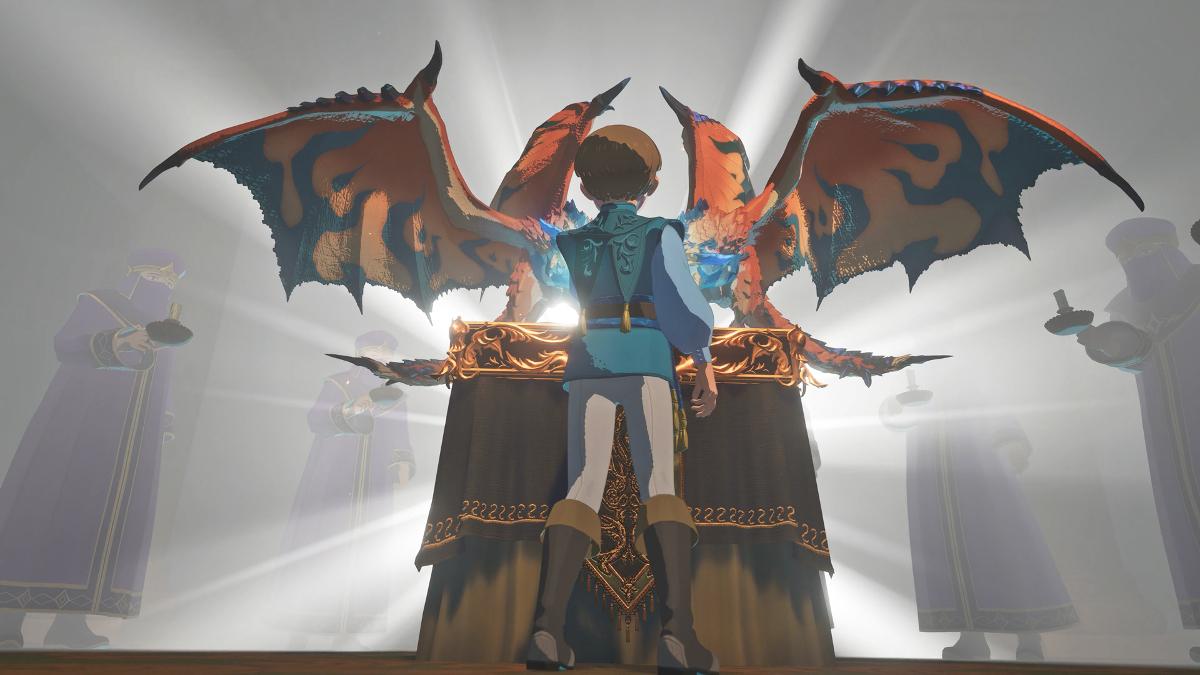
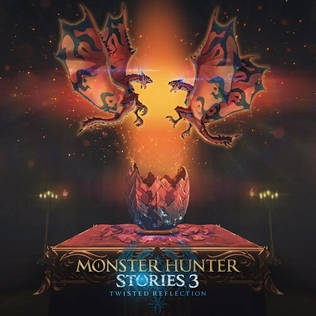
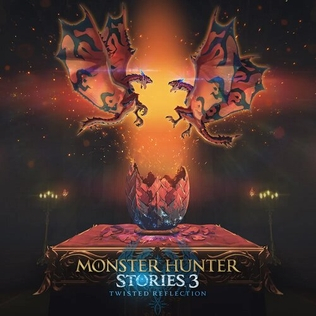
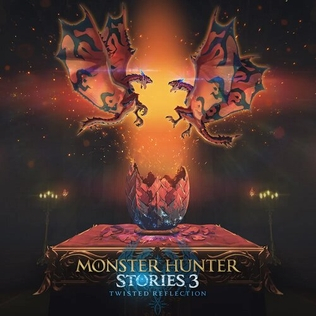
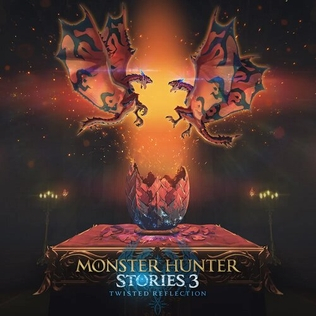
Weirdly, despite its name, the Monster Hunter Stories series has never been particularly adept at weaving a good story. That all changes with Twisted Reflection, which takes its narrative component more seriously, with excellent results. The story here is engaging, rousing, and moving. The geopolitical tension between Azuria and Vermeil is a big part of it, but not the only one. There's also plenty of personal drama. Indeed, the protagonist carries around a lot of baggage related to his past. As a child, his mother, the queen, brought back to the kingdom a crystalized egg, which cracked open to reveal twin Rathalos, an inauspicious sign. I won't reveal what happened afterward — it's explained via flashbacks later in the game — but suffice it to say that the prince's mother was branded the "Turncoat Queen", a mark of ignominy that affects how others see our hero.
Twisted Reflection doesn't only improve significantly upon the narrative piece; it also greatly enhances the overworld. The world here is richer, fuller, and more alive than ever. In Monster Hunter Stories and its sequel the open-air zones existed mostly as places to grind, collect monster eggs, and complete fetch quests, but in this third installment the open areas are places in which you can truly lose yourself. At times I delayed the main quest for hours while I poked around the world — something I never did in previous games. Now, there are some confined areas that are less open to exploration and focused more intently on funneling you toward your goal (I'm looking squarely at you, Muddled Marsh), but there are plenty of huge open-ended regions to make up for it.
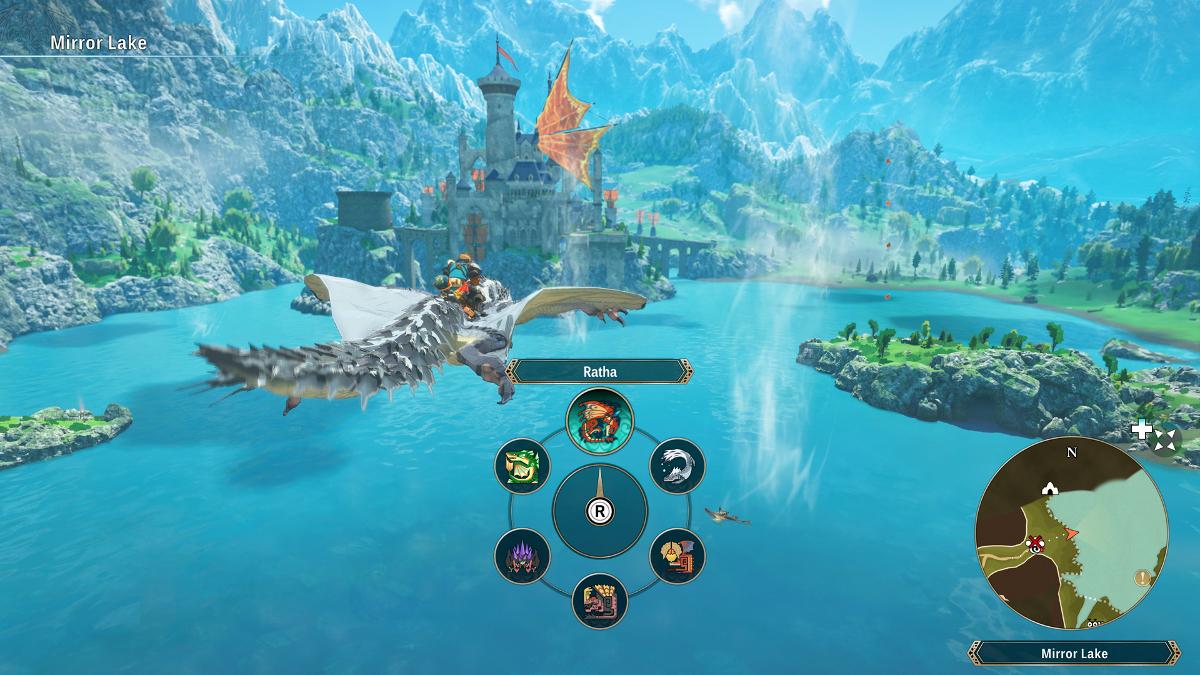
Perhaps the best part of the new and improved overworld is the inclusion of camps. Whenever you defeat a feral monster in one of the bigger maps, you'll erect a campsite on its former hunting grounds. From here you can cook meals, chat with your companions, manage your monsties, and, importantly, restore the habitat around you. Habit restoration is a big piece of the puzzle in Twisted Reflection; it's certainly the most addictive piece.
By hatching eggs and then returning the fully-grown adult monster into the wild, you can establish and/or increase its Ecosystem Rank in a designated area. This unlocks a few things: it will be possible to encounter that monster in the field (if it wasn't already); eggs from that monster type will be easier to obtain; monsters can hatch with higher-level genes; and, most interesting of all, hatched monsters may be born with elemental abilities unique to the region. For example, a Tobi-Kadachi, a lighting-element monster, born in Sunpetal Plains, a fire-element region, could take on both elements at birth, resulting in a very powerful and flexible ally. In the end, habitat restoration may be the game's single best contribution to the Monster Hunter Stories framework. It adds an element of strategy and incentivizes experimentation. And it creates the impression you're leaving your mark on the land, not simply moving through it on your way to the next goal.
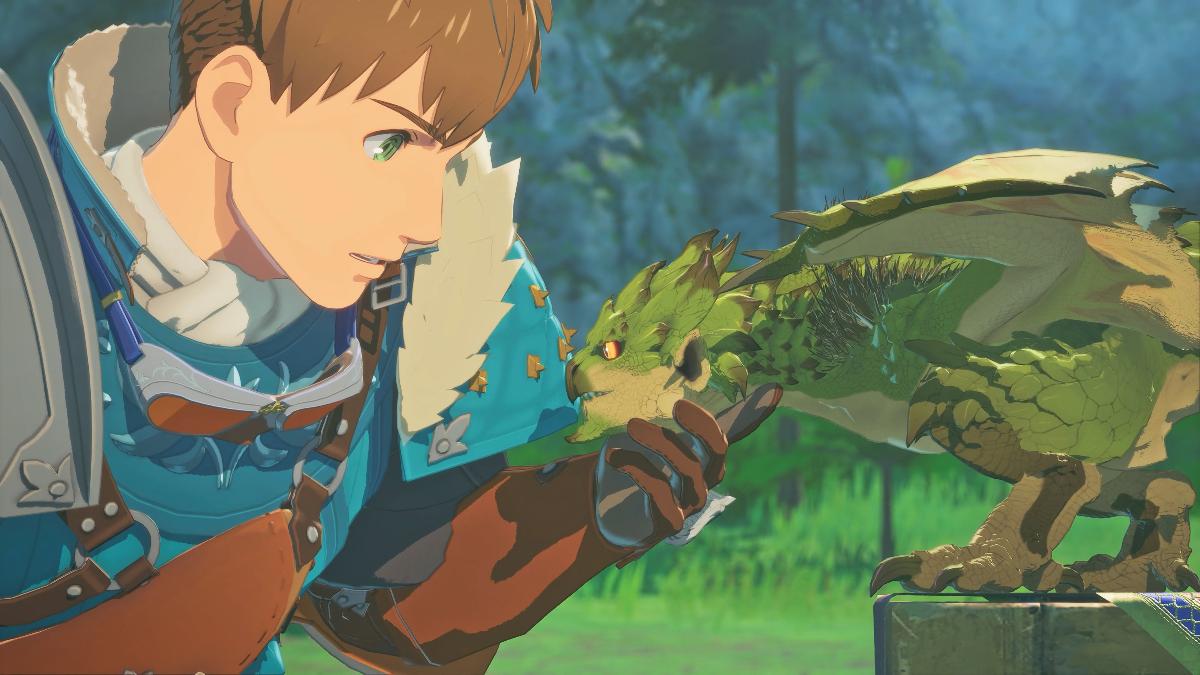
While exploration and habitat restoration are important in Twisted Reflection, they ultimately take a backseat to the main event: turn-based combat. This is yet another area where the development team at Capcom has made meaningful improvements, although more subtly. The classic Monster Hunter Stories rock-paper-scissors system — whereby speed beats power, power beats technical, and technical beats speed — remains intact, but it's been tweaked in a few important ways. For one, each character now has a stamina bar, which determines the special skills they can deploy. In previous games, you had to deplete the all-important kinship gauge to use a skill, which meant you could be efficient with skills or efficient at building your gauge, but not both. Now you can manage the two things independently.
For another, the game adds a new tactical element by way of the Wyvernsoul Gauge. This represents a beast's fighting spirit. If you reduce the gauge to zero, you will stagger the monster, cause it to lose Wyvernsoul stock, and send it into a fatigued state, which makes its attacks easier to dodge. And once it loses all Wyvernsoul stock, it will be toppled, opening it up to an explosive Synchro Rush. Thus, the game offers up several avenues for the player. Do you prioritize wearing down Wyvernsoul to weaken the monster's spirit? Do you focus on breaking off monster parts, to protect against a particularly vicious attack (and to collect crafting components)? Or do you attempt to deal as much damage as possible, and end the battle early? In earlier Stories games, it sometimes felt like you were fighting on auto-pilot. In Twisted Reflection, conversely, you must mix up your tactics and make more decisions in the heat of battle.
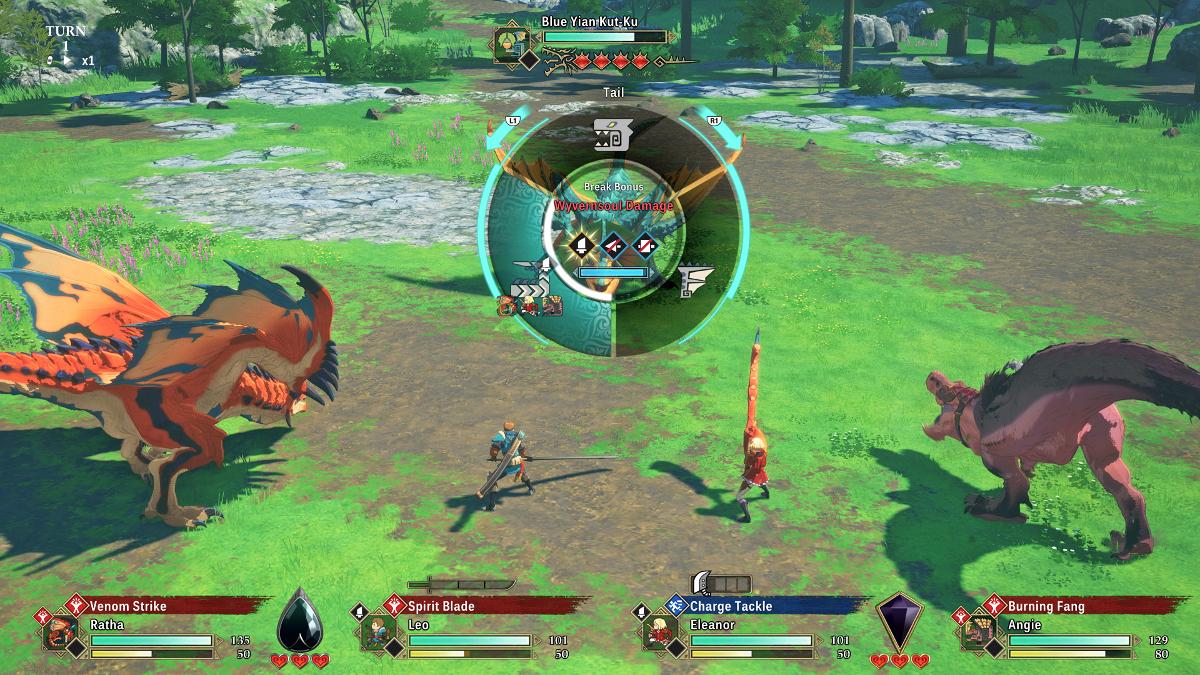
Finally, the game adds a new tactical weapon type, the long sword. This slashing-type weapon immediately became my favorite, despite a fairly steep learning curve. When the weapon is first drawn, you can charge the spirit gauge by winning head-to-head match-ups or by using specific skills. Once the gauge is charged, you can then activate a Stance Skill, which could trigger a counter-attack or follow-up attacks to each of your allies' offensive moves. If you get the timing right, you can do a ton of damage to your opponent and even negate damage to yourself. It's a great addition, although it comes at the expense of the sword & shield combo from previous games.
Overall, Twisted Reflection improves upon its predecessors when it comes to combat. If a small flaw remains, it's this: you can't fully control every member of your party. For the majority of the game, you'll enter each fight alongside another rider and their loyal monstie. While you can issue commands to your own monstie, you can't do the same with your other partners. Yes, you can set certain high-level strategies, e.g. prioritize the same monster, but you can't micromanage all their moves and synergies, meaning you don't have total control over the battlefield.
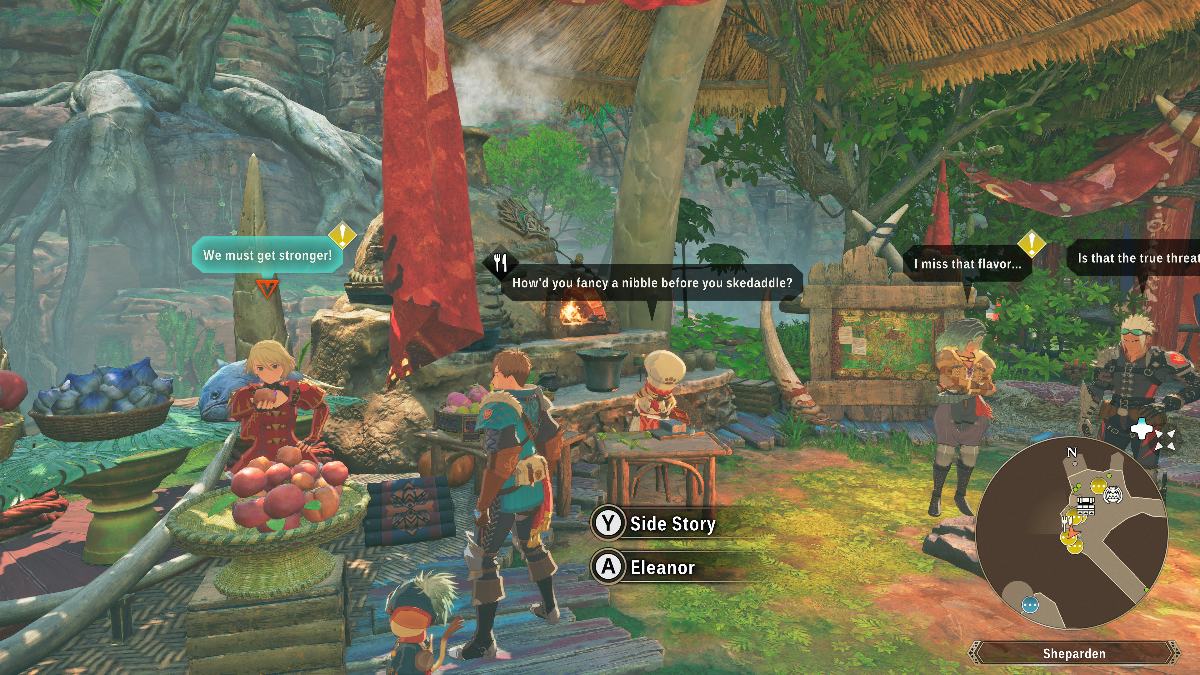
That said, you can influence your allies in other ways. At certain junctures in the campaign, you'll find the option to complete side stories with each of your friends. These optional escapades are separate from the main quest line, but they're absolutely worth doing. For starters, they add color and texture to the narrative. The side story with Ogden, for example, reveals he lost his son, who was married to another Ranger. What's more, the stories yield tangible rewards. After I completed the second part of Eleanor's story, she gained the ability to wield hammers in battle. And her Anjanath, Angie, developed new skills.
Thanks to all these side stories, in addition to hundreds of battles, multiple opportunities for habitat restoration, and the vastness of the game world, Twisted Reflection is a massive game. It should take you about 60 hours to complete the main quest, and well over 100 to do and see everything. One thing to note for long-time fans: while the main campaign is meatier than in previous titles, the traditional post-game experience is absent, which is a little disappointing. For those looking for an additional challenge, there's hope on the horizon. Capcom has promised a free update this summer featuring Royal Monsters; extremely powerful beasts that require player characters of level 90 or above.
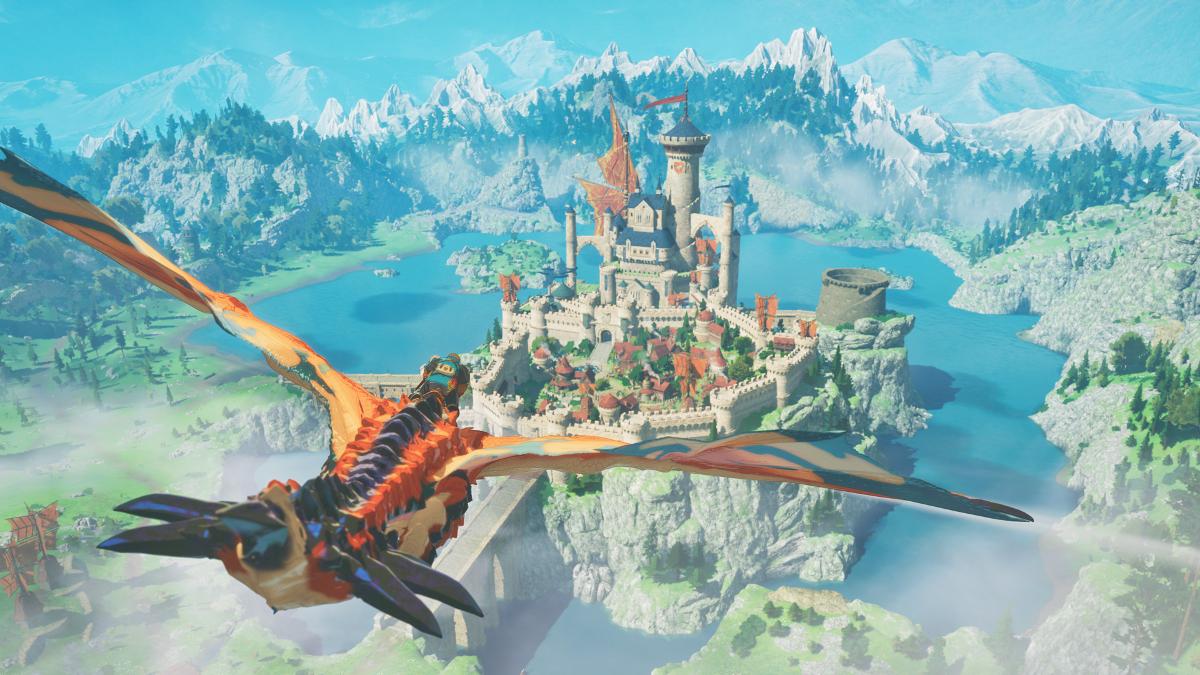
The developer doesn't need to lift a finger, though, when it comes to graphics and sound. This is, by far, the best-looking, best-sounding Monster Hunter Stories game yet. It's less cartoony than previous entries, although far from photo-realistic. It leans on cel-shaded, stylized realism, which works incredibly well with the subject matter. And it's only enhanced by jaw-dropping, balletic combat animations, immersive ambient sound, and exceptional, emotional voice performances.
With Twisted Reflection, Monster Hunter Stories finally gets over the hump. Thanks to significant improvements in storytelling, world design, combat, and visuals, it's the first genuinely great game in the sub-series. It's so good, in fact, that it can go toe-to-toe with the best installments of the mainline Monster Hunter series. It will be interesting to see where Capcom takes Stories, and the franchise at large, from here.
VGChartz Verdict


8.5
Great
This review is based on a digital copy of Monster Hunter Stories 3: Twisted Reflection for the PS5, provided by the publisher.