


Then and Now: The Best and Worst Game Remakes - News
by Jake Weston , posted on 26 July 2011 / 20,128 Views
Remakes and HD re-releases are all the rage these days, with Metal Gear Solid, ICO, Shadow of the Colossus, and Halo all receiving HD makeovers later this year. Of course, before the current onslaught of HD re-releases, many games were subject to full-fledged remakes, a trend that continues to this day with last year's remake of GoldenEye for the Wii, and the recent release of The Legend of Zelda: Ocarina of Time 3D. We speculate that remakes will become even more prevalent as the years go by, so we at gamrFeed have gathered together the most prevalent remakes of the last few years, examining why the did and didn't work, so that future developers can possibly know how to approach remakes in the future.
The Best:

2007 remake of the original Tomb Raider, developed by Crystal Dynamics, to celebrate the game's 10th anniversary. This was Crystal Dynamic's second Tomb Raider game, following their successful reboot of the franchise with Tomb Raider: Legends.
Why it worked: Tomb Raider was a great and innovative game when it came out back for the PSOne, but like many games from that era, it hasn't aged all that well, graphic or gameplay wise. Crystal Dynamics updated the game so that it stayed true to the feel of the original game, while bringing it up to graphical and gameplay standards of the modern games. It also updated the canon of the original game, bringing it in line with the rest of Crystal Dynamic's Tomb Raider games.

For the GameCube remake of the original Resident Evil, series creator Shinji Mikami returned to the director's chair for the first time since the original game. Updated visuals and story separates this from the blocky and cheesy mess of the original PSOne title.
Why it worked: The first Resident Evil is easily the most influential game in the survival horror genre (we devoted an entire month to it, so it must be). However, it also suffered from the cheesiest voice acting the world as ever known (then again, maybe not). Since this was pretty inconsistent with the rest of the Resident Evil games, which took themselves relatively seriously, Mikami brought it upon himself to bring Resident Evil up to par, not only fixing the voice work, but creating one of the most legitimately scary games of all time, and graphics that still don't look aged.
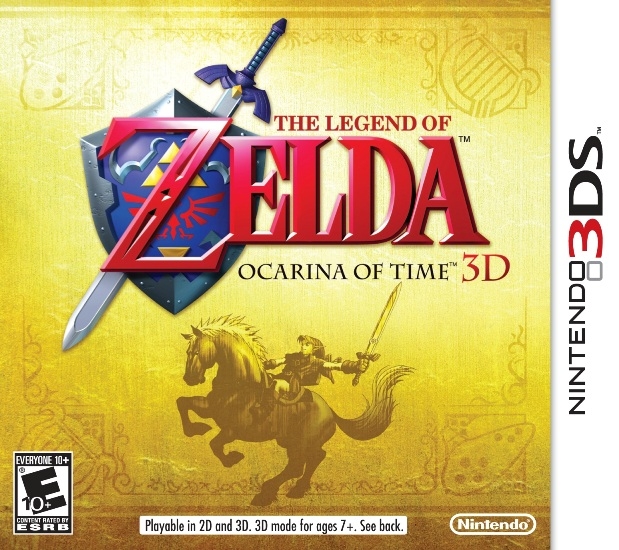
The Legend of Zelda: Ocarina of Time 3D

Arguably the most anticipated game for the 3DS when it was first announced, Ocarina of Time 3D was released to universal praise when it released earlier this year. The graphics, sound and interface were updated for 3DS hardware, while still keeping that classic gameplay.
Why it worked: It's hard to improve upon perfection, so Ocarina of Time 3D didn't change much besides the graphical overhaul and 3D capabilities. Interface improvements aside, it's still very much the same game we all played 13 years ago. And that's a good thing, especially for those who may have not played the original masterpiece.
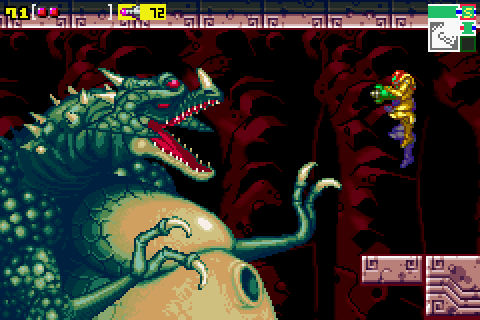
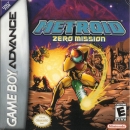
The original Metroid for the NES is one of the games that made Nintendo the juggernaut it is today. Of course, many players today find it's non-linear nature and unforgiving difficulty kinda hard to get into, so in 2004 Nintendo did fans a solid by remaking the game for Game Boy Advance.
Why it worked: Super Metroid is widely considered a masterpiece, so any similarities to the title are extremely welcome. Zero Mission decides to go this route, with pretty much everything in the remake drawing from the SNES title. The game may have been a little too linear for some, but what resulted was the perfect handheld Metroid experience.

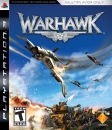
The original Warhawk for PSOne was a fun little action title, but nothing special. It wasn't until 2007 when LightBox interactive took the game's fictional universe and developed it into a multiplayer-only title for the PS3 that the series really took flight.
Why it worked: Have you played Warhawk ? It's still one of the best multiplayer experiences around. It's core gameplay may be a copy of the successful Battlefield formula, but its infectious art-style, well designed maps and near-perfect flight controls make this game much more memorable than the one that inspired it.
The Worst:
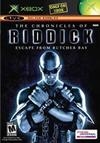
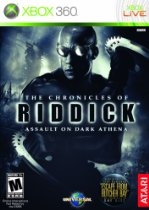
The Chronicles of Riddick: Escape From Butcher Bay

Chronicles of Riddick: Escape from Butcher Bay for the original Xbox was an amazing, visceral first-person stealth game. For the next generation sequel, Assault on Dark Athena, developers Starbreeze Studios also included a remake of Butcher Bay, featuring updated an engine, graphics and sound.
Why it didn't work: Escape from Butcher Bay was remade with Dark Athena's engine, and it clearly wasn't meant to be played that way. Everything in the game was far too dark, even with a flashlight, and enemies received an AI-overhaul that made them nigh-omniscient, which is problematic for a stealth game.
Metal Gear Solid: The Twin Snakes

Metal Gear Solid is considered one of the greatest games of all time, and when it was announced that the game would be remade for the GameCube with improved graphics, Silicon Knights (of Eternal Darkness fame) developing, and series creator Hideo Kojima directing, fans thought it was too good to be true.
Why it didn't work: And it sort of was. While the improved graphics were appreciated, the game added features seen from Metal Gear Solid 2, such as hanging from ledges, first-person aiming, and hiding in lockers, but the original maps weren't redesigned to accomadate for the new features, making for a game that was just laughably easy, and straight up breaking some boss fights.
Silent Hill: Shattered Memories

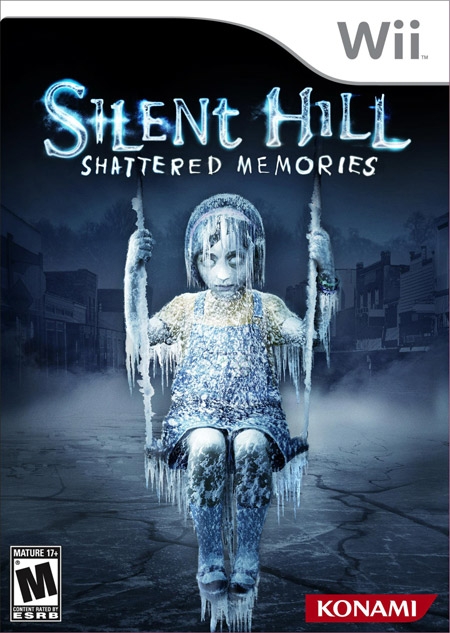
More of a "re-imagining" if you will, Silent Hill: Shattered Memories takes the characters and scenario of the original Silent Hill and updates them for a modern-gaming audience, as well as introducing a somewhat-unique psychological profiling system, where the game subtely changed certain aspects depending on your actions.
Why it didn't work: The main thing about Silent Hill is the fear of the unknown, and not knowing what lies around the corner. In Shattered Memories, monsters only appear in scripted moments, taking almost all of the fear out of the experience. Plus, the psychological profiling system only changed certain parts of the game aesthetically, meaning it was pretty much the same experience for everyone (until they got to the admittedly well done different endings).

In 2004, Valve released Half-Life 2, and their Source engine, upon the world. Featuring revolutionary physics and graphic capabilities, fans wondered what could have been if the original Half-Life had used this engine. And Valve answered their questions, when they released Half-Life: Source.
Why it didn't work: It didn't really change anything. Sure, the new physics stuff was nice, but overall it was still the same game, same graphics, textures, and everything. While certainly not a bad game by any means, fans were unhappy with the apparent laziness that went into making the port. However, a fan remake of the original, titled Black Mesa, is being made completely from the ground up using the Source engine. There's no release date yet, but you can check it out here.

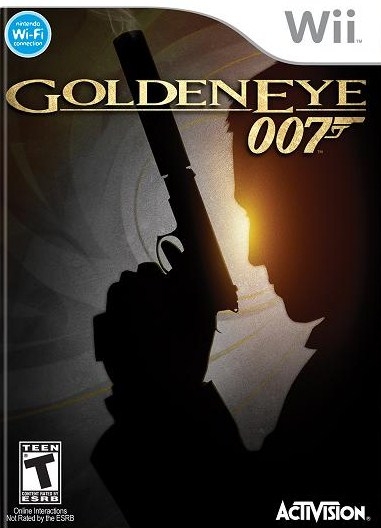
GoldenEye 007 for the N64 is widely considered one of the most influential games of all time, pioneering FPS gaming for consoles and paving the way for splitscreen multiplayer. Last year, Activision tried to capitilize on that nostalgia by remaking GoldenEye for the Wii, starring current Bond Daniel Craig.
Why it didn't work: I actually thought it was a cool idea updating old Bond stories with Daniel Craig's interpretation of the character. I'd love to see him in game or film renditions of Live and Let Die or Dr. No. However, the problem with the new GoldenEye was it didn't feel like a Bond game; it felt like a Call of Duty game slapped on the Bond license. Plus, things like the graphics, framerate and AI weren't all that great, but I guess we can looked forward to that being fixed when GoldenEye 007: Reloaded hits later this year.
More Articles

This Jake Watson guy should be fired, I've never seen him write something with an actual argument in it, and it shows, as members keep expressing their discontent at his ridiculous articles.
Silent Hill was indeed a re-imagineing and it was great for the direction it took. The MGS remake was loved by all at the time it was released and still is amazing (and probably better than MGS4) today. GoldenEye is much, much better than anybody expected and deserves a spot in the best remakes list. Half-Life: Source wasn't even a remake, just a port to the Source engine, and yes, the fact that it was just a port was disappointing but that still doesn't make it a remake.
tldr: You don't know what a remake is, and you don't know what makes a good/bad game. In fact, you probably don't know anything about gaming whatsoever.

To say I strongly disagree with this article would be an understatement.
First of all, I agree with his evaluations of Zelda and Resident Evil while I cannot comment on Metroid or Half-Life, as I haven't played those games.
Tomb Raider Anniversary is not bad but hardly a great game when it was released, unlike the original one.
Warhawk is a completely different game with little similarity with the original. If to be evaluated as a remake, then it is a complete failure.
The Chronicles of Riddick is pretty good. Perhaps the author is thinking of the lackluster sequel. The remake itself works nicely and I have little difficult to play the stealth segments.
Twin Snakes is another great game as it plays much better than the original. As other posters already noticed, the developers add some features to increase difficulty. By the way, the author have a strange concept of difficulty. I like a good challenge with good level design whereas a game where difficulty is increased by poor controls is just bad.
Silent Hill: Shattered Memories is the best horror game I've played. It is a creepy game that doesn't uses scares to keep the players on the edge, whereas avoid the combat gameplay that makes most supernatural games so mundane.
Finally, Goldeneye Wii is nothing like Call of Duty. It is true that the online multiplayer part borrows a lot from Call of Duty, but this mode wasn't present in the original Goldeneye. Unlike CoD and similar to GE64, the remake includes additional objectives at higher difficulty modes, option to no regenerating health, and split screen multiplayer (not available in any Wii CoD). Also, there are many sections in the single player campaign that ask for stealth in order to be finished -- very unlike COD. Finally, the author complains about the AI and graphics. Obviously, both are much better in the remake but, although I agree regarding the AI, I would like to point out he's being unfair regarding the graphics. Goldeneye Wii is a pretty good looking Wii game.

I'm not sure if Warhawk can be considered a remake. It's almost totally different from the original.
you sir are correct. this was not a remake

Have I read that MGS and Silent Hill are not good remakes? My gosh, can't believe someone said that, both were excellent. And Goldeneye wasn't a remake, it was a re-imagining!
MGS was mediocre mainly because of the difficulty. Sure the shiny graphics were nice, but the implementation of the MGS2 type gameplay made the game laughable and that is where the problem lies. Plus some scenes were just over the top (but that's more of a personal preference). Cannot say much of Golden Eye since I only played it briefly.

Shattered Memories a bad remake? Are you serious?

Big lol at this article. Twin Snakes, Goldeneye Wii; really?

I don't find this article very convincing. Especially after reading how everyone disagrees with it. I haven't played a lot of these games, but the description of Goldeneye 007 doesn't seem accurate at all. it is very much in the vein on the movie, and not very much like Call of Duty. A more accurate statement is that it is an advancement of the previous EA Bond games.

For real??? GE and MGS bad remakes. GE's framerate wasnt that bad, ive seen MUCH worse. I played the campaign and it lagged like twice and graphics?? Its a freaking Wii, its not gonna look like Crysis. But it did feel a little like COD especially online, thats not a bad thing to me.
MGS to easy?? stop crying and increase the difficulty.

I respectfully disagree with the list of worst remakes and agree with the best remakes list.
I think Twin Snakes was and still is awesome. I think they screwed up the clip scenes myself, they seem really over the top IMO. That aside the remake is next to flawness IMO.

Well must be a first at vgchartz since all agreeing on this one... it's a bad article

I liked MGS and 007. This guy's taste in games sucks. I'm sick of these stupid lists on VGC; they're very annoying and aren't news.

I liked MGS Twine Snakes and GoldenEye. Both are fun games which better graphics than their predecessors. I'm not sure I understand why fans disappointment with the graphics of Half Life Source makes it one of the worst remakes in gaming.
I doubt there is a single games that some fans aren't disappointed with something. You can't please everyone, especially fickle internet fanboys.

slow news day again? Let's make another list. Yeah, there aint enough of those around.
This is just the author's opinion...but I totally disagree with this list. Twin Snakes was a very good remake.....as is Goldeneye 007. Geez...

"...and series creator Hideo Kojima directing..."
Hideo Kojima did produce the game, but he didn't direct it.
Twin snake and Silent Hill bad remakes???? why i keep coming here?, why here not more pages that keep a databased of sales and have brain?! gosh

Twin Snakes was great, It did so many things right.


GE007 was a superb remake; the stealth aspect was nothing like COD's stealth sections, and none of it was squad-based like COD mostly is. Dserves to be under the good column a lot more than Metroid or Warhawk.

Twin snakes a bad remake?? LOL this must be a joke XD and shattered Memories and Goldeneye are a re-imagining not a remake. and both are great!!
MGS twin snakes was a remake that wasnt good or didnt work???
wow...this site needs to get better writers...
dont even know why i even bother reading the crap that this site spits out.

You had me until... the entire "Worst Remakes" list.
Shattered Memories was great, and very different from the original game.
GoldenEye on Wii was a damn good game.
Escape from Butcher's Bay wasn't too different from the original which was awesome.
I understand it's worst remakes, but when I see good games in a "worst" list my brain shuts down.
No mention of Bionic Commando Rearmed... Why am I not surprised...
I'm getting tired of all the remakes myself...
only ones I appreceiate are the DQ ones.... cause that means they were translate..... :-/
Ocarina of Time 3D wasn't even a remake as much as it was an updated port.
Also, Twin Snakes and GoldenEye were fantastic, despite it's flaws.
While Resident Evil is deserving of the title as one of the best, I could think of quite a few more games that are more deserving as the top five than the rest of the list.
Dracula X Chronicles. The remake is better than the already amazing Rondo of Blood. It balances the game out so there aren't some parts that are too easy and some parts too hard. A few areas were slightly altered to give a better level design. Amazing game and must own if you even remotely like the Castlevania series. SotN is an unlockable which is also nice, but even if it wasn't, DXC is amazing.
Final Fantasy on Final Fantasy Origins. One of my favorite FF games and while I do like the NES version best because no load times and has nice graphics even to this day, the PSX version is the next best over every other version released. The game stays true to the NES version for the most part, with the only main differences unlimited inventory and 10,000GP for obtaining the extremely easily obtainable high score in the 1-15 game. Graphics are obviously the first major change and the game looks amazing, but the best change is that the hit % is and magic damage is now more consistent than before. It's a really nice change not hitting 20 here and then 50 here, etc, etc, etc. The GBA version doesn't quite cut it even with the same graphics, no load times, and extra content, due to the fact that the game is far easier and magic is now in a pool(MP) rather than the original level based spells.
Star Ocean First Departure. Best remake ever in my opinion. The first Star Ocean game was decent, but it's pretty overrated. The one thing that held the game back from being as good as it could have been is the battle system. Being that I played Second Story first, it's more enjoyable moving around, attacking enemies from the back, etc. On the SNES Star Ocean, you just mash either attack or your special attack repeatedly as you can't move around, etc. So in essence you're far more limited on the SNES version than you are on the PSP version. I like the SNES version, but the PSP version blows it out of the water.
Dragon Warrior 3 SNES or GBC. Your choice. Dragon Warrior 3 not only got one amazing remake, but two. First off. Dragon Quest 3 for the Super Famicom. Graphics don't really make a game, but when it's a remake of an already amazing game, graphics are one of the main reasons why you'll be picking it up. Dragon Quest 3 has graphics that rival even that of Final Fantasy 6. The game itself is also exactly like Dragon Warrior 3 except for a few small differences like mini medals, parchisi locations, and booklets/seeds to change your character states/level rate. Now the GBC version. It doesn't look as good as the SNES version obviously, but it's one of the best looking GBC games. All enemies still have attack animations, increased exp/gp balances it better, everything from the SNES version, and an extra dungeon you can gain access to and make your way through by collecting monster medals.

MGS TTS the worst? It is vastly superior than the PS1version. The only thing wrong with it is the stupid Nintendo tie ins and exclusion on the Alert Phase music.the only way you can say its better is if you are throwing nostalgia into the mix. Its MGS1 with MGS2 gameplay. COME ON.
But how can anyone take you seriously when you call Goldeneye 007 a remake when its a re-imaging. Nothing in that game resembles the N64 version. Even REmake is boarder line re image but kept most of the original in it.

Metal Gear Solid is awesome
Beyond HL Source, those were all great remakes. = S
ONLINE STORE :
====( etradinglife.com )=====
The website wholesale for many kinds of fashion shoes, like the nike,jordan,prada,****, also including the jeans,shirts,bags,hat and the decorations. All the products are free shipping, and the the price is competitive, and also can accept the paypal payment.,after the payment, can ship within short time.
free shipping
competitive price
any size available
accept the paypal
jordan shoes $32
nike shox $32
Christan Audigier bikini $23
Ed Hardy Bikini $23
Smful short_t-shirt_woman $15
ed hardy short_tank_woman $16
Sandal $32
christian louboutin $80
Sunglass $15
COACH_Necklace $27
handbag $33
AF tank woman $17
puma slipper woman $30
====( etradinglife.com )=====

Basically: What Chrizum said
Basically: What Chrizum said

Are you trolling us Jake Weston? Seriously...are you? This is so...wrong.

Has this guy played any of the remakes. MGS, Silent hill and Goldeneye 007 were all great remakes. Easily one of the best. And he put it as the worst remakes. Makes no sense

Golden Eye felt like 007 to me... i played the entire game and not ones was i thinking of Call of Duty.

Alot of those Worse remakes were great games that may have just fallen short of being as memorable as the original. Bad list

TOMB RAIDER FOREVER!!!! And the new Lara is supposed to be even more the best heroine ever!
I have to disagree with tomb raider. Maybe it's because I was a big fan of the original but the remake was poorly done in my opinion. The graphics were great but the mechanics, and controls made the game so frustrating to play.
Mod edit....spam account....

The over the top action stunts became quite annoying for me in Twin Snakes.

i've had a huge argument that people might still remember around here about Twin Snakes, and why its not as good as the original and the reasons mentioned here isn't what made it crappy, like mentioned in the comments below its actually the over the top cutscenes , which didn't fit at all, and sometimes didn't make any sense at all , plus they changed the memorable original soundtrack with a very generic drum and bass.

How can you not consider Pokemon HeartGold/SoulSilver one of "the most prevalent remakes of the last few years", :O?

@ ghost_of_fazz
Yes, he is. And he's right.
Kojima himself said that MGS TS gamecube sucked, the juice is bad bad, change history, many things, etc etc
Silent Hill remake for Wii is another shit, because it resembles play1, NOTHING!
warhawk incredible multi game, I have like Starhawk, is not a remake but with the same name:)