


This Week in Gaming Sales History (August 15 to 21) - News
by William D'Angelo , posted on 18 August 2010 / 4,056 Views
To understand what will be discussed I will like to first take a minute to explain how the article is set up. For each week a look will be taken of past sales and trends during the same week in a past year. It will start with an overview of what was available at the time and how far away major releases are to help put the date into perspective. Followed by what was selling during that time and by how much. Graphs will be used to help aid in comparisons between now and then will be the last part. Since sales for the week won’t be in until the next week and sales for the previous week are still coming in, we will have to compare it to sales from 2 weeks ago, 7 August 2010.
Overview - This week we are taking a look at the transition from the last generation to this generation, the week of 19 August 2006. The Xbox 360 was released 9 month prior to this date and the PlayStation 3 and Wii were 3 months away. The last remaining Xbox consoles on store shelves were being sold and the GameCube was also on its way out, both being outsold by the Gameboy Advance. New Super Mario Bros. (DS) was the best selling game and had only been out for three and a half months.
Sales on 19 August 2006

Hardware – When it comes to home consoles the PlayStation 2 lead over its competitors, selling 181,000 for the week. It had recently passed 100 million in sales to pass the PlayStation 1 to become the best selling home console of all time. The other consoles from last generation, the GameCube and Xbox, were barely making any impact. The GameCube only selling 14,000 during the week and was outsold by the PS2 by 12 to 1.The Xbox at this point was discontinued and very few remained on store shelves. It only just managed to sell 4,000; however its predecessor the Xbox 360 was starting to pick up in sales after a slow start. It had only crossed the 4 million mark a couple of weeks prior to this date. The Xbox 360 being first to the market would give it an early lead over its competitors.
When it comes to handhelds the DS reigned supreme outselling every other system out at that time. The PSP was behind the DS holding 40% of the handheld market share at that time. The DS sold 263,000 for the week and has reached a total of 23 million after less than 2 years on the market. The PSP sold 125,000 for the week reaching 15 million sold. The Gameboy Advance even after one year and 9 months of the release of the DS and PSP was still alive and selling very well. It was only 10,000 behind the Xbox 360. It had managed to sell 74 million to date and would go on to sell 81 million.

Software – Home consoles saw the PlayStation 2 selling more than double of the rest combined, 1 million compared to 409,000. The Xbox 360 had only a few hits before the holiday season in 2006 and this showed as it only sold 300,000 games with an attach rate of only three compared to over 8 today. Dead Rising accounted for 1/3 of its software. The GameCube had only managed 83,000 games sold with LEGO Star Wars: The Video Game as the top game with only 9,000 sold. The Xbox only managed to sell 26,000 games with the majority going to Halo 2.
Handhelds at the time had the DS in the lead, outselling its competitor, the PSP, by nearly 4 to 1. The DS outsold the PS2 by 100,000 making it the top choice for games sold. It had an attach rate of fewer than three but it would grow to over four. The PSP selling 332,000 on the week had an attach rate of fewer than two at that time and it would only grow to two and a half. The Gameboy Advance sold 61,000 games equal to the number of systems sold.
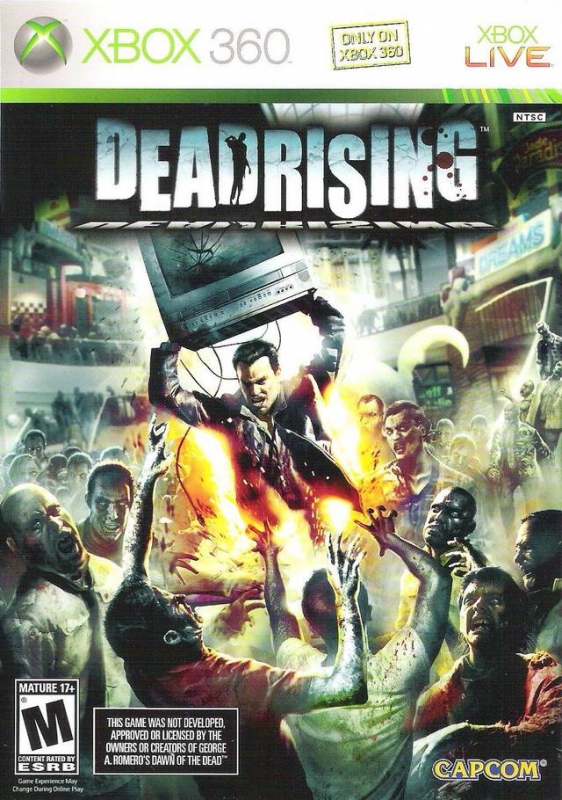
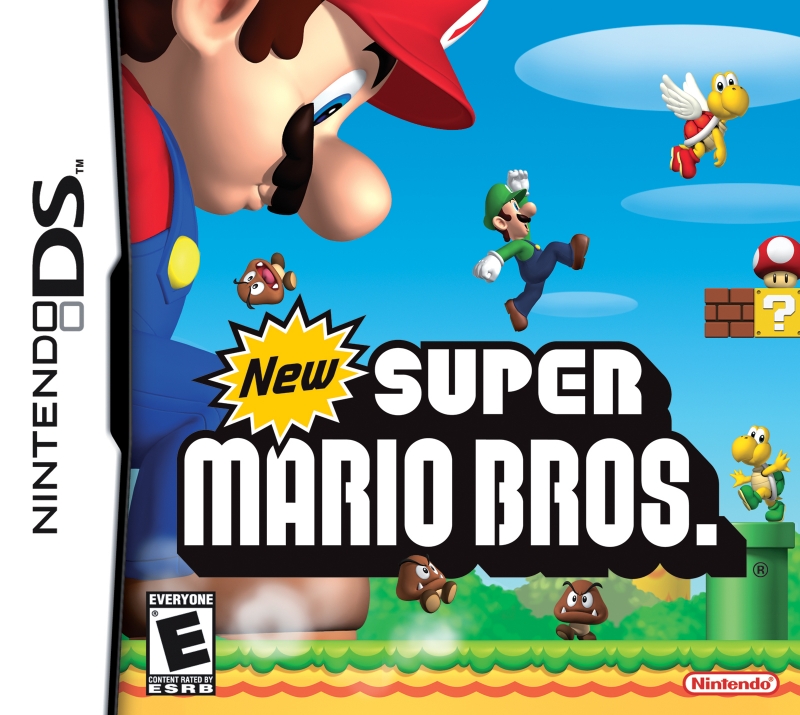
When it comes to individual games, Nintendo dominated the top 10 with 7 games being for the DS. Every game in the top 10 sold at least 50,000 copies, while the top 2 both sold over 100,000. The top selling game was in its fourteenth week on the market was New Super Mario Bros. (DS) with sales of 213,000 and total sales of 5 million to date. It would go on to sell over 20 million copies. Dirge of Cerberus: Final Fantasy VII (PS2) was the second best selling game with 176,000 copies sold and a total of 687,000. It would go on to sell 1 million copies. Dead Rising (X360) in its second week on sale sold 92,000 copies and a total of 302,000. It would manage to sell 1.3 million copies.
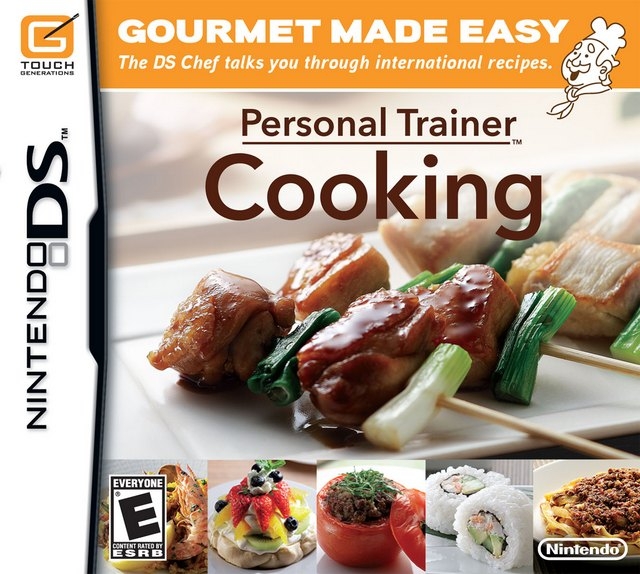
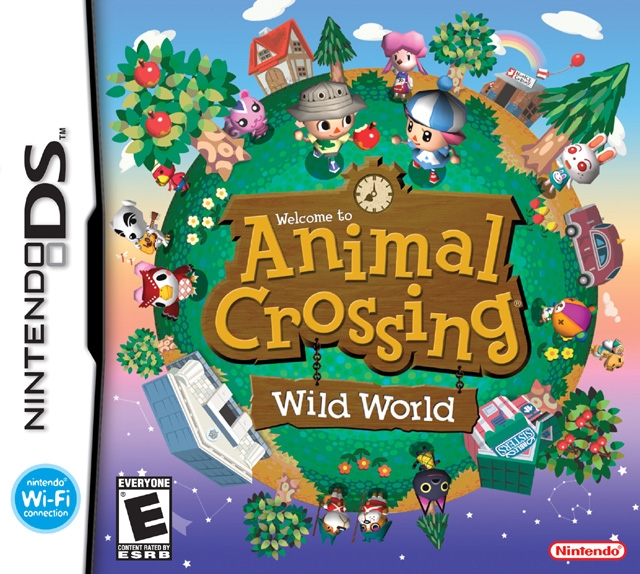
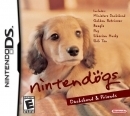
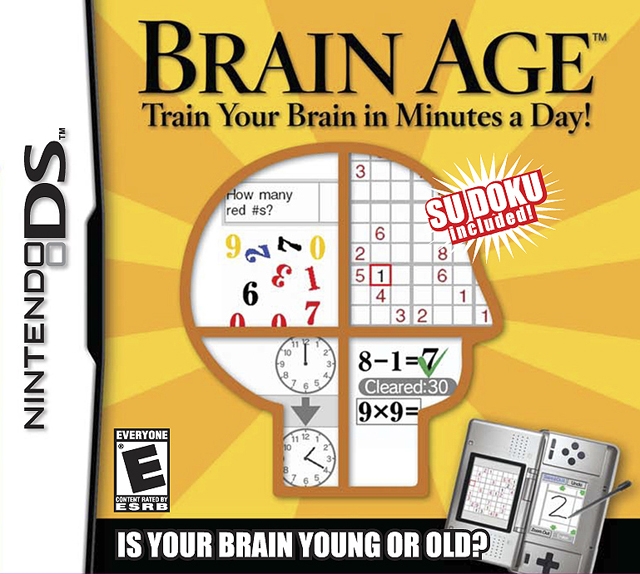
Rounding out at the top 10 at positions four, five, and six are Brain Age: Train Your Brain in Minutes a Day (DS) with 84,000 copies sold, Nintendogs (DS) with 72,000 copies sold and Animal Crossing: Wild World (DS) with 70,000 copies sold. At position seven through ten are Tamagotchi Connection: Corner Shop 2 (DS), N3: Ninety-Nine Nights (X360), Personal Trainer: Cooking (DS) and Mario Kart DS (DS).
Comparison – The market being in a transitional stage was smaller back in 19 August 2006 than it is today, 7 August 2010. A combined total of 721,000 systems were sold back than compared to 903,000 systems sold today. That is a growth of 25% on hardware alone. Software has seen a change from 2.94 million games sold back on 19 August 2006 to 6.43 million on 7 August 2010. That is over 100% growth, which shows that people are buying more games today than they were 4 years ago. The overall attach rate during the week of 19 August 2006 was 4.07 and today it is 7.12. To see the hardware totals click here.
Hardware – Microsoft was the only company to have a current generation home console out on the market. The original Xbox was discontinued when the Xbox 360 launched due to issues with NVidia, therefore Microsoft was able to exclusively focus on the Xbox 360. Being released one year earlier than its rival the PlayStation 3 and the Wii would give it an early lead of five and a half million. The Wii would eliminate the lead in 9 months, however the PS3 after nearly 5 years would still remain five and a half million behind and the gap is now growing with the release of the 360S 2 months ago. The Xbox 360 would have probably sold more consoles if it wasn’t for the ‘red ring of death’ fiasco. Early systems had a huge chance of breaking; reports ranging from 33% all the way to 100% will break. This kept a lot of people wary from buying a system that may die within a few months of purchase. 72,000 consoles were sold with 300,000 games sold on 19 august 2006 compared to 214,000 consoles and 1,109,000 games sold on 7 August 2010. The Xbox 360 cost U.S. $300 with no hard drive and $400 with a 20 GB HDD to purchase in 2006, while today it now costs $200 and $300. However there is now a redesigned console that is 20% smaller, has a new look, comes with wireless built in and a 250 GB HDD.
Nintendo looked dead in the home console market with GameCube sales down to just 14,000, almost as low as the Xbox which had been discontinued at this point in time. However even with that Nintendo was making a profit as the DS was lighting up the charts not only being the best selling system in during the week of 19 August 2006 but even today it is still the best selling system most weeks. It is also on track to surpass the PlayStation 2 as the best selling system of all time. With each successive home console selling less than the previous for Nintendo, they made a very big risk with the Wii and very few people thought that it was going to take off like it did. It has become the best selling home console this generation, although sales have dipped of late as the Xbox 360 has outsold it for nearly 2 months and the PlayStation 3 sales are right behind it. Even with this happening Nintendo has become the break out success of this generation.
Sony who looked unstoppable in the home console race with the PlayStation 1 and PlayStation 2 the top two best selling home consoles of all time, has fallen to third place. The reason this occurred is that Sony decided to include the new disc format, Blu-ray which they had invested a heavy amount of money into. Having a Blu-ray player shot up the cost where Sony had to charge $600 at launch. The cost being so high let the Wii and Xbox 360 lead them in sales. However in the first week of the September 2009 Sony released the PS3 Slim for $300 which would help sales substantially. The PS3 would outsell the X360 closing the gap from eight and a half million to five million, until Microsoft released a redesigned console back in the middle of June 2010. Sony after losing money on each console sold since launch has recently announced they are now making money on each and every console.

A total of 272,000 home consoles were sold on 19 August 2006 compared to 511,000 on 7 August 2010. The difference between the PlayStation 2 at the transition period compared to the PlayStation 3 today shows a decline of 40,000, but no where near as big as the total hardware comparison shows. The PlayStation 2 has sold 136 million compared to 36 million PlayStation 3s, a difference of 100 million. Looking at the difference between the GameCube and Wii is startling. It really shows how Nintendo has turned it around in the last 4 years. The GameCube only selling 14,000 on the week while the Wii is now selling 150,000 a week which is down compared to the last couple of years. The Xbox and Xbox 360 are combined for 2006 numbers for a total of 76,000 compared to 214,000 X360s sold in 2010.

Handhelds which were not in a transition period back in 2006 has seen sales decline in the past 4 years. The reason for this is that the current generation of handhelds is in the latter years and with the DS successor launching within the year sales will continue to decline. In 2006 Nintendo had the DS and Gameboy Advance on the market while Sony had the PSP. The Gameboy Advance was in its latter years as sales were on the decline while the DS and PSP sales were on the rise.
Software – Comparing games of 2006 to 2010 shows trends as to which franchises have become more popular or have faltered and seen sales decrease. The first series New Super Mario Bros. was at the top of the charts in 2006 with the DS version. During the week it had sold 213,000 copies for a total 4.9 million. It would go on to sell 22.3 million copies. The next version of the series was released on the Wii in November 2009 which has gone on to sell 15.4 million copies to date. The Wii version of the series had a stronger opening with 2.3 million copies sold in the first week compared to 1.2 million of the DS version; however the DS version would prove to have much stronger legs.
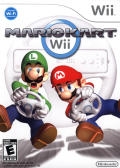
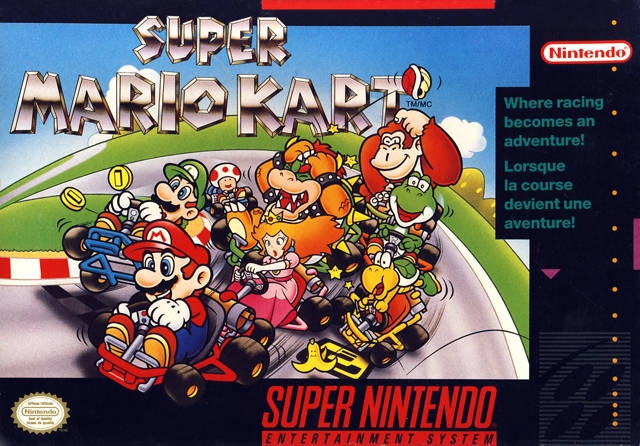
Mario Kart a series synonymous with go-kart racing games. A look at the games on the home consoles dating all the way back to the Super Nintendo in 1992. The very first version of the game Super Mario Kart (SNES) had managed to sell 8.7 million copies while its sequel Mario Kart 64 (N64) sold 10 million copies, a nice size growth that would diminish with the next game in the series. Mario Kart: Double Dash!! (GC) would see sales of 7 million a decline of 30% from the N64 version. With the Wii Nintendo would not only see an increase in console sales but also an increase in its core game series. Mario Kart Wii has sold 22 million copies to date, a three-fold increase of the last version in the series.
Conclusion – The video game industry has seen unprecedented growth since the transitional period in 2006. The Wii has become the fastest selling console of all time and is on track to surpass the PlayStation 2 for the best selling console of all time. The Xbox 360 and PlayStation 3 have become the best selling second and third place home consoles. The current generation of handhelds is in its latter years as sales are on the decline. Nintendo’s core franchises have seen an increase in sales to become some of the best selling games of all time. The current generation of home consoles is in their peak years as PlayStation 3 and Xbox 360 sales are up year on year.