
Breaking Immersion: Scripted Disasters - News
by VGChartz Staff , posted on 23 June 2011 / 2,532 Views
In movies, books, and every other form of non-interactive media, what you see is what you get. Everyone will see an event from the exact same perspective, and the characters will react to an event the same way every time, unless you're Han Solo. In video games, that's absolutely not true. Except when watching a cutscene, players can view scenes from any angle and, if allowed, can manipulate a scene to change it. You can make what was meant to be an extremely dramatic scene, just look plain silly as your character runs around the room in circles breaking things. But for some reason, developers occasionally forget that their games aren't movies.
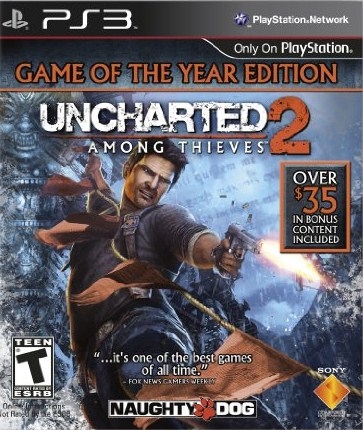
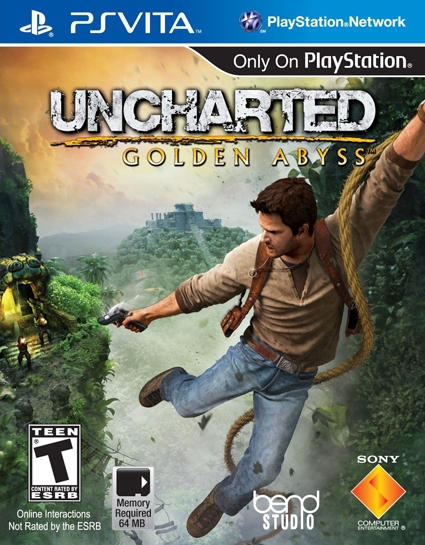
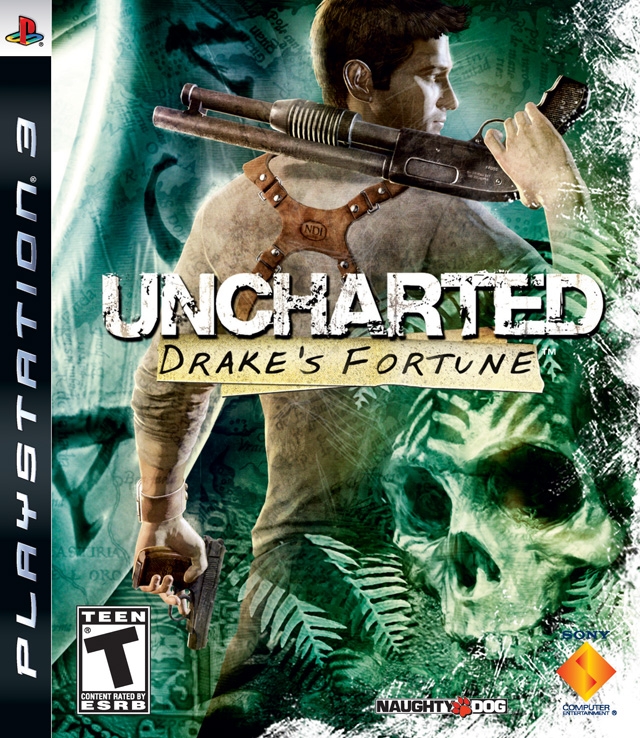
Scripted events are nothing new in games, and are actually quite effective. They can make what could be an almost entirely dull sequence into something much more exciting. A huge part of Uncharted are the scripted events, as Drake performs death defying feats to wow the player. Usually, these are best placed in a linear experience where the player only has a single path to go to the next area. In some games, if the character needs to react, it's completely automatic. In other games, developers expect the player to react.
Where the trouble comes in is when developers only assume there's one way a players will react to a situation. But in actuality, in a video game, you have to assume players may act differently. If you don't have any fail-safes in place for certain events, you could end up with the player being confused or just in a awkward situation. That fail safe could just be a flat out game over. For example, the player panics and decides to try to climb on an unclimbable ledge while a boulder rolls down the hill. The title at least assumes the player will run. If not, they die. It almost seems like basic logic, but on occasion developers get it wrong anyway.
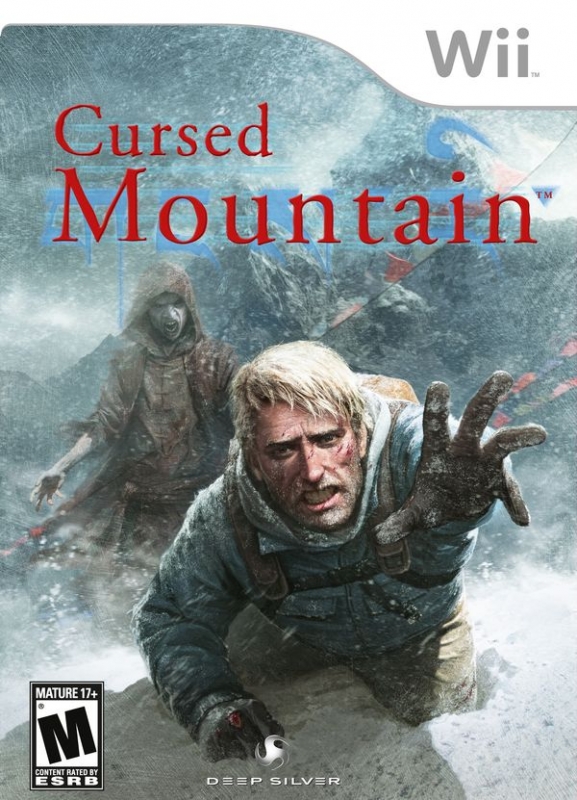
I was recently playing the survival horror title Cursed Mountain on the Nintendo Wii, and in the title there was a sequence when you're running up a valley. As you walk up the valley, an enemy spawns right in front of your screen, but behind the character. One enemy, no problem! But when you go to turn around to shoot him with your super religious magic laser pickaxe of death, the shots go right through him. He just continues to stand in one place, so the player just turns around and starts running back up the valley. As you run up the valley, he continues to spawn behind you. 'Oh, he's supposed to look like he's chasing me.' This is probably one of the more extreme cases, where you cannot interact what-so-ever with the object they were intending on you running away from. They assume you'll be scared and just run up the hill. Instead, players who choose to fight will be welcomed by a non-interactive enemy.
Of course, this doesn't have to be only a single event within a game. You could also look at breaking entire sequences. All too often you'll be doing something urgent, like chasing an enemy through a forest. If the game allows you to turn back and walk out of the forest, you can go do whatever. Go have fun with the in-game casino or whatever then come back hours later and casually walk back through the forest. At the end of the forest – tad-ah! The person you were chasing just got there too despite your hours of wandering. I find it almost humorous how many Japanese role playing games pull this, where you are 'in a hurry.' Instead, you can just go to the inn and use all your money to spend a month in bed until you finally do your duty.
It's impossible to predict what every single person will do in a situation. Someway and somehow, someone will probably break the scene by doing something random. But developers definitely need to at least think of more than one reaction by the player, and if it simply cannot be avoided, have the title either react in a certain way, via game over or something similar, or by at least pushing the player's character physically direct them. The latter solution will probably break the player's immersion in a title anyway, but at least they are left knowing what to do next, rather than just sitting around being confused.