GreedFall: The Dying World (XS) - Review
by Lee Mehr , posted on 16 April 2026 / 4,259 Views
Reviewer's Notes: Given how certain story praises & critiques demand specific attention, there will be some SPOILERS below. Read on at your risk. The majority of my experience is based on Version 1.2.1.0.
Change is a strange thing in games. Most people can appreciate it on the margins, but are nevertheless wary of it when it's presented. It's common to see the broader gaming community brazenly denigrate gameplay clichés yet not immediately sign off on new concepts; then again, it's also normal to enjoy staying satiated on your preferred comfort food. It's through this lens that developer Spiders' shift away from a standard Action-RPG earns attention. One can't help but question a team's mindset after a decade of real-time action – plus concomitant polishes and advancements since starting with Mars: War Logs – when it pirouettes towards a quasi-turn-based system with its most popular IP (GreedFall). It's also fitting in a way: a colonial-themed world reflecting cyclical reinvention back towards long-time fans.
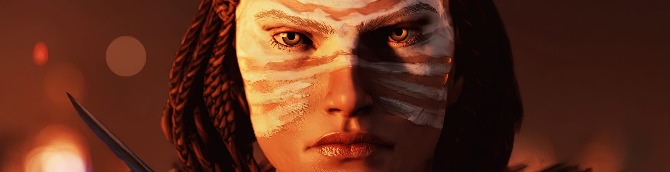
Change is less welcome by the indigenous inhabitants of Teer Fradee, a magic-filled island recently discovered by Continentals. Players step into the shoes of Vriden Gerr (meaning "Rootless" or "Shallow Roots"), a male or female student striving to be one of the next sages for their tribe. After a lengthy tutorial lays the gameplay and narrative groundwork, you and your squadmates are kidnapped and sent to the Continent of Gacane (pronounced guh – kahn) to be slaves. After successfully breaking out of prison, you and a newfound crew must find a way back home while also uncovering a more devious conspiracy that risks the lives of every native.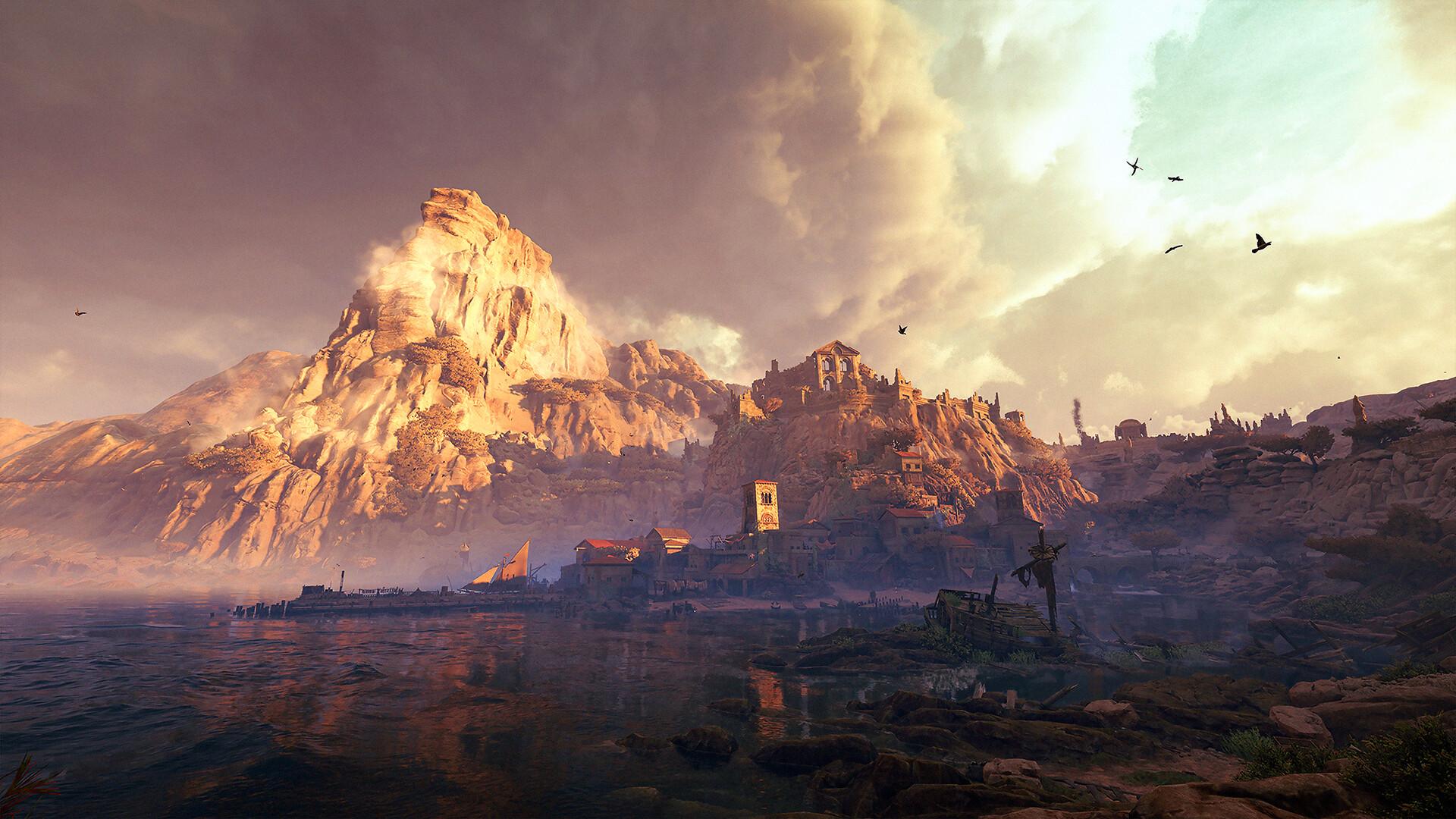
In keeping with the theme, even the premise is a direct inversion of the original. Before, the 'stranger in a strange land' setup followed that well-trodden road of a civilized protagonist becoming more attuned with native culture and a foreign divine power (a la James Cameron's Avatar and such). Here, a huge percentage of the prologue is a foreign-language film with a native who's genuinely intrigued by outsider culture – even to the point of reprimand by friends and family alike; there's also an option to concurrently see your selected language's subtitles alongside the native's Yecht Fradi. It's easy to reflexively see these small details as just that, but it speaks to Spiders' interest in establishing a different tenor, regardless of what some empty suits say about this small hurdle with audiences.
Your character's dislocation from home foists them into being an independent busybody with a motley crew of sorts. Virtually every main faction of Gacane has a representative on board with their own troubled histories and motivations. Some of the party's transition from captors to reformed heroes is rather rushed, but that partly stems from its middling production budget. As great and momentous as certain scenes may be, there isn't the same… shall we say, "cinematic consistency" as something like the prime BioWare era. Most companion quests and backstories rival the original's crew – occasionally beat them – but you can almost feel something similar to extended cuts for movies: more scenes and stronger connective tissue between everyone could've wholly sold the final act.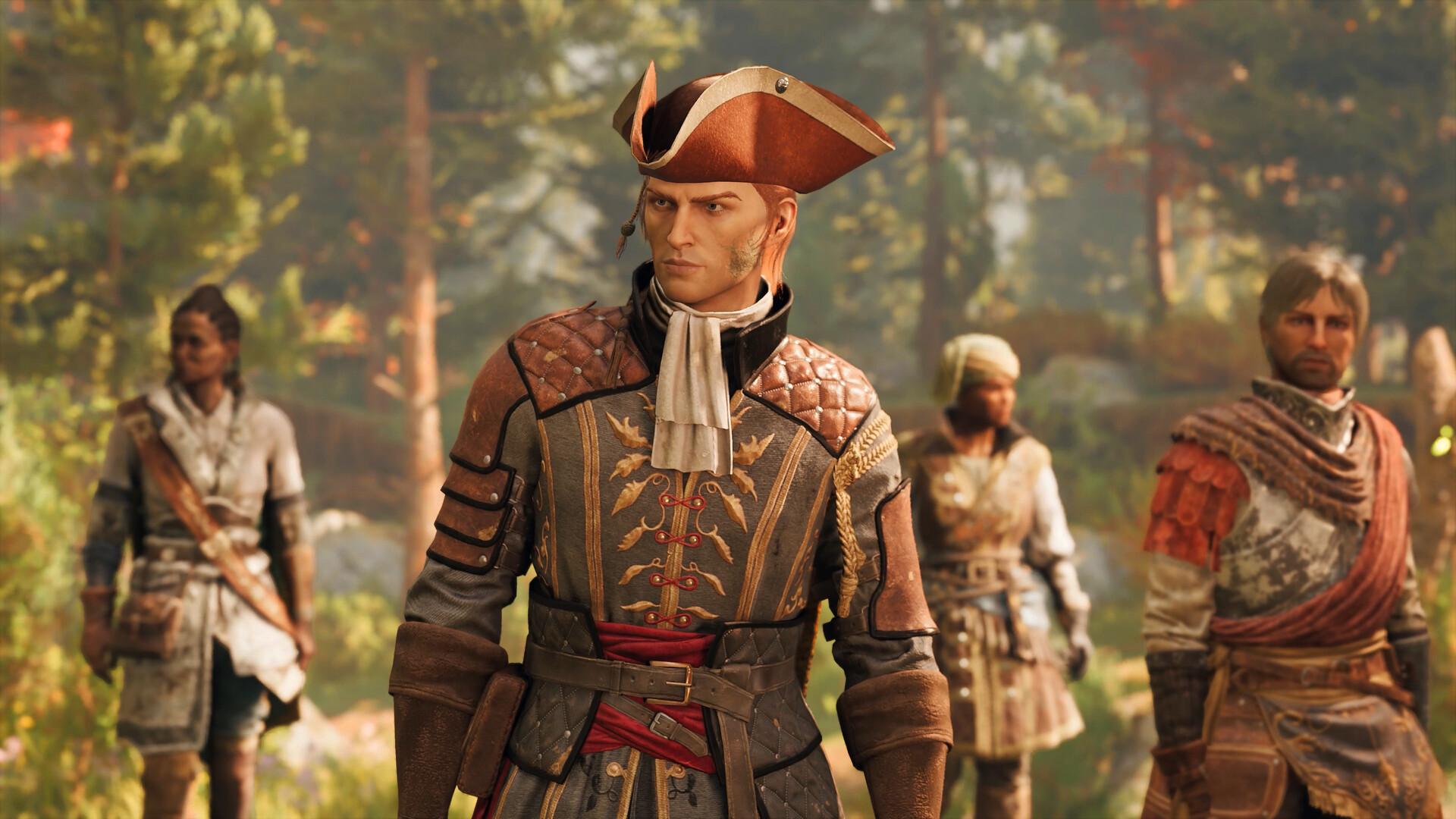
That's not to say what's here overall is lacking; far from it. Like its precursor, Dying World can stretch past 50 hours of content with nary a single quest about fetching a dozen wolf pelts. By wedding layered questlines and meaningful role-playing opportunities within this high fantasy setting, there's a heightened tangibility to even its most generic plots. It's also the perfect way for Jehanne Rousseau and company to harness 'but... therefore' story beats; intentions are clearly stated while new obstacles keep getting in the way. While no singular point beats the original's middle-act surprise, highlights like exculpating a squadmate aren't far behind either. Gathering evidence and testimonies here also acts as a way to glean more about this foreign faction's unique customs, thus reinforcing its nuanced world-building.
The understated success of Spiders' prequel is in the combined thrust of storytelling and role-playing, rather than bombastic moments or mind-blowing revelations. Apologies for the pretentious wordplay, but its 'ludonarrative harmony' sells the world and your place in it. Of course your Vriden Gerr would be open to expanding their skill set to include rifles, pistols, and other weaponry tacitly considered verboten by their native society. Of course they'd have no qualms donning non-tribal clothing – up to and including plate armor – either for their preferred combat role or to blend in more with Continental standards. Of course they could be more conciliatory towards diplomacy, even when dealing with conflicts directly affecting their people. By building your player-character up as such an enigma from the beginning, the wide role-playing latitude given isn't contradictory in this context.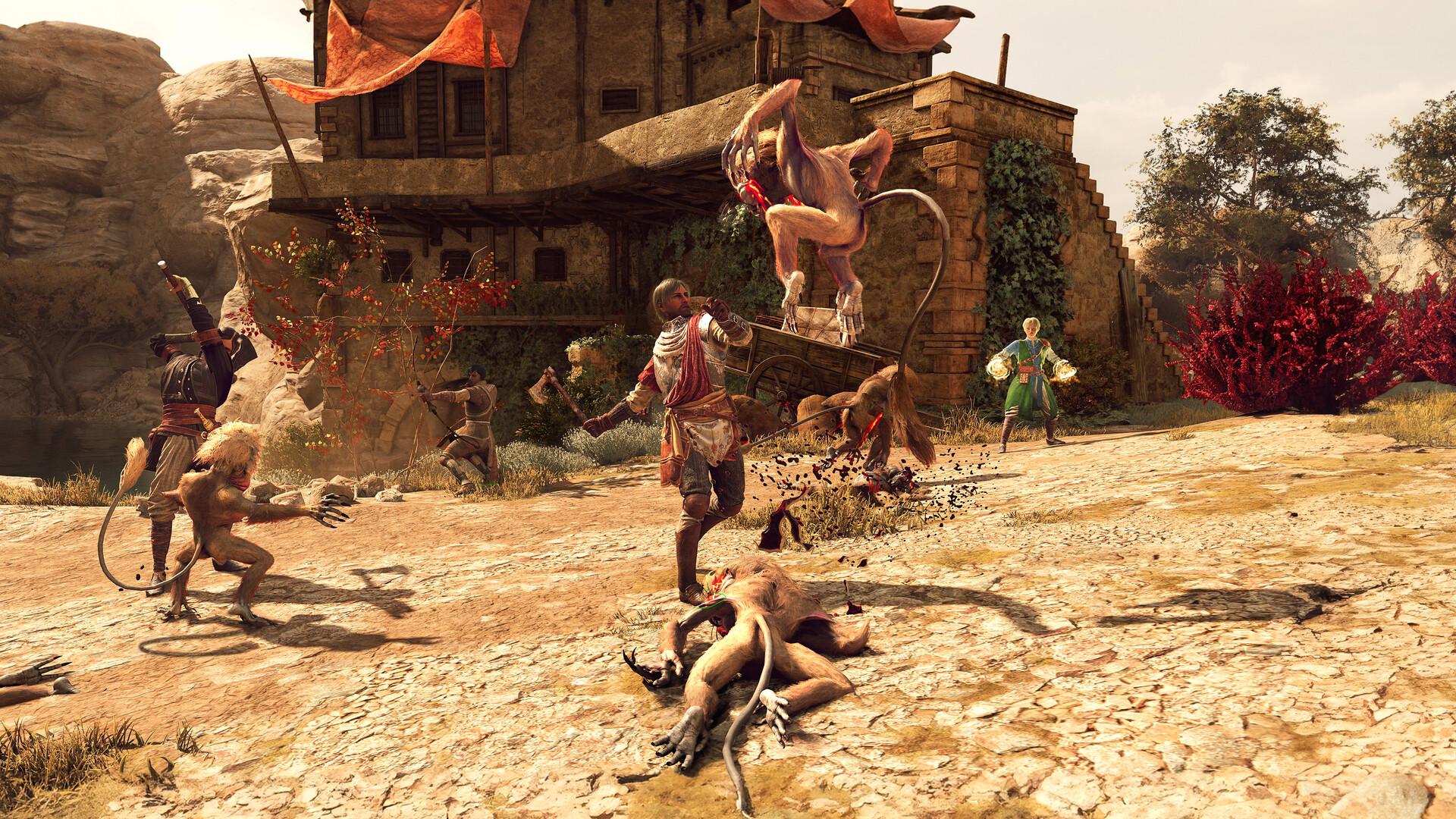
Whereas its storytelling tweaks play around with the familiar, Dying World's gameplay upends its center. It's hard to appreciate the amount of time it might take for long-time fans to acclimate to no dodge-rolling; instead, regardless of distance or any cheesing tactics, successful dodges stem back to percentages and dice-rolls in the background. Akin to certain BioWare games of yore (Star Wars: Knights of the Old Republic, Jade Empire, etc.), it follows an active turn-based system where Vriden Gerr and three other party members can combat enemies either in real-time or paused, which enables you to select each member's next five sequential moves.
The rhythm will feel familiar to any CRPG regular. The default UI layout follows the norm: a portion for you and your allies' current status, enemy health bars, and list of unlocked abilities are segregated into specific blocks. As expected, mouse & keyboard has an advantage for selecting abilities and targets over any controller – especially with its limited input options – but key-binding your preferred moves into quick slots is simple enough. Combat tempo is all about numbers running in the background; between weapon strength, acquired buffs/de-buffs, armor bonuses, character ability level, and so on, the system weighs each of these items to count hits and misses.
From the outset, this rather dry examination doesn’t seem exciting compared to Spiders' previous systems of potentially finishing challenging fights unscathed. Even if the team's previous work (Steelrising) wasn't near the top of the Souls-like food chain, certain tweaks hinted at a team honing their craft. Which makes its successful transition here all the more welcoming. It's not appreciated as often, but there's just as much dynamism in evaluating your chess pieces, exploiting environmental hazards, and carefully instructing everyone on the best course of action. Stronger moves costing Action Points, which slowly replenish after successful hits, means spamming might put you in a weaker position. Tactical acuity instead of snappy reflexes is Spiders' new drug, and the hits can feel just as potent.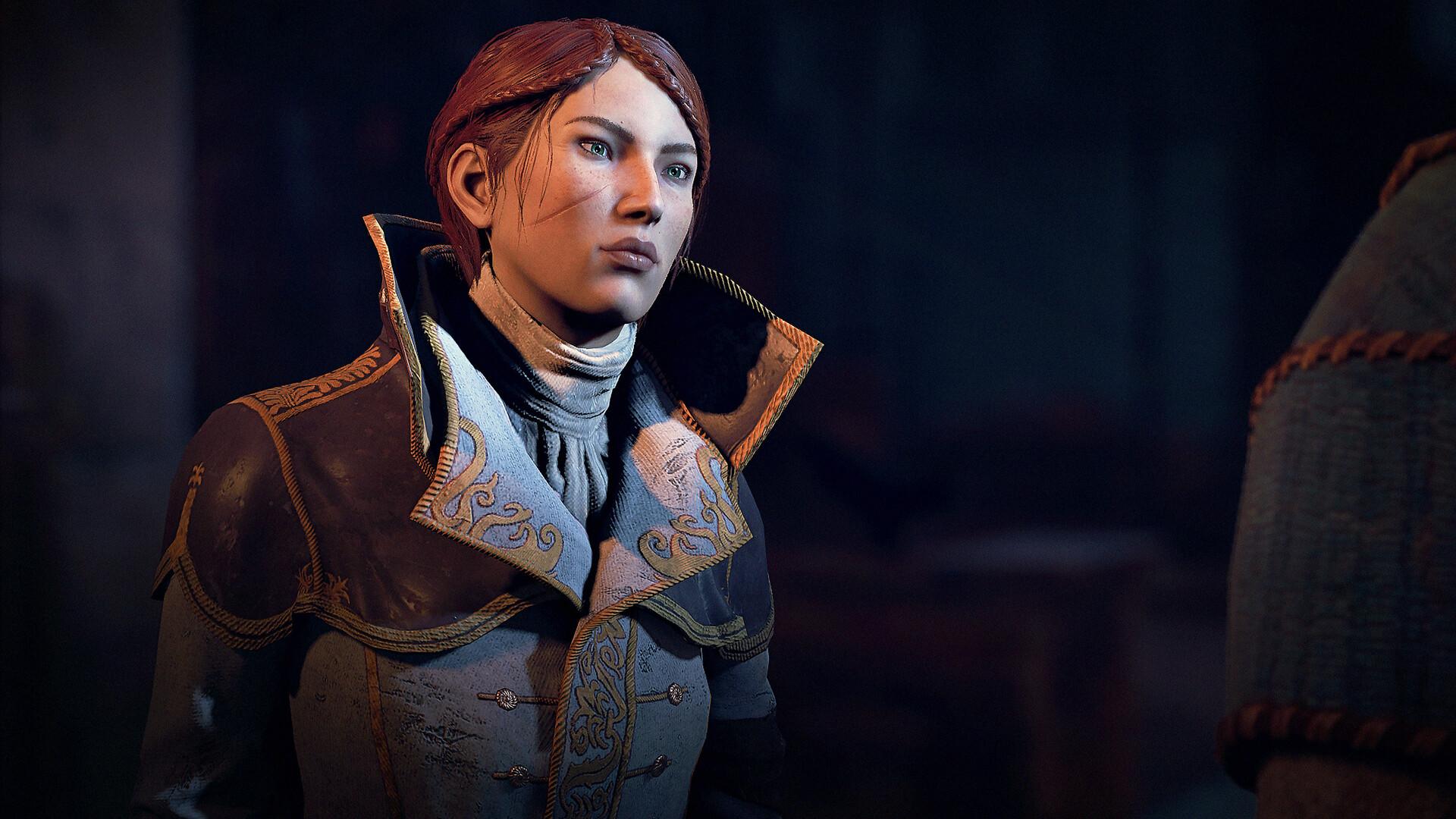
For as robust and ambitious as the system is, it also reveals an unfortunate lack of polish. Typical concerns like odd bugs, framerate drops, and hard crashes are present, but not a continual problem either. No, the most consistent issue comes back to friendly and enemy AI occasionally falling asleep at the wheel; teammates in particular have a habit of downing an enemy and then standing in place for several precious seconds. Fortunately, you can control each member, but that also translates into a lot of micromanaging to keep everyone on track. This also extends to their programmed hesitancy for utilizing their best moves, practically treating Action Points like a 401k investment that increases over time. They're still oftentimes helpful, but supervision is necessary to squeeze the most out of them.
What's ultimately left is a panoply of RPG elements replaced by a turn-based core. Like Spiders' previous pedigree, this can obviously spurn the common "jack of all trades, master of none" line. And, sure, managing ancillary systems that include stealth, crafting, potions, traps, weapon specializations, speech checks, lock-picking, and so on will obviously strain under their own weight. Stealth's wonky line-of-sight logic can be played with to hilarious degrees, but it's understood as a way to thin enemy ranks. What's more important is exploring the opportunity space to commit your Vriden Gerr to mastering a limited set of skills.
As with its multitudinous role-playing options, world design follows a similar script. Again, given the developer's limitations, Dying World doesn't have the same sort of reactivity as that of, say, Skyrim. It's a game where a captain might incorrectly suspect you of stealing a special item during a dialogue scene and then not flinch while you lock-pick his chest three feet away, yoinking all of the contents. Think of it as more like a quasi-MMO; that said, even these scripted NPC routines feel more substantial than in the likes of Dragon Age: The Veilguard. There's just enough variety and evolution from certain questlines to avoid them feeling flat. The same goes for Spiders' presentational strengths - art, voice acting, etc. - excelling past what its straitened budget would seemingly allow.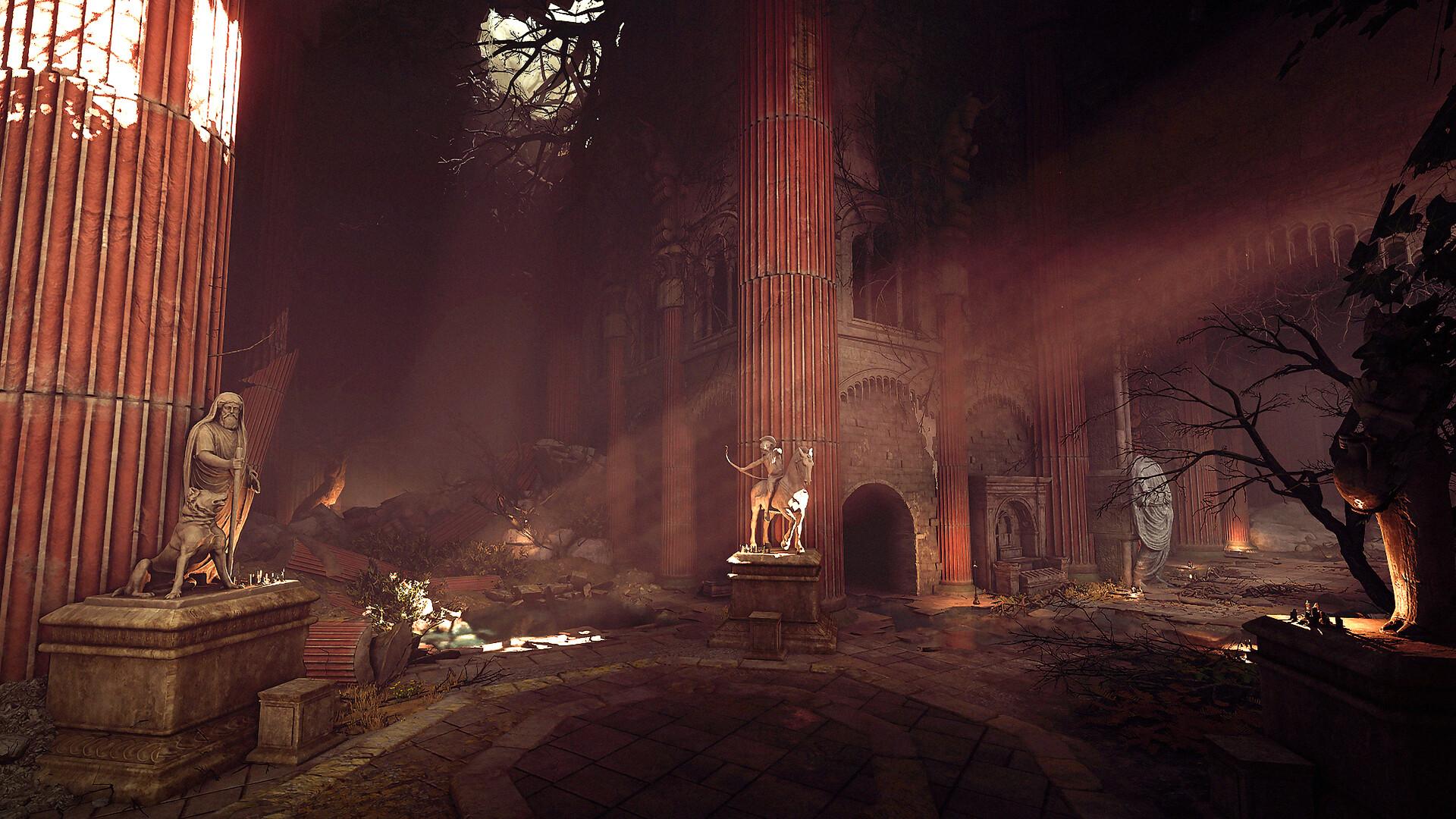
Exploring the vast regions of Gacane eventually demands traveling by ship. Though regions located on the same landmass will just be a quick loading screen away, those separated by an ocean require boarding the Constanzia first and then selecting that location. Since it mirrors Mass Effect's Normandy, it serves as a useful pacing mechanism for optional crafting or stirring conversation to begin companion quests. One aggravating snag is loading screen times to board it during later acts; instead of measuring in seconds like everywhere else, these are measured in multiple minutes. Even after troubleshooting various tricks, that problem couldn't seem to fix itself. Especially deflating when preparing for the climactic finale, given how its quest structure compels you to rally a trans-continental coalition.
Even though Spiders ranks among a small clade of middle-market/AA developers with a pulse, it's easy to see the publisher scheming in the background. The $60 standard/$70 deluxe cost split has become a norm at this point. But Nacon couldn't stop there. On top of having a digital art book, the Peren’s Black Mass questline and some cosmetic extras are also locked behind the Deluxe Edition. I don't know… at this point I wish South of Midnight were more popular, if only to act as an exemplar for these $10 deluxe upgrade packs. Hell, even The de Vespe Conspiracy expansion costs $7 (standard).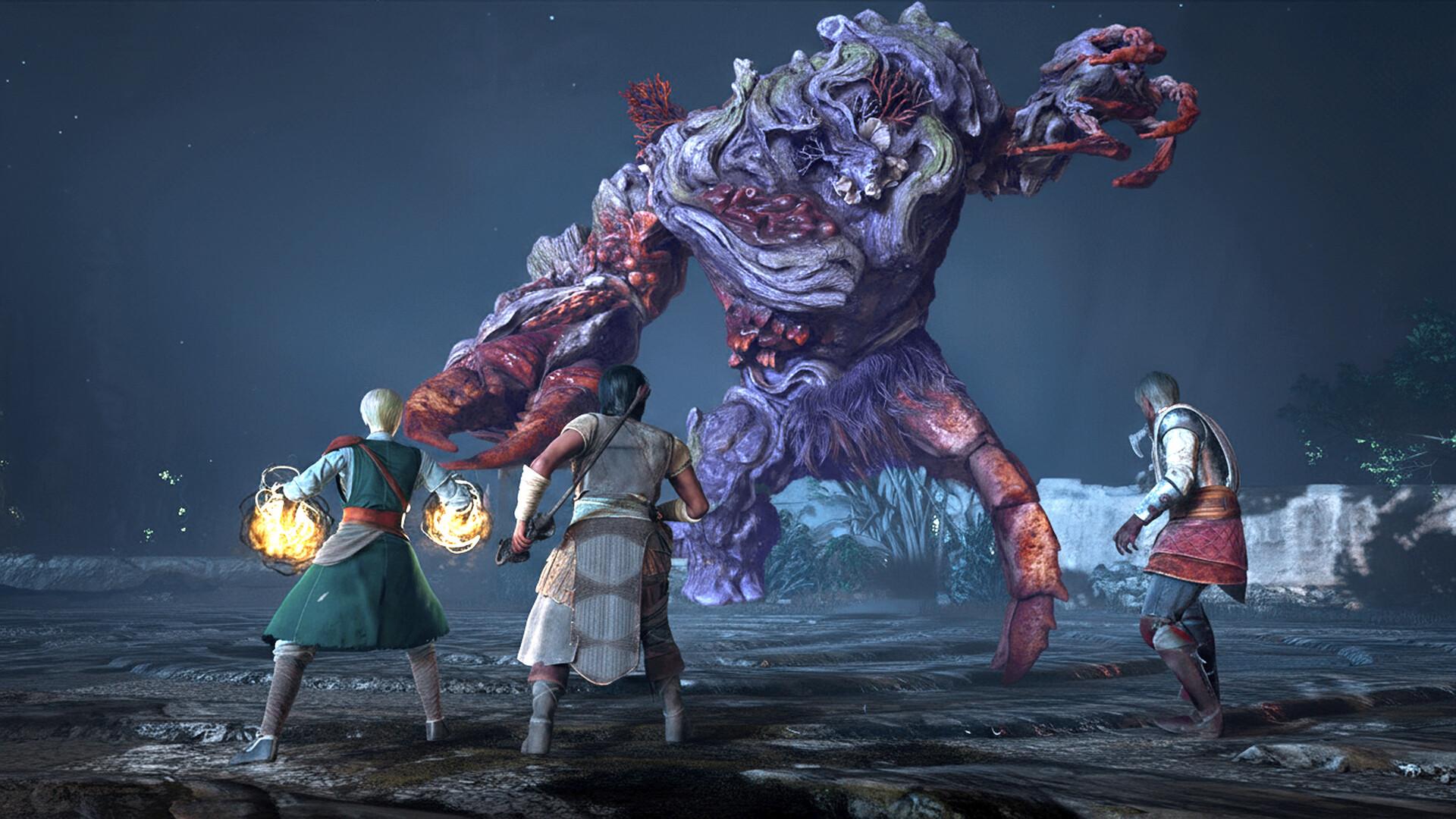
Change like this is rarely welcome, which makes GreedFall: The Dying World all the more impressive. Most fans' initial thoughts would've been cautious optimism, given how much Spiders had improved on its action pedigree, but now it feels natural to play with this template wherever the team goes next. That doesn't take away from its own unfortunate pitfalls, nor various launch-window technical issues, but the core concept feels even riper for interesting experimentation. Tie this with a compelling prequel narrative, and it's easy to see this as a commendable follow-up.
Contractor by trade and writer by hobby, Lee's obnoxious criticisms have found a way to be featured across several gaming sites: N4G, VGChartz, Gaming Nexus, DarkStation, TechRaptor, and Cubed3! He started gaming in the mid-90s and has had the privilege in playing many games across a plethora of platforms. Reader warning: each click given to his articles only helps to inflate his Texas-sized ego. Proceed with caution.
VGChartz Verdict


7
Good
This review is based on a digital copy of GreedFall: The Dying World for the XS, provided by the publisher.
More Articles
Put this game on my wishlist since I do plan to try it out eventually. Been a fan of spiders since Bound by Flame released.



Nice to see a fellow Bound By Flame fan! That makes 2 of us lol. I still go back through TMS trophies list and see that 2012 platinum. I also became a fan through that game. I also like Technomancer, but fear a may be the only person to ever admit it.
Haha yea there wasn't much to play at the time so I decided why not I'll try this game. Instant fan. Hard as hell for me though but I was able to keep pushing through.


This reminds me to play the first, have bought the gold edition.

I wish I was as cool as coolbeans.
Haha. Looks like somebody's trying to get a few extra lotto entries. ;)

I enjoyed first Greedfall, but this one kinda went under the radar for me.
Ever since Mars: War Logs I was kinda waiting for Spiders to hit that Piranha Bytes level with making something that will become classic among Eurojank RPG fans, but, at this point, I don't think they will ever quite get to it.
Still, looking forward to check it out in the future...
1st place - method114
2nd place - ironmanDX
Congrats to winners and thanks to everyone who participated!

I'm not familiar with this franchise. I wish Ubusuna would come out
I'm not sure how big a fan you'd be, honestly. I guess it'd come down to mindset going in. Even by the standards close to its release, the original GreedFall's ARPG combat feels rather clunky. Spiders is probably the most popular modern Eurojank dev (if discounting the CD Projekt Reds that've grown out of that label). But by not hyper-fixating on AAA combat expectations, their fascination with other RPG qualities lends them a special charm.
If we take the tabletop way, of doing things (which we should , since they are older), where over time term "Euros" became used for certain types of games, no matter where they were designed, and apply it to Eurojank as type of game, that can also be made outside of Europe, I'd say that Outward developer Nine Dots, although having only one game so far (and sequel in development), is probably most regarded among Eurojank RPG fans.