

Do Bridge Titles Have a Future? - News
by VGChartz Staff , posted on 07 October 2011 / 3,960 Views
Before casual gaming exploded thanks to the iPhone and other mobile devices, gaming had evolved into something you could probably call an elite form of entertainment. This was mainly because trying to participate in any form of gaming had at least some sort of learning curve, although portables offered a much smoother one. Even today, more traditional games may be out of the reach of someone who solely plays games like Cut the Rope. Nintendo's launch of the Wii made a connection with people who had never played games before. This new previously untapped market suddenly rushed publishers into the Wii ring. Unfortunately, they swarmed them with mini-game collections focused on multiplayer. On occasion, however, they would through their money into a type of title called a “bridge” title.
Bridge titles are essentially traditional experiences slimmed down to a significant degree to make it friendly to an inexperienced gamer. Bridge titles existed before the Wii as well. Final Fantasy: Mystic Quest is probably one of the most recognizable titles. It took the Final Fantasy formula, simplified it down for North American gamers in hopes that it would be a stepping stone for consumers to pick up a more standard Final Fantasy. Like many future bridge titles, it wasn't exactly successful from both a sales and critical perspective. Over the years a few more attempts were made at creating this type of entry-level traditional gaming experience, but it wouldn't be until the Wii that developers really tried to embrace outside of just a random experiment.

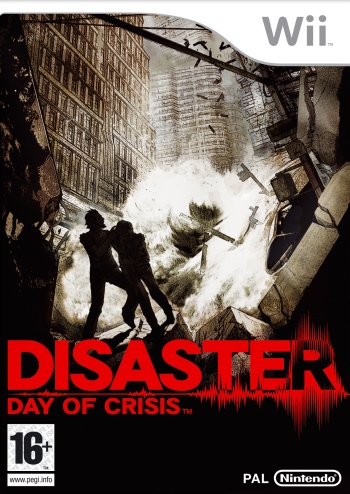
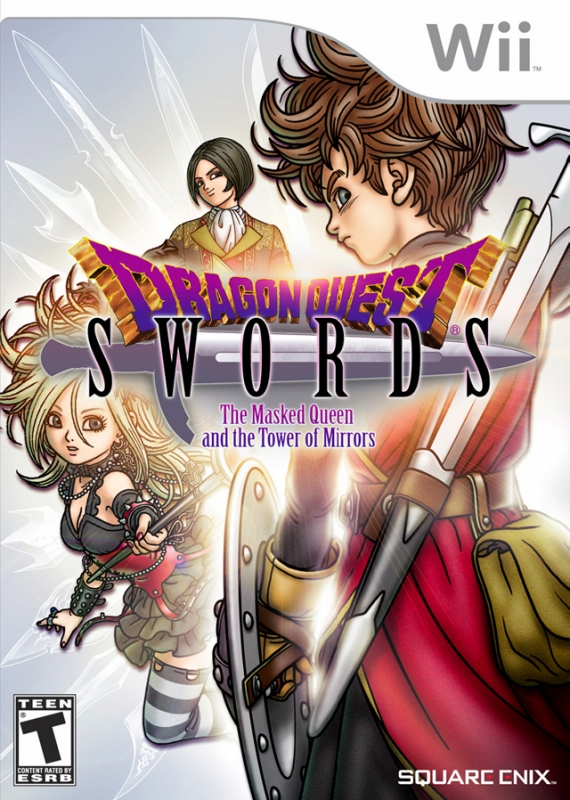
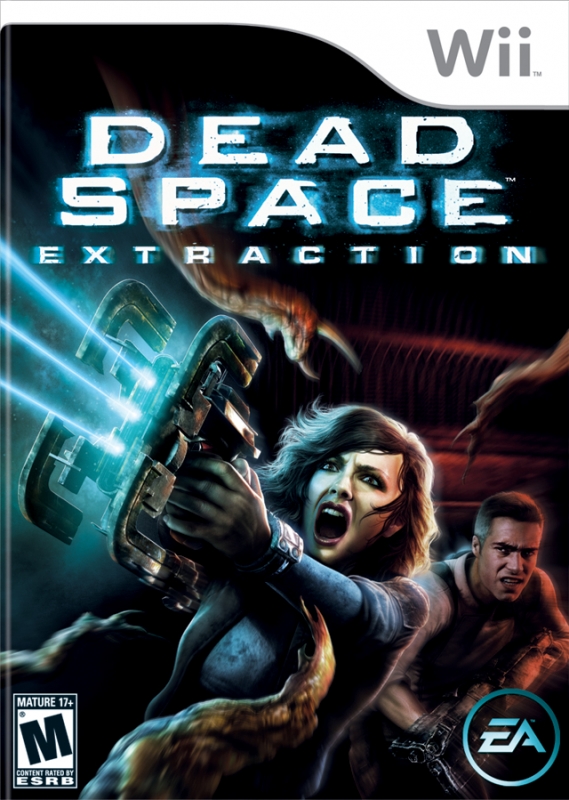
With a flood of new casuals consumers, it seemed like a great idea. In concept, bridge titles provide a great middle step for inexperienced consumers to take on traditional video games. After a few years, the Wii built a small library of titles that took the same minimalistic formula that Final Fantasy: Mystic Quest did over a decade before it. Monolith Soft's Disaster: Day of Crisis is a ball of random mini-game-esque action sequences in a natural disaster environment (complete with spastic waggling), Square Enix's Dragon Quest Swords was essentially the Wii Sports of action RPGs and EA's Dead Space Extraction took out movement in favor of an on-rails experience.
Unfortunately we found that, as in the past, most bridge titles were unsuccessful from not only a critical standpoint but a sales perspective. Most casual consumers don't seem all that interested in picking up a more traditional eight to ten hour games unless it includes multiplayer. These single player epics fall on deaf ears as casual consumers seem to have little interest in these lengthy adventures. Even hardcore gamers are missed as they have little interest in simplified, or in some cases, gimped software. It's a double-edged sword, if both edges were on the inward side facing the publisher. Bridge titles definitely have some quality content, but it's hard to succeed when you're already at a disadvantage thanks to pre-set limitations. In today's environment, that's even more so true as gamers expect the best of the best in their experiences.

While single player focused bridge titles have a grim past, Nintendo has proven multiplayer bridge titles can work fantastically. Mario Kart is a series that has always been built with both the casual and core gamer in mind. While Mario Kart Wii's balance is debatable, it's hard to deny that it is a solid title and a massive financial success, selling over 28 million units world wide. Nintendo has a few other hit titles, but none are built with everyone in mind nearly as well as Mario Kart Wii was.
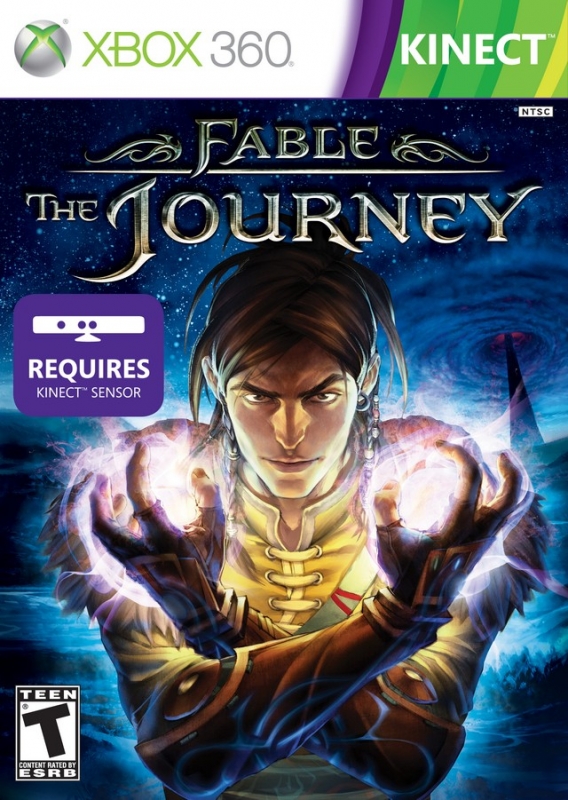
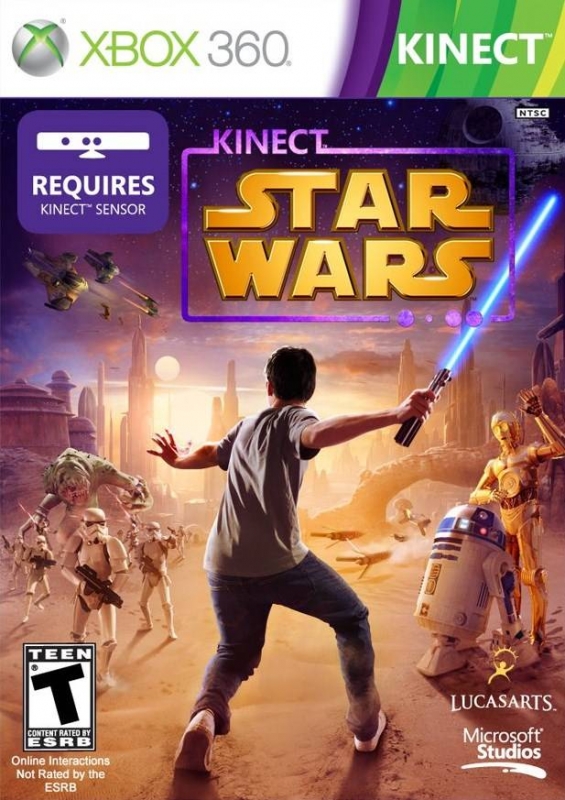
The Wii's bridge titles, along with pretty much all other software support outside Nintendo, has been slowly fading out, but now they're starting to reemerge elsewhere. While possibly not intentional, the Kinect has a handful of titles that do resemble bridge titles. The lack of a real controller places limitations on the player, which creates a more casual friendly traditional experience. Obviously, the titles aren't out yet to say for sure, but from where we are today, Kinect software like Kinect Star Wars and Fable: The Journey definitely look very similar to these bridge titles. Hopefully these are the titles that prove that single-player bridge experiences can actually work, but I wouldn't bet on it.
More Articles

Well said, Rol, nothing to add.

The best ways to bridge casual and core games are to design proper bridge titles, not dumbing down core ones, and to avoid unnecessary complications in core titles, to make easier the leap to them for newbies. Avoiding unnecessary complications doesn't mean, again, dumbing down hard titles, but carefully designing their UI and writing readable manuals, and for those that really can't read manuals, providing a good tutorial and contextual help (It can be argued, though, that simplification could mean also trimming down some overcomplicated stats systems, but again, this depends on whether they really have important meaning and purpose for the game or not). If this isn't enough for some users, it just means that they simply don't want to cross the bridge.
I wish game companies would think about their old loyal fans a bit more. We're often forgotten.
overall, I agree with what you said except for Extraction being a bad game. As far as arcade style on rails shooters go, it's really good and has a great story that drew me into a series I wouldn't have been interested in otherwise (I don't like the modern FPS but I do find arcade shooters fun).