



Existing User Log In
New User Registration


Register for a free account to gain full access to the VGChartz Network and join our thriving community.





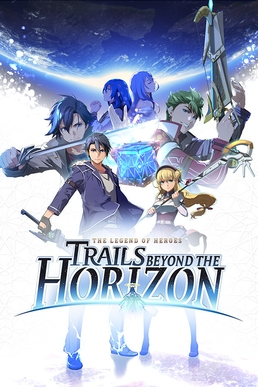
America - Front

America - Back

Nihon Falcom Corporation
Role-Playing
 (Add Date)
 (Add Date)
 (Add Date)
| Owners: | 0 |
| Favorite: | 0 |
| Tracked: | 0 |
| Wishlist: | 0 |
| Now Playing: | 0 |

By Thomas Froehlicher 25th Feb 2026 | 3,451 views
Besides Star Ocean, space has never been a major focus in Japanese RPGs. So when The Legend of Heroes: Trails Beyond the Horizon emphasised its big rocket prior to release, my curiosity was certainly piqued. Will this new setting be enough to make us forget the narrative debacle that was The Legend of Heroes: Trails Through Daybreak II?
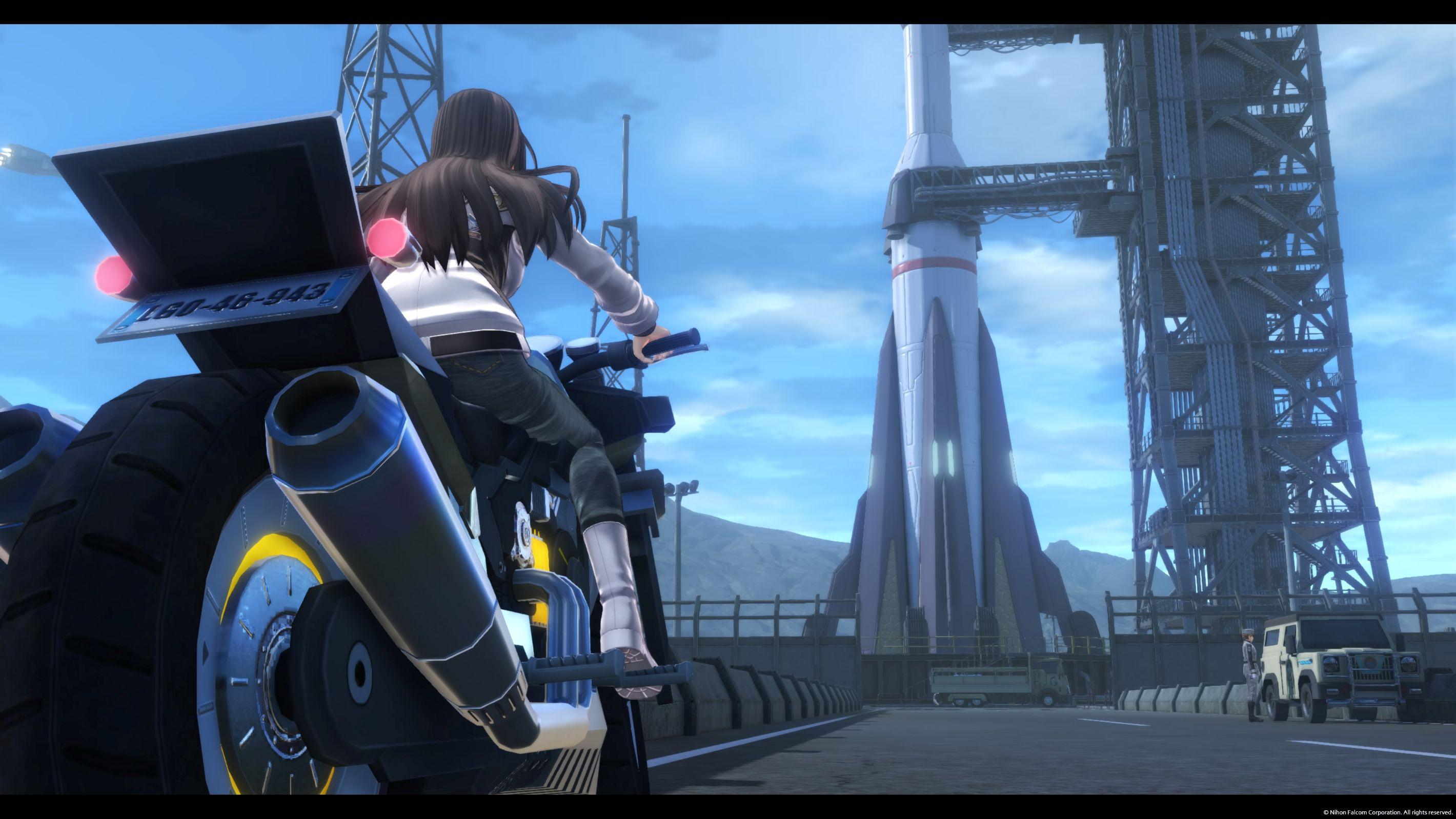
Trails Beyond the Horizon begins with the Republic of Calvard entering the final preparations for the launch of its ambitious space program, the first of its kind on the continent of Zumeria. Van isn’t the only protagonist this time, because this third entry in the Daybreak sub-series shares the same progression system as Trails into Reverie. There are three different teams following their own stories and objectives, and thus three lead protagonists: Van; Rean, from the Trails of Cold Steel saga; and Kevin, a hero from the Trails in the Sky saga.
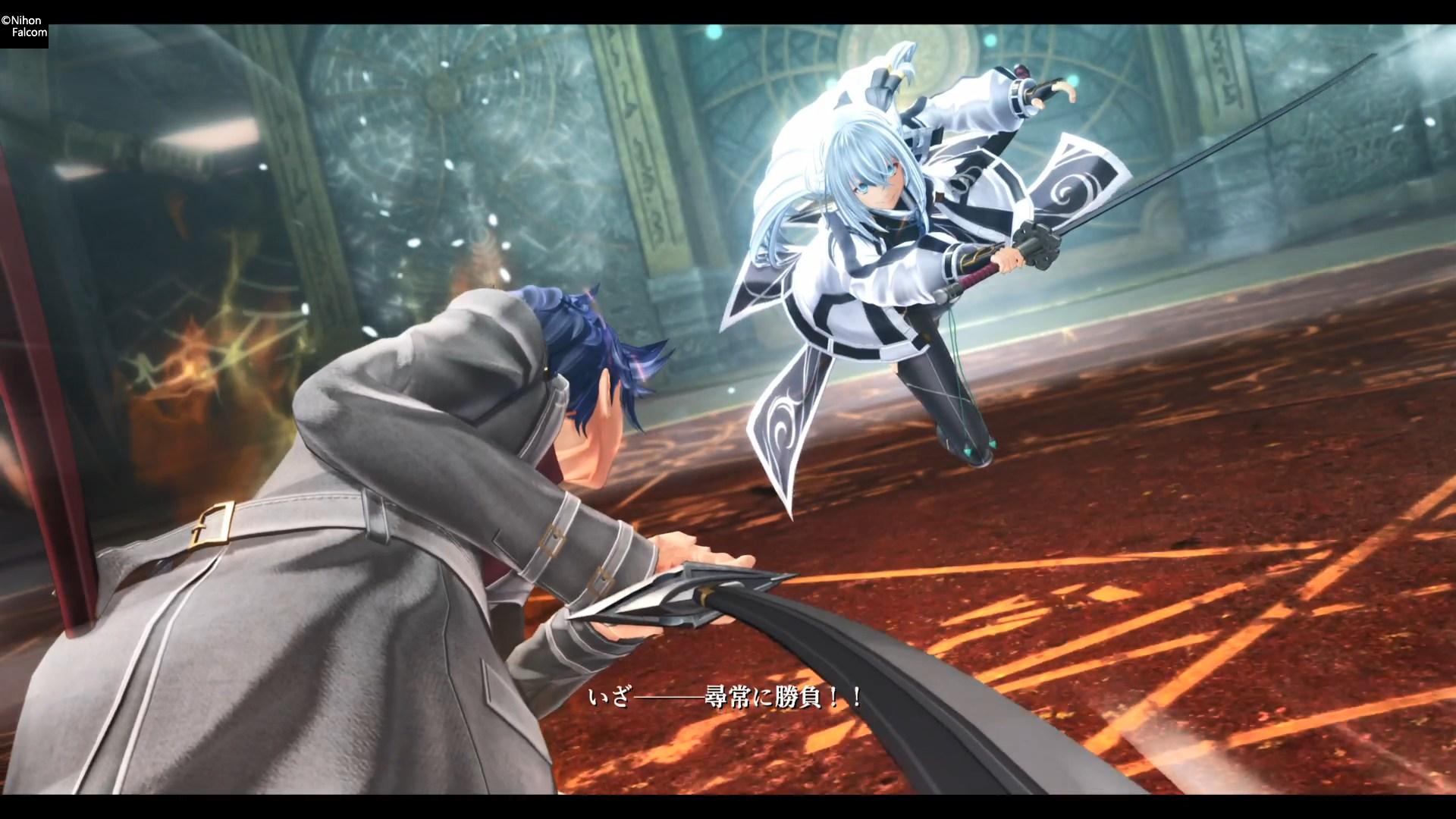
Having three distinct storylines helps Trails Beyond the Horizon to maintain the player’s interest throughout the game. The narrative content is far more varied, light-years ahead of Trails Through Daybreak II's redundant scenario. More teams also means more characters, with Altina, Fy, Crow, Towa, Rufus, and Lapis all returning from the Trails of Cold Steel universe for tons of new character interactions. Each part cleverly blends major lore elements with a delicious sense of humor in everyday life scenes. Now that I’ve cleared the game and can fully reflect on it, and overall I think it's an extremely rich adventure, with plenty of fun and epic moments. Rean’s meeting with Shizuna and his long-awaited face-off against his master was perfectly handled. You also learn a lot more about your favorite characters and the reveals are mind-blowing.
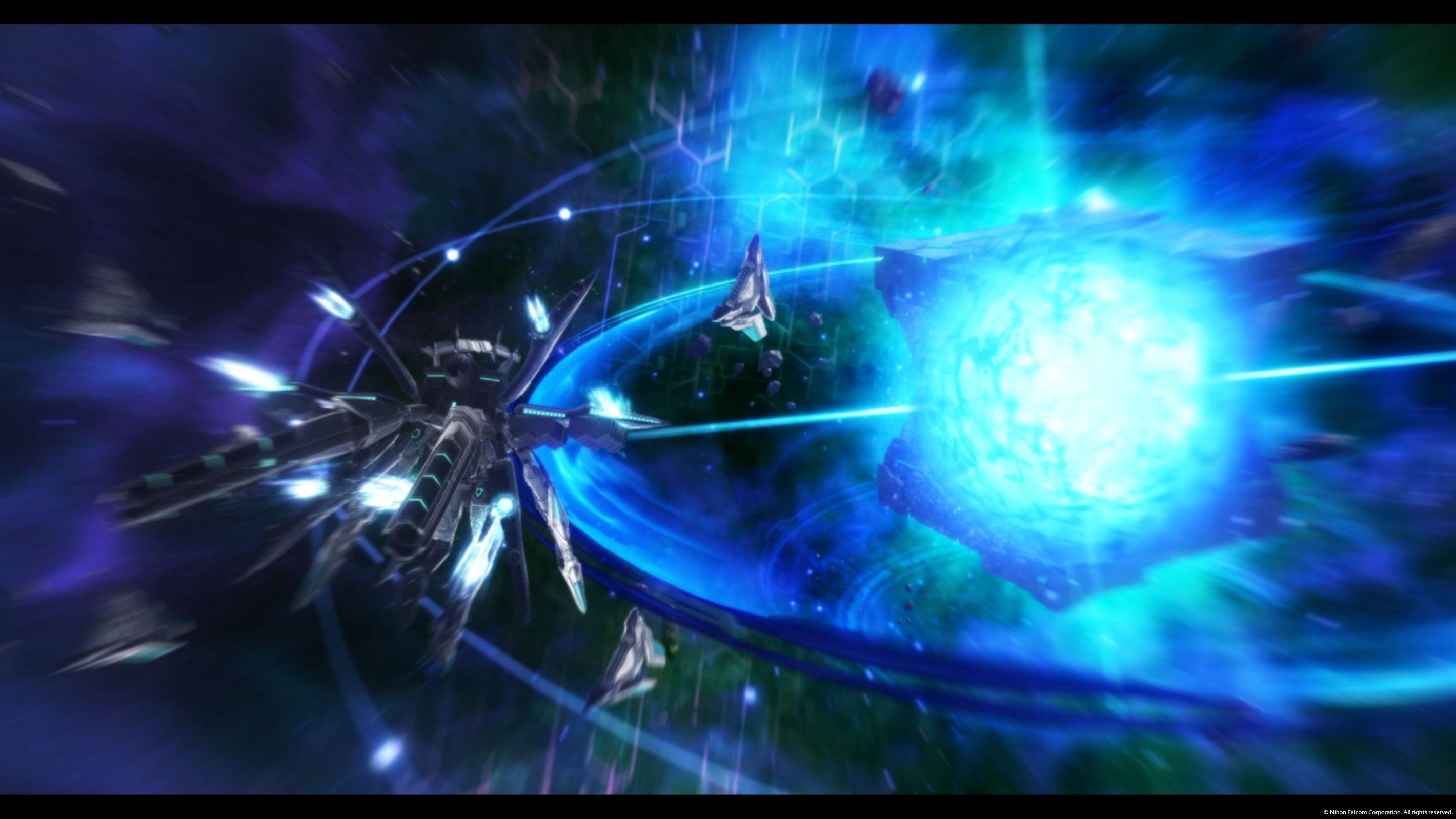
The space part is genuinely amazing but comes very late in the story and isn't that significant gameplay-wise. It took me a little over 100 hours to clear the game and I flew into space at roughly the 95 hour mark. That underlines the usual pacing issue that tends to hinder Falcom’s titles. On top of that, a lot of side quests hold very little story or gameplay value, and you can’t really just skip them entirely either since it affects your ranking at the end of the chapter. Also, some mandatory quests felt like side quests, due to their relative lack of importance to the narrative, and these parts are very boring.
I’m still inclined to think that Falcom could cut a lot of these quests, save the players’ time, and ultimately improve the experience as a whole. Given recent trends in the JRPG scene, many of Falcom’s fans (including myself) are now engaged in several free-to-play games at once and can barely cope with a 100 hour-long boxed game on top of that. They're unlikely to drop those other titles overnight, just because the latest Falcom game is out, especially if it contains a lot of filler quests. Falcom must care more about the players’ time.
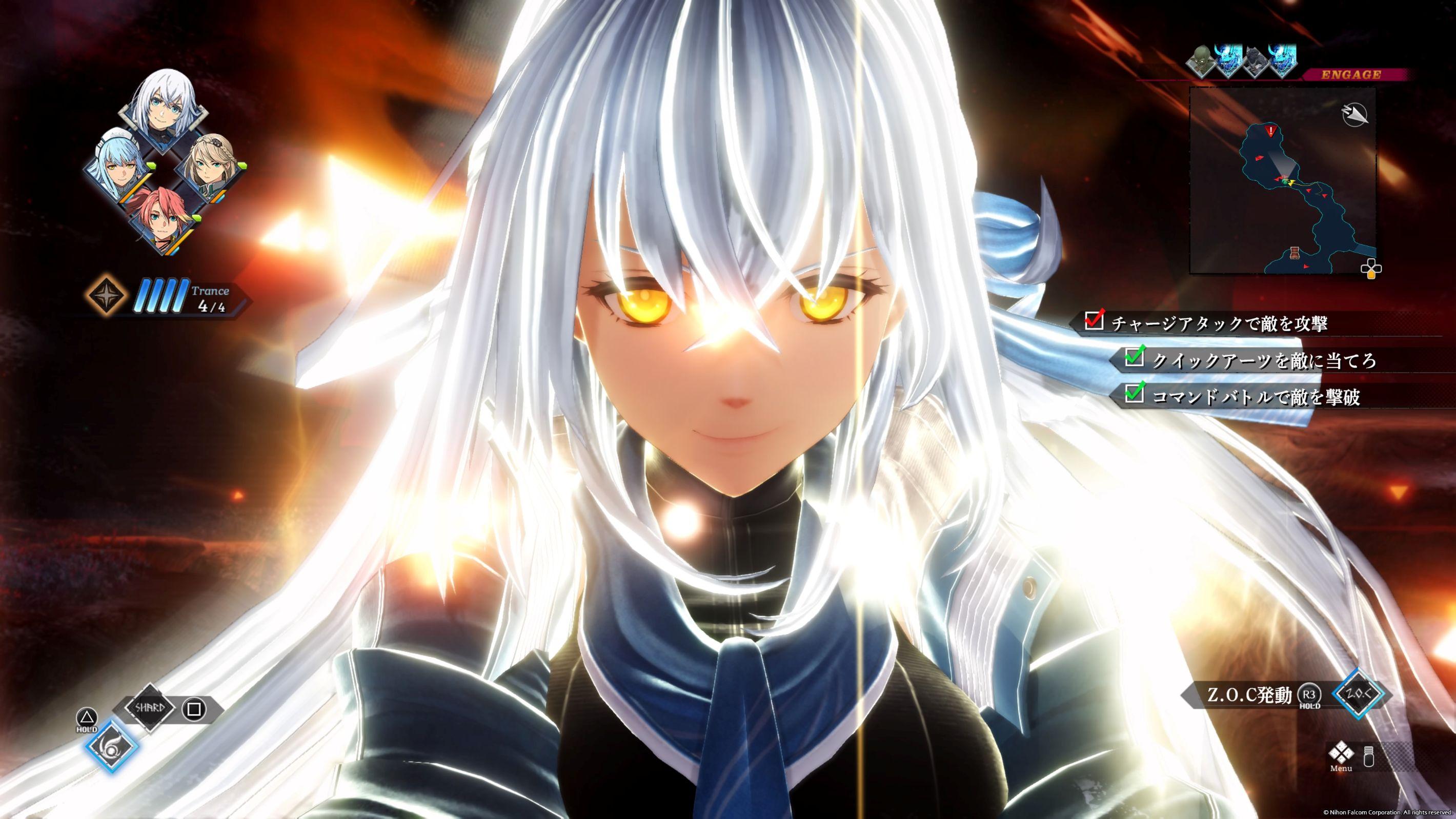
It's no surprise that the battle system retains the mix of action-RPG and turn-based gameplay that's been in use since Trails Through Daybreak. This means that when exploring dungeons, your active character attacks with combos and magic in real-time, and also has to evade enemies’ moves in real-time, but you can change to turn-based mode at any point with a simple button press. For this entry, the action gameplay has been significantly improved. An option called ZOC allows you to freeze the action for a few seconds and chain critical damage. Even better, Shizuna, Rean, Judith, and Kevin can now awaken their superpowers during the action part, considerably boosting their damage output. Alas, Lapis not being playable came as a real shock for me, since she had such cool moves and animations in Trails into Reverie. Regardless, these two possibilities combined save a huge amount of time and make the action gameplay far more exciting, to the point it now feels like more than just an option to save time.
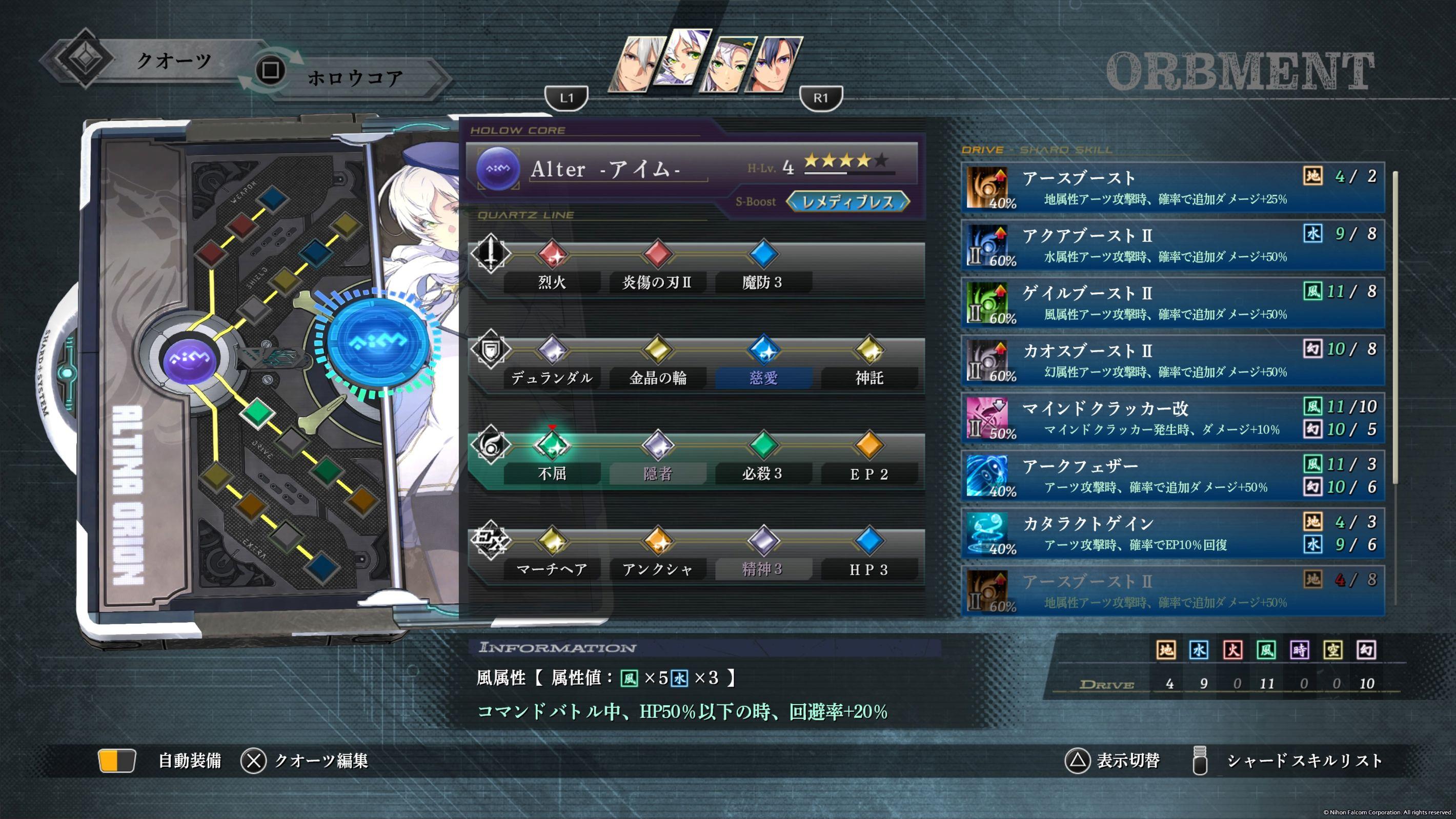
Of course, you'll fight your fair share of turn-based battles too, not least because that’s how all boss fights are conducted. The outcome of these battles depends a lot on how well your characters are equipped. Quartz are materia-like gems that can be inserted into each character’s phone in four lines. They’re divided into different rarities and elemental types, with rarer quartz granting bigger advantages in battle. The rarest ones, besides having cool names, give massive stat boosts as well as monstrous perks, like reinforced skill damage or better healing. Plus, combining certain elemental types within the same line results in powerful passive abilities, like counter-attacking or auto-buffs, so there’s a nice puzzle side to it as well. Collecting quartz is an addictive game within the game, and building up your characters feels tremendous.
But there’s a downside to this: given there are so many playable characters on distinct paths, you simply can’t build up everyone well enough. Rare quartz are indeed rare, so you naturally give those to your favorite characters, leaving only common quartz for those you like less, and boss fights quickly become annoying with weaker teams. In my case, I struggled immensely on Kevin’s path, because his team is my least favorite, and that affected my enjoyment of the game on the whole. There’s the option of unequipping everyone else, but I think that’s an impractical solution given the number of times you have to switch from one team to another.
In the end, I think that Trails into Reverie’s concept of having three separate paths and teams isn’t such a good idea: it forces you to play with characters you might not be interested in and raises the difficulty level in an artificial way, because you’ll never have enough resources for each team.
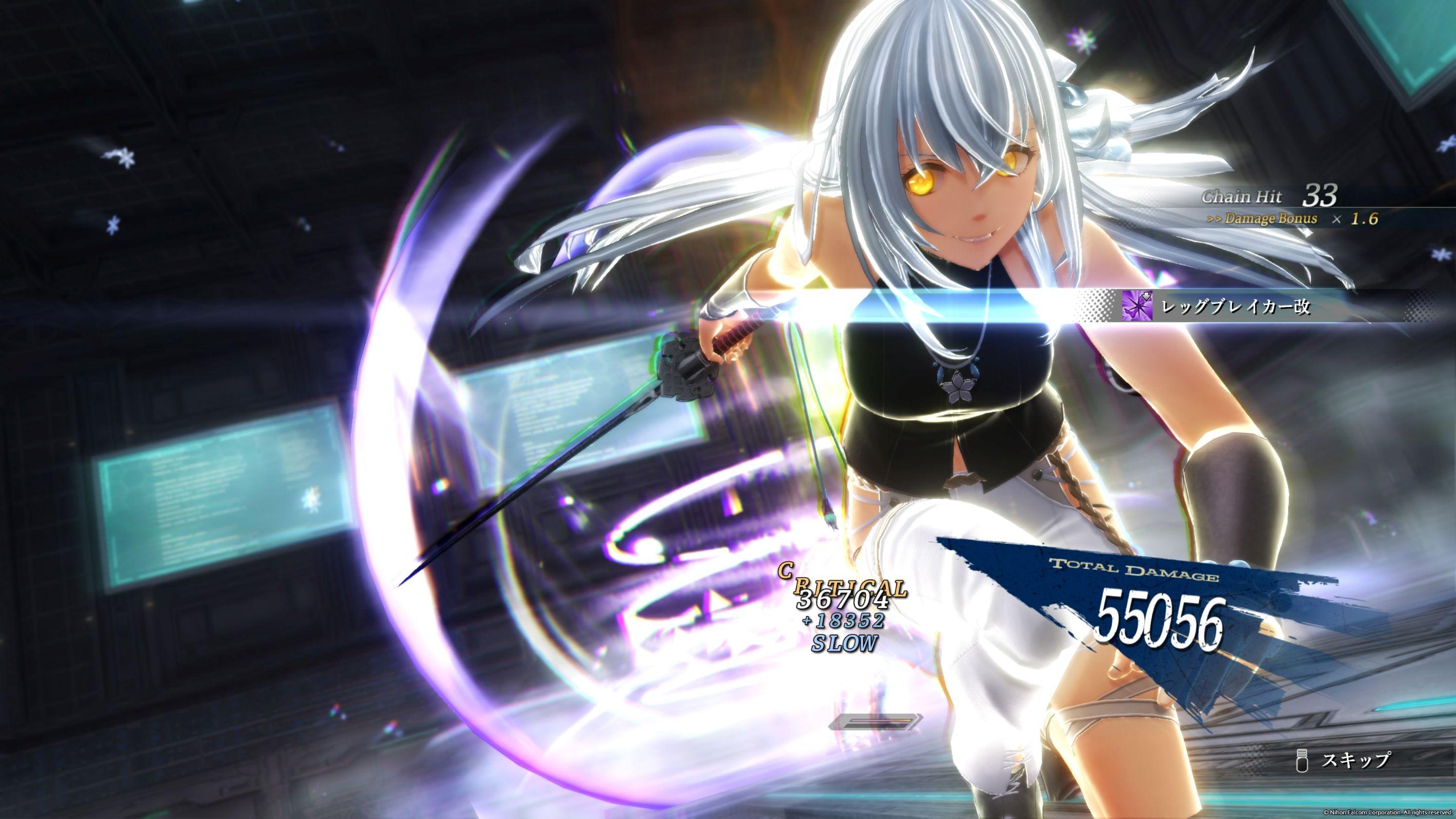
The turn-based fighting itself is really satisfying given a number of additions made for this entry. As mentioned previously, numerous playable characters return from past entries with their attack skills, ultimates, and world map animations completely and beautifully remade. Altina’s moves are fantastic, although I regret that her ultimate is only defensive now. After all, she had two attack ultimates in Trails of Cold Steel IV. But the development team didn’t sleep on those existing characters either, since most of them have received striking updates in their attack animations as well, and the result is just bewitchingly gorgeous. In particular, the new camera work produces terrific results in making the action more dynamic, and everything has been tailored to fit the numerous in-game costumes for all characters. Even some of the new boss enemies are spectacular.
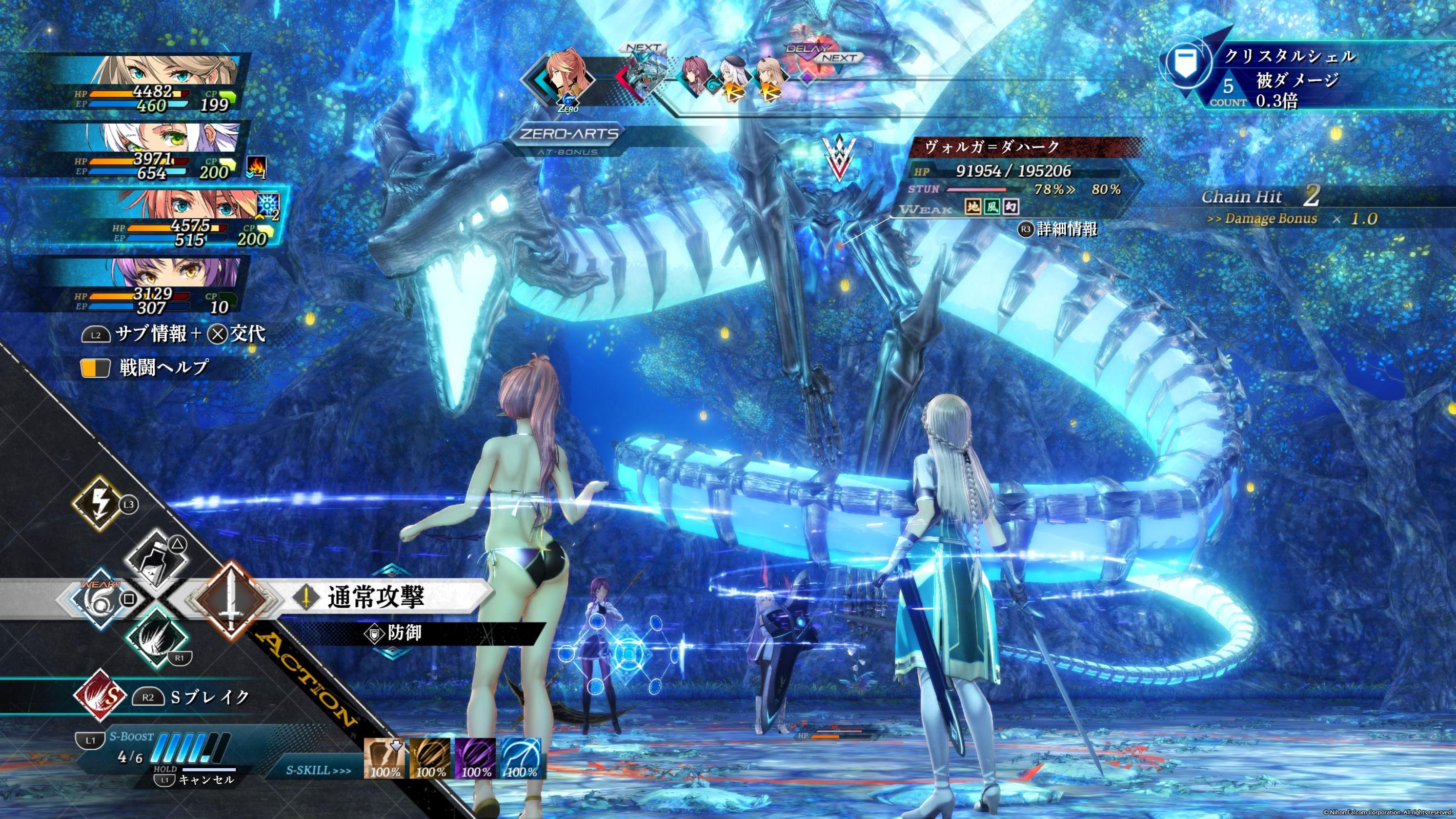
In terms of tactics, Trails Beyond the Horizon massively benefits from the return of the Orders mechanic from Trails of Cold Steel IV, now called Shard Commands. At the cost of some Boost points (generally used to activate ultimates), the player can deploy an advantage for the whole team, lasting a set number of turns. You can, for example, deal more physical or magic damage, but the most interesting Commands are the defensive ones, which heal you and can reduce incoming damage by 50 or 70%. This rebalances Trails Through Daybreak II’s blatantly broken boss fights, and it makes fighting feel great again.
I had a really great time with battles in this title because, despite the use of defensive Commands, the fights are still very tense, with lots of strategic choices to be made in order to withstand the enemies’ sometimes overwhelming power and speed. When it comes to speed, you now also have an advantage because ZOC applies to turn-based battles. If you use two Boost points in a row, your current character can act twice and at maximum power, including with ultimates. In contrast with Trails Through Daybreak II, Trails Beyond the Horizon really gives you an edge to emerge victorious, and that’s much appreciated.
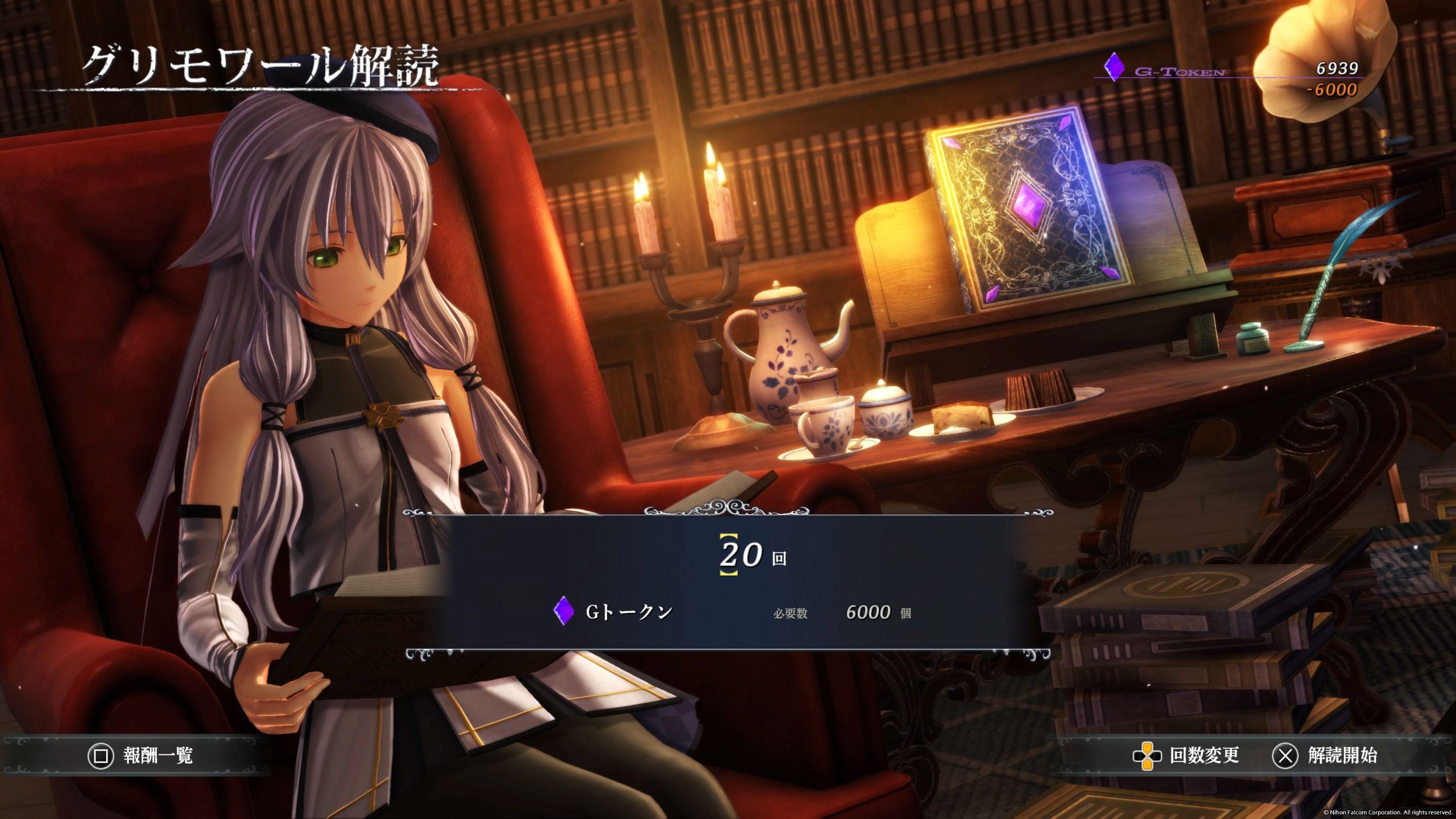
Last but not least, Trails Beyond the Horizon retains Trails Through Daybreak II’s most compelling feature: the permanent dungeon, which is now called Grim Garten. Unlike the main story, all characters can be gathered there and you can create a dream team, mixing characters from the otherwise separate Van, Rean, and Kevin groups. A new floor opens every chapter or so, featuring small maps full of fiends and very hardcore boss fights. I remember floor six being easily among the toughest challenges in the entire game.
In addition to the freedom given in terms of team building, Grim Garten is also incredibly rewarding thanks to the returning lottery-like mini-game, in which you can win lots of (extremely nice) free costumes, rare quartz, and other bonuses like music tracks (you can customise the music in every aspect of Grim Garten). In short, it's a sublimely designed permanent side quest with a high degree of freedom and challenge, making it very fun and well worth the extra time you'll pour into it.
The Legend of Heroes: Trails Beyond the Horizon is a very satisfying follow-up to a partially disappointing Trails Through Daybreak II. It has a much stronger narrative, dramatically improved combat, boasts great returning characters, delightful enhancements, and even more enjoyable side content in the form of Grim Garten. It’s worth every euro I paid - indeed, I'd pay twice the price for it, given the fantastic experience it provided. Given the dramatic cliffhanger at the end, I’m rather surprised to see that Falcom is going to spend two years remaking Trails in the Sky; I wager that many fans, me included, will be eager to see Van’s final episode.



About Us |
Terms of Use |
Privacy Policy |
Advertise |
Staff |
Contact
Display As Desktop
Display As Mobile
© 2006-2026 VGChartz Ltd. All rights reserved.


