







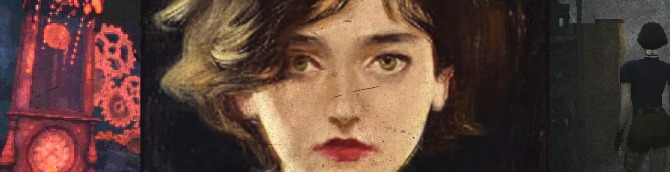
Heartworm (XS) - Review
by Lee Mehr , posted 11 minutes ago / 87 Views
"The more virgin our eyes are, the more we have to say. The most detestable habit in all modern cinema is the homage. I don't want to see another goddamn homage in anybody's movie. There are enough of them which are unconscious…." – Orson Welles at the Cinémathèque Française in Paris (1982).
One could only imagine his paroxysms of rage in seeing lo-fi horror games today. Though a strained comparison, the legendary auteur's annoyance taps into a legitimate tension about the nature of creativity. How much of your own voice is potentially diminished or distorted when reciting other works? Is there a balance to refashioning past inspirations in a way that feels nuanced and authentic? Director/Co-Writer/Composer Vincent Adinolfi has certainly wrestled with such questions since Heartworm's demo-scene origins – which released right before COVID lockdowns. Though the intervening years have now afforded a fully-fledged pastiche of early Silent Hill, Resident Evil, and so on, obsequious reverence to something carries its own risks.
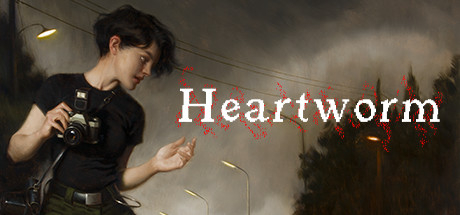
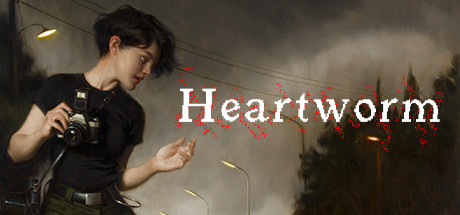
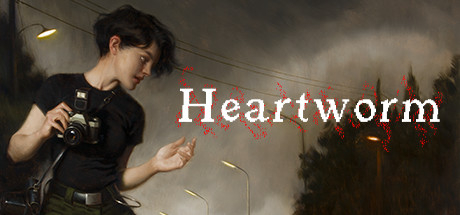
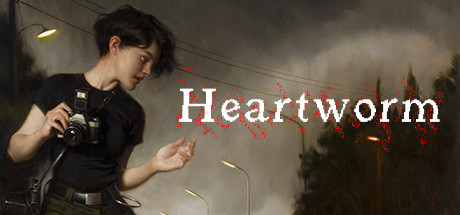
Though taking place in 1998, one can't help but suspect certain background details and motivations were influenced by the pandemic. Our protagonist, Sam, is horribly distraught over her grandfather's passing; worse yet, she's gone to the internet for help. One particular forum promises that a room within a mysterious mountainside house is able to contact the other side. There's a catch: no one who's ventured inside has ever returned. A chance to see her grandfather again is worth any risk.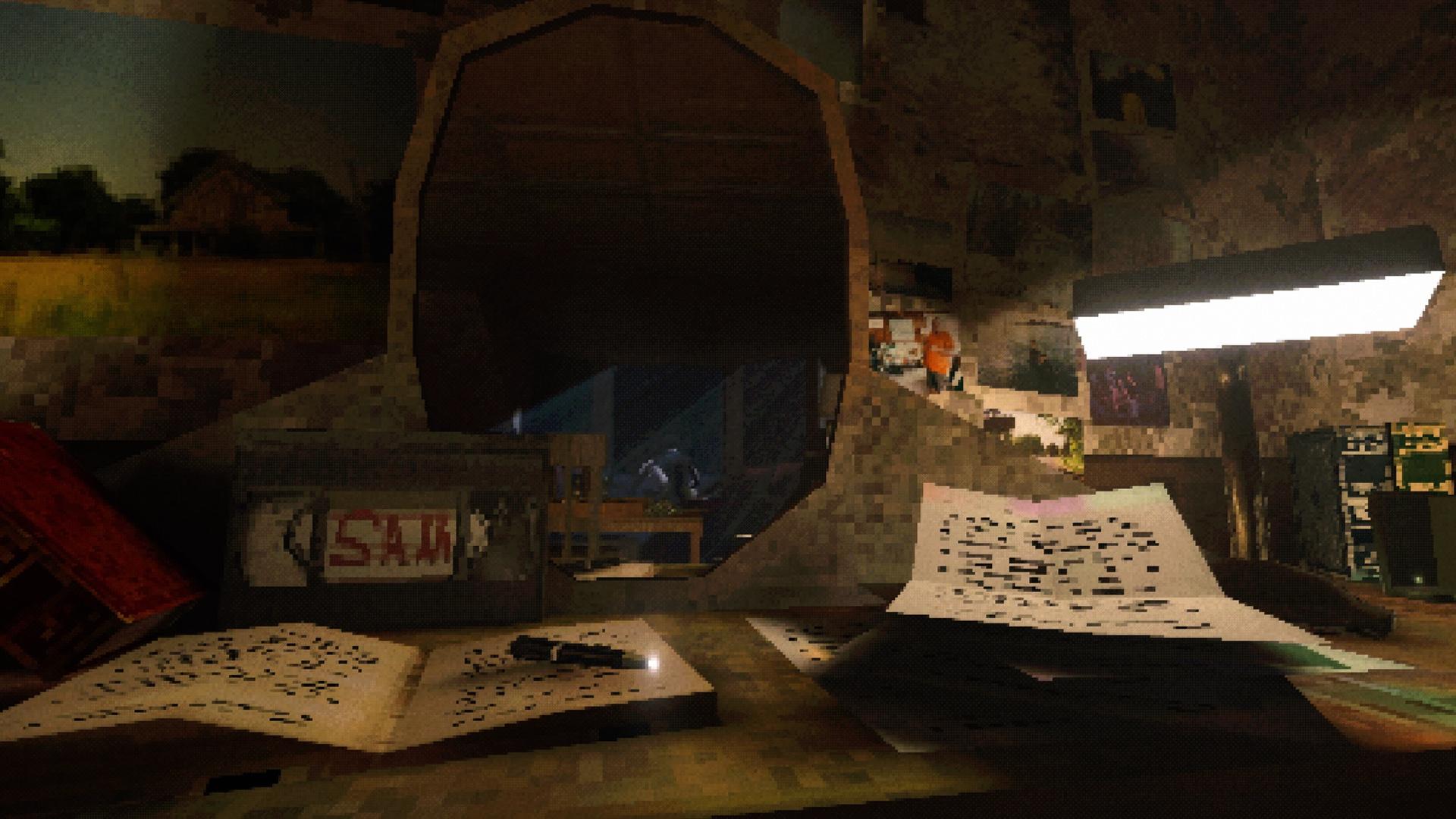
For a homage to survival-horror classics, Adinolfi initially plays with expectations. As the chat rooms described, her sojourn is out in the middle of nowhere with a few smoke stacks working in the distance; and yet, it's contrasted with golden-hour lighting and a… seen-better-days mini-mansion that any young adult would happily save towards. No feral hounds give chase either (not yet anyways). Tutorializing Sam's limited inventory starts with grabbing her film camera off of her yellow roadster, equipping it in the menu, and reloading it with film.
Inside is another thing entirely. The carpeted hallway is nearly pitch-black, which reinforces Sam's first camera trick: toggling its unlimited flash without spending film. It works as a way to properly orient her direction within darker areas while also adding atmosphere. The way in which it briefly illumines a small radius before fading out adds a different flavor from conventional game torches running on Dollar Tree batteries. Lighting seeps through most areas though, and the ever-faithful save room is the perfect type of smoking lounge/office to – hypothetically – light up one of Sam's cigarettes. Replace Resident Evil's typewriters with chunky CRT computers and Bob's your uncle.
After a few minutes of build-up and rudimentary puzzle-solving, the familiar gives way to the surreal as an internet conspiracy turns out to be right. A brief chase scene results in Sam being whisked away to a lo-fi Dark Souls castle suspended in another plane of existence. There's no telling where she is nor any company nearby, aside from a ghost at the nearby chessboard. A few things from the real world have spilled over to this hub – save computer among them – but whole parts of Sam's memory have poured into its segregated levels.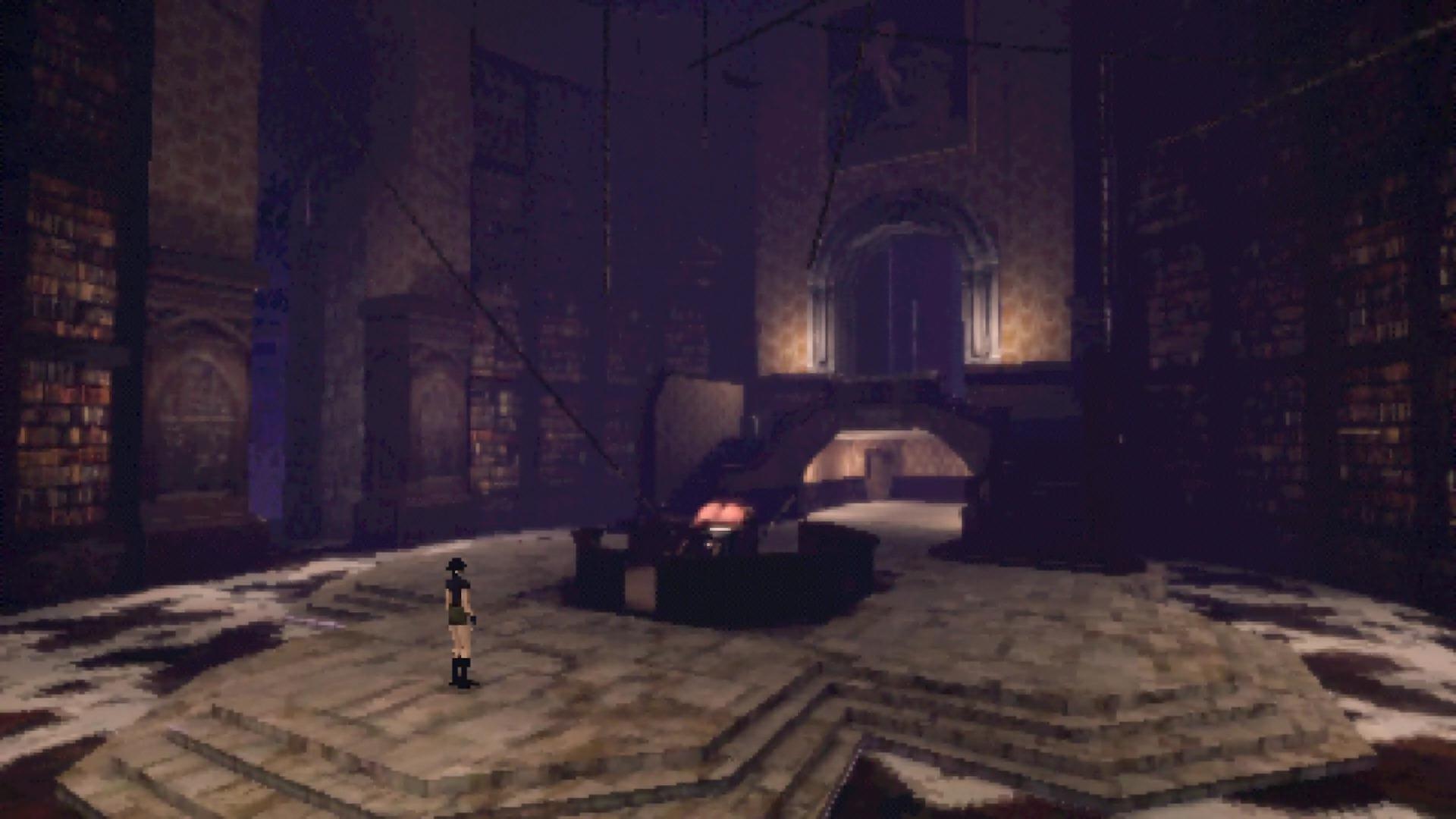
Silent Hill-esque logic comes out roaring as Sam returns to a memory and is flanked by… TV static in human form; imagine someone wrapped in green screen material with snow effects added in post. Fortunately, snapping analog photos is akin to firing bullets in this universe. Notch by notch, Heartworm's survival-horror rhythm starts taking shape. Other static monsters either roam around these streets or within certain locations; standard ones like to use static 'flies' to temporarily make Sam move at a Wackowski crawl, while special reds can disappear and still throw fists. Acclimating to this while disinterring clues for puzzles dotted across the map initially feels rewarding, but that's more thanks to the presentation than design.
Two-story suburban townhouses and gigantic, dream-like clock towers feel more surreal when rendered in low resolution. It's grown into something of a cliché for indie survival-horror, but Heartworm's audio/visual design ranks among the upper echelon in that specific clade. Accomplishing that doesn't merely come from having the crunchiest pixels, great lighting effects, or whatnot; it's from capturing and building upon a specific tone. Sometimes that pursuit gets in the way of functionality. Certain camera angles zoom so far out that it's difficult to gauge Sam's place. Sometimes it's better to stay simple.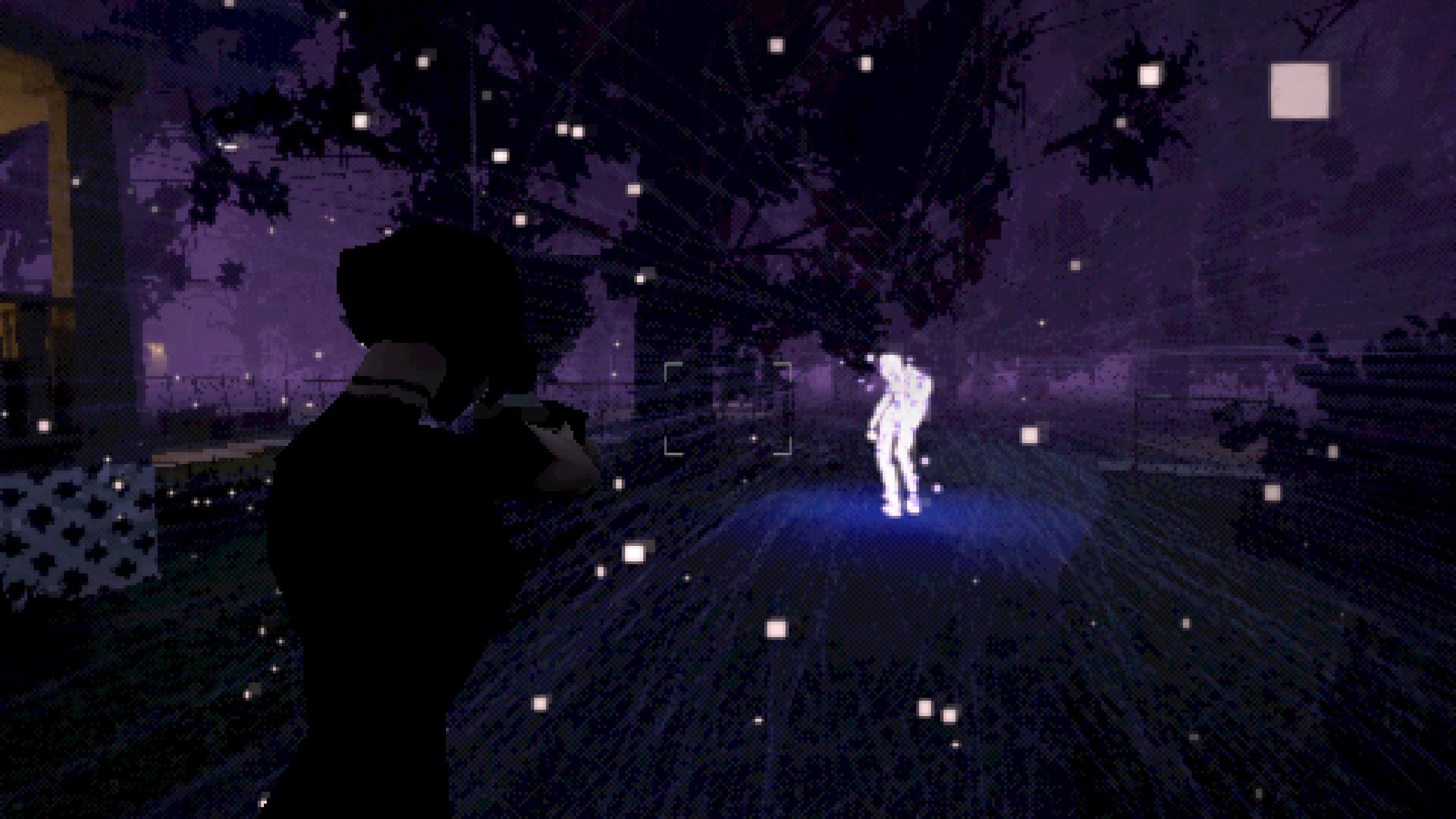
Sadly, its Achilles' Heel stems back to overcomplicating things via mechanical flexibility. Selecting either character-directed (tank) or camera-directed (modern) movement is quite typical for these retro revivals, but two different aiming setups is something else entirely. Like many modern action-horror blockbusters, its modern template whips to an over-the-shoulders perspective when aiming Sam's camera – complimented with an analog UI reticle; on the other side, its tank template follows the isometric tradition of fuzzier hit detection boundaries. As someone who opted for the latter on its higher difficulty tier (first playthrough), I can't immediately recall if Sam can aim up or down – as with modern – because it wasn't necessary.
The real snare isn't so much with different reflexive expectations but rather designing for the lowest common denominator. Although tank controls & fuzzier aiming recapture nostalgia of ye olden days, combat, exploration, and puzzle-solving have to accommodate for it. Titles like Sorry We’re Closed or Crow Country stick to a singular baseline and craft creative challenges with that in mind. You can't juggle two unique foundations and expect to fully explore either of their creative potential; hell, even incidental things – like photographing collectible opossum plushies – subtly reinforce the suspicion that tank aiming was something awkwardly welded on later in development. Beyond mere quibbles, it speaks to a greater sense of indecisiveness altogether.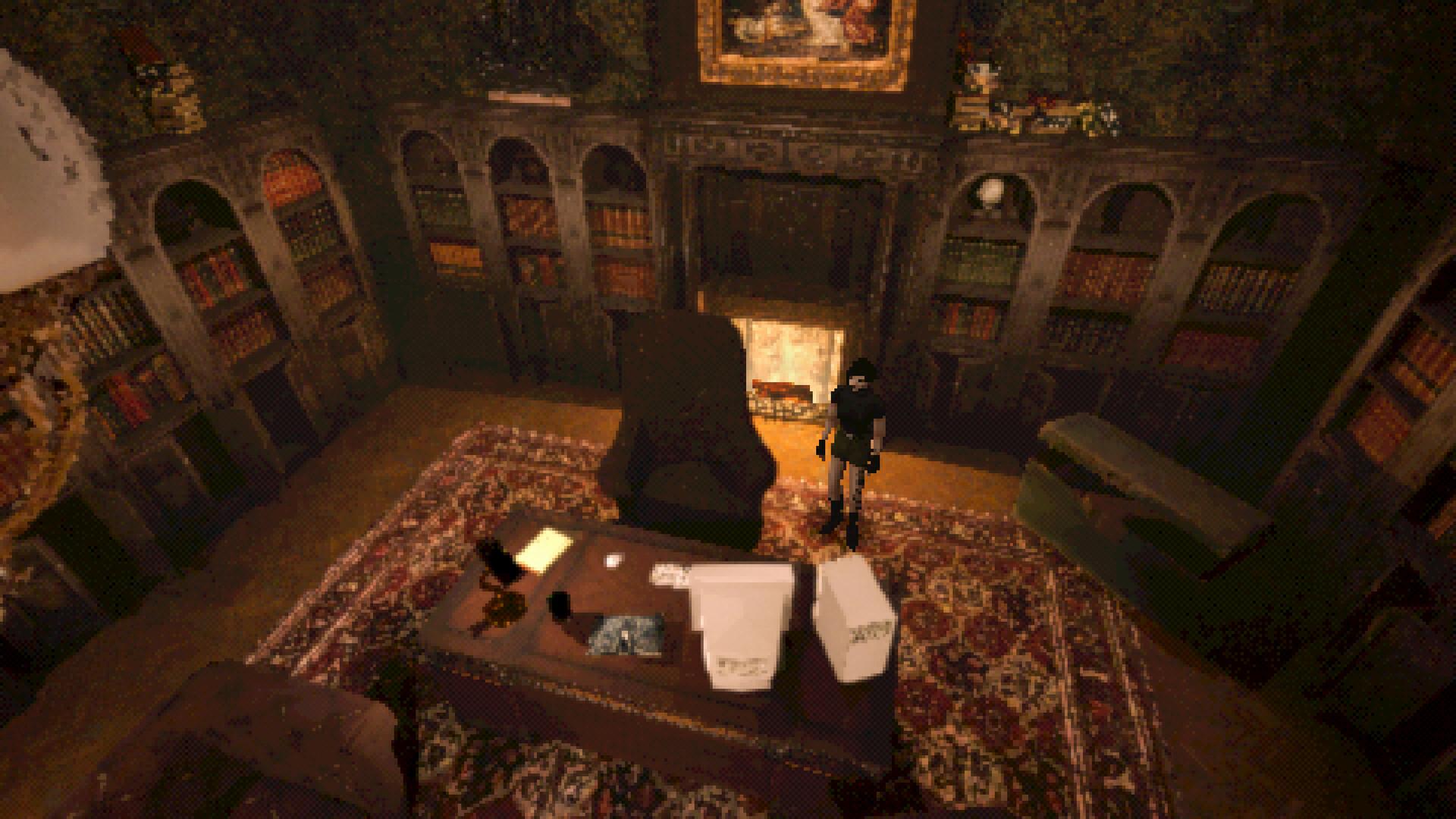
The more one considers, the more awkward this juggling looks. Neither Normal nor Challenging difficulties find a good balance for their respective claims, but for opposite reasons. Challenging only lives up to its name artificially. Scrambling about the last level consistently on low health whilst searching everywhere for first aid items became an unnecessary test of patience. Save rooms will provide extra film ammo now and then, so to be consistently stingy with health drops is obnoxious. There's a difference between hard and punitive. Conversely, Normal is overly generous to the point of parody. Exclusively awarding the chance to increase Sam’s backpack two extra slots is a sensible idea; that doesn't mean you have to litter health items everywhere.
That sense of early indecision also reflects in its tone writ large. Tighter corridors can capture early Resident Evil's fight-or-flight tension, but it's quite easy to run around sparsely-populated open areas. One could argue that's oftentimes the point, as though these ambling enemies are lost souls instead of manifestations of evil set out against Sam. But even with faster dogs, it's not difficult to simply avoid them whilst going from point A to B. At times, Heartworm seems to be yearning for a more melancholic time with an emphasis on puzzles than a survival-horror homage; discomfiting rather than terrifying. Of course, that goes out the window once the boss fights come around, replete with campier action-heavy cutscenes.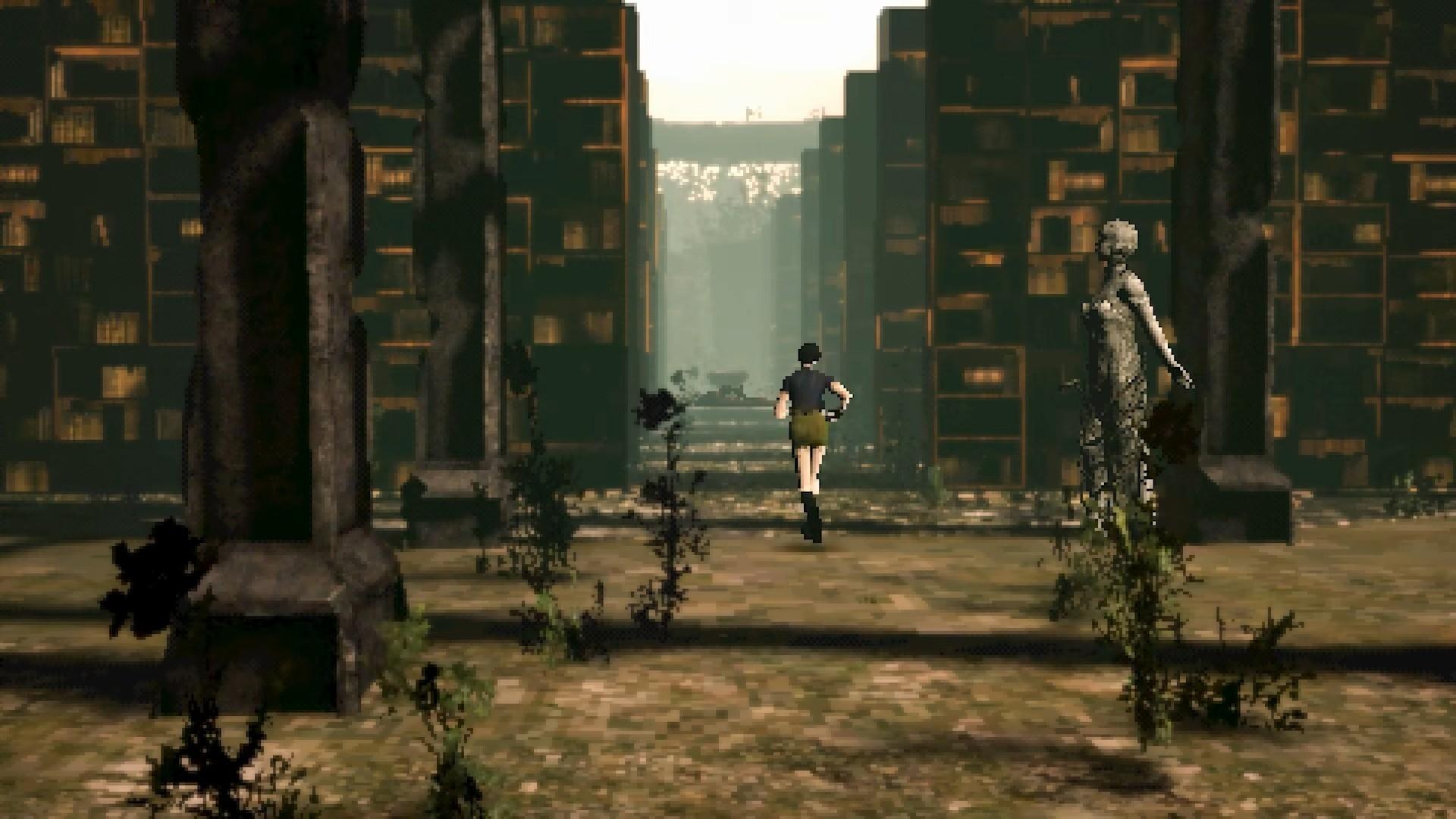
In essence, Adonolfi, M Hart, & Yves Searle wanted to have their cake and eat it. This isn't to say horror and action should be treated like oil and water, but rather where and when is just as important as the quantity. The backwoods level plucked from Sam's past is adorned with a wonderful evening sun – save a few darker segments – and her plaintive reminisences of what this place means to her; and yet, it's excited to throw more enemies out of misplaced genre obligation; plus, it's harder to appreciate any thematic intention when their successful hits come from clipping through level geometry or stun-locking Sam in place.
It's also harder to engage with Sam's lugubrious monologuing when M Hart's line-reads sound about as dull as Harrison Ford’s voiceover in Blade Runner. Now, granted, there's obviously creative intent behind her trying to reproduce 90s-era game acting with more… prosaic dialogue. The problem is it rarely captures the charm or character of yore; it's not easy to add much flavor for what's ostensibly a one-gal show, and she has to play "the straight woman," so to speak. Apprising the player with a decent backstory can only go so far when there's no one else to work with – outside of a certain ending.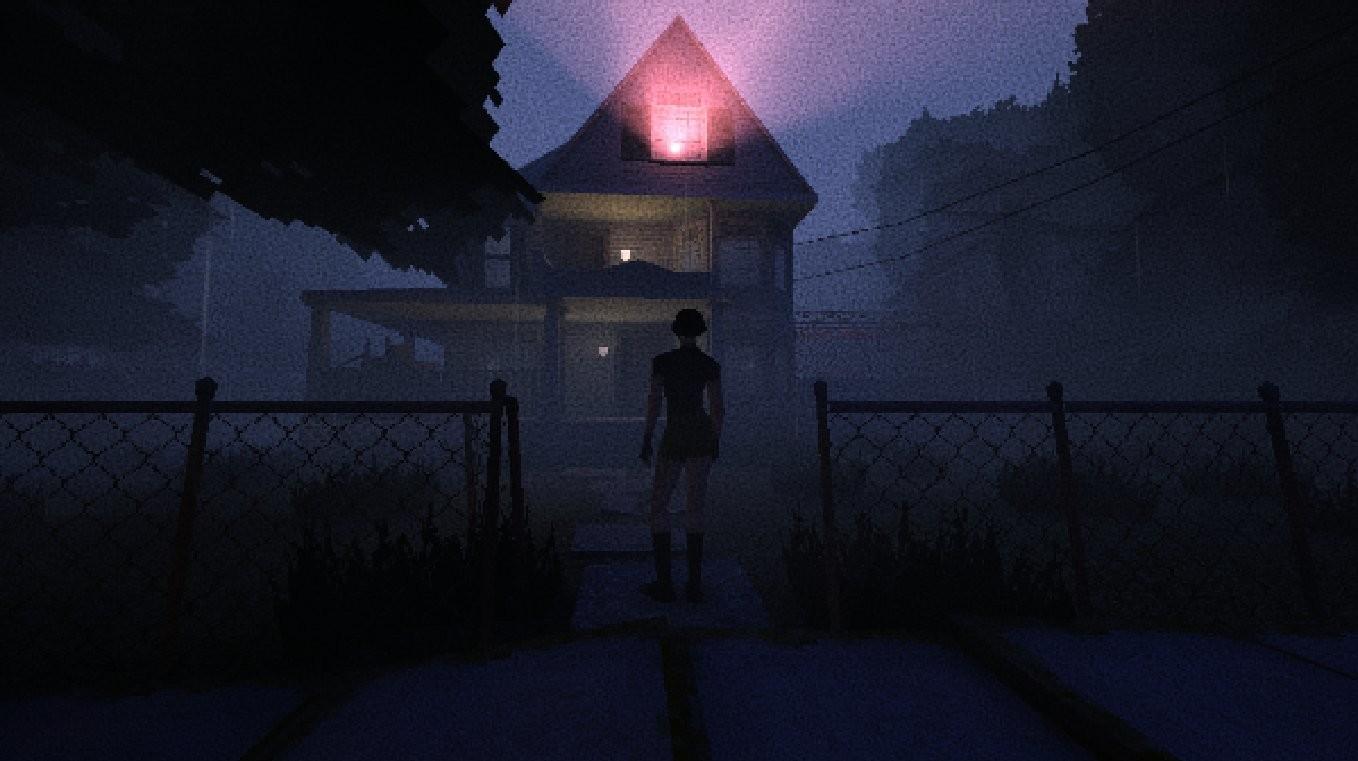
Flying solo is also tough for storytelling by potentially tumbling into "and then this happened" over and over; granted, that's partly ameliorated through standard survival-horror trappings: "this important room is locked, therefore find the key needed to unlock it." A solid puzzle foundation that demands thorough exploration does that while leaving story breadcrumbs alongside it. Though these gameplay cogs often connect, the story proper is more about Sam moving along with a few "but, therefore" speed bumps. Dealing with mortality is a wonderful theme to explore, but her reaching important revelations isn't properly fleshed out. Even the final boss feels anticlimactic because there wasn't any previous buildup.
For whatever critiques come into focus – storytelling, gameplay, or otherwise – Heartworm nevertheless has an earnestness that seeps out of its code. As the curtains close, it's easy for me to feel as conflicted as the game itself. In trying to accommodate two specific foundations, it over-extends when it should've narrowed focus; conversely, by simplifying its narrative goals, any messages about wrestling with mortality feel one-note. But the thing about any positive or negative here is how wedded it is towards admiring the giants whose shoulders it stands on – even to the point of copying parts of their level design or acoustic themes. Orson Welles would have choice words directed towards me, but he's not here now, is he?
Contractor by trade and writer by hobby, Lee's obnoxious criticisms have found a way to be featured across several gaming sites: N4G, VGChartz, Gaming Nexus, DarkStation, TechRaptor, and Cubed3! He started gaming in the mid-90s and has had the privilege in playing many games across a plethora of platforms. Reader warning: each click given to his articles only helps to inflate his Texas-sized ego. Proceed with caution.
VGChartz Verdict


5
Acceptable
This review is based on a digital copy of Heartworm for the XS