
Worlds Apart: Why We Love Tales of the Apocalypse - News
by Daniel Share-Strom , posted on 29 August 2011 / 5,589 Views
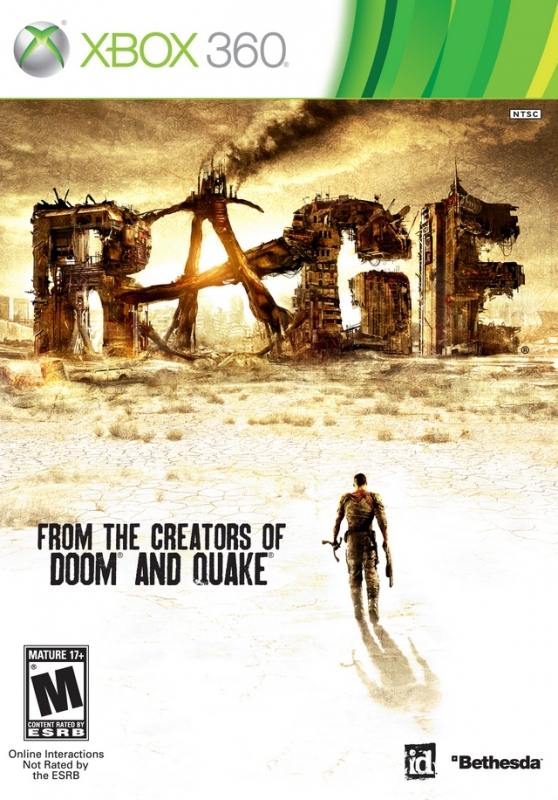
"Dank, humid wasteland stretches for miles in every direction. The decrepit settlement is the last remnant of civilization for the survivors. Makeshift houses fashioned out of scrap metal groan as they lean unevenly in the howling wind. Over here is a general store of sorts selling premium goods like used t-shirts, old running shoes, and beer that is likely tainted by radiation.
And there? On the outskirt of the wasteland, a medical canopy keeps the blazing sun off the sick and injured. The one nurse who made it to the area is tired--bone tired.
The commune is built around a water-filtering station—relatively intact but with its equipment weathered due to lack of proper maintenance. If only the lake wasn’t contaminated. Anyone who ventures too far from the dilapidated colony will die, if not from thirst then from disease, looters, or a wild animal attack. Hunters return with their daily kills, but the food supply is short—soon there will be nothing, and no one, left.”

According to popular media, Future Earth will look something like this.
With such a bleak scenario depicted, why, then, are we so drawn to post-apocalyptic worlds? After all, much of contemporary fiction examines what the world might look like after ‘the big one’—nukes, zombies, meteors, or anything else that might annihilate us as a species. From Cormac McCarthy’s seminal, introspective novel The Road to the revered acting talents of Will Smith in I Am Legend, when it comes to science fiction, few subgenres have as wide appeal as the one that depicts the last vestiges of humanity inching its way through the aftermath of worldwide catastrophe. The day of reckoning, Judgment Day, the end of the world... whichever you prefer—we revel in envisioning the planet, and society along with it, destroyed and left to its own devices.
Video games are uniquely suited to transport us into these worlds, with titles like Gears of War and the Fallout series effectively making us participants in humanity’s struggle for survival. It could be that we all long to be free of the empty, often meaningless lives we live. At the same time, society has become so entangled by governmental and social rules that perhaps we welcome a simpler, deeper rooted purpose: ‘Fight or die.’
Essentially, we appreciate post apocalyptic fiction because these stories remove the unnecessary clutter that has befallen our world and remind us what it is like to be truly human.

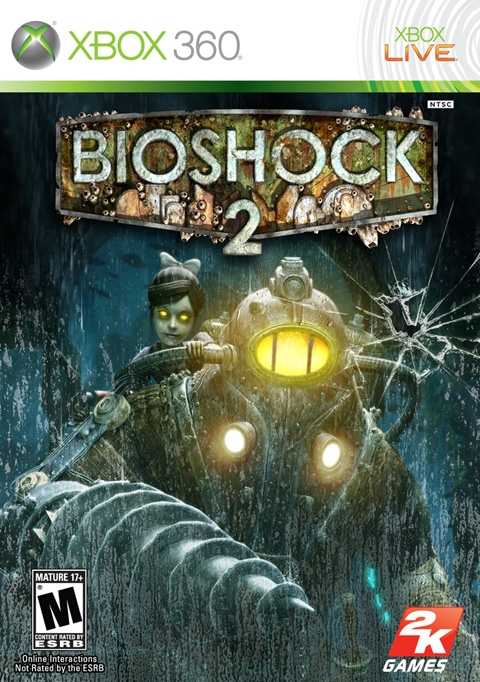
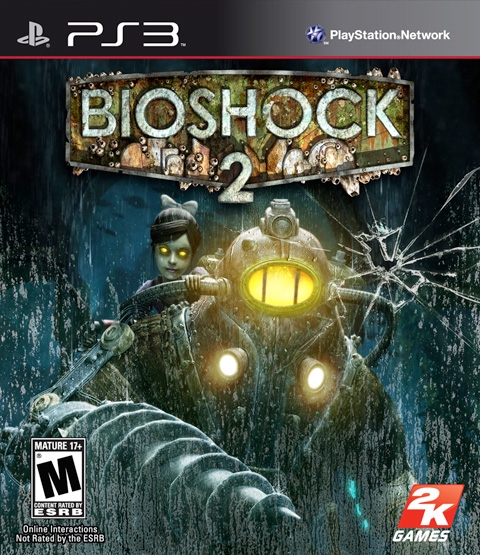
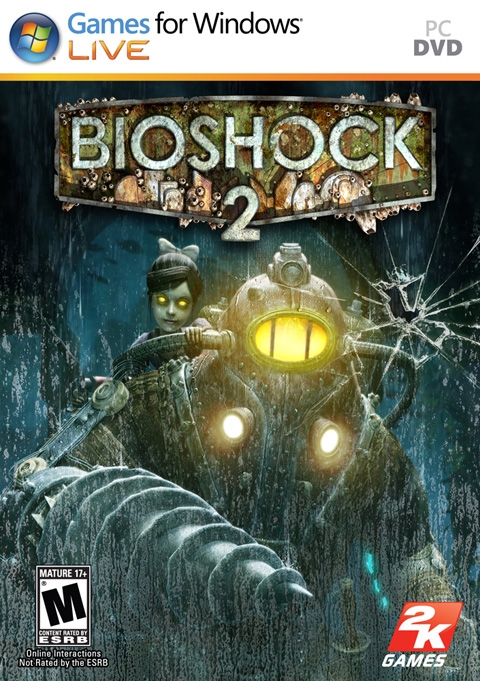
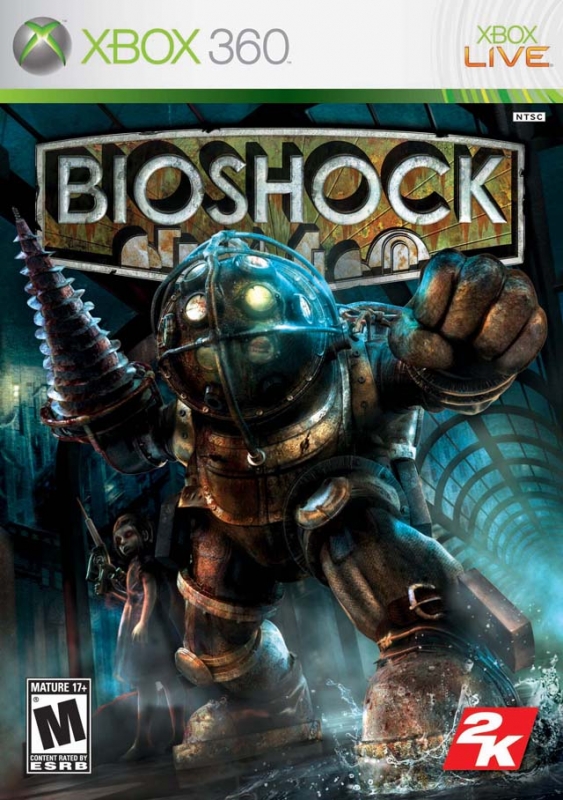
In Bioshock's morally-suffocated world, will you harvest this girl to gain more power, or cleanse her and save both your souls?
Allow me to explain using the celebrated words of the psychologist’s best friend—Abraham Maslow. Maslow’s hierarchy of human needs is used as a reference point for understanding what motivates people. He posits that we strive to satisfy each level of need before moving to the next. The types of needs are as follows, in exactly this order:
- Physiological needs (breathing, food, water, sex, sleep, homeostasis, and excretion)
- Safety needs (Security of body, employment, resources, morality, the family, health, property)
- Love/Belonging needs (Friendship, family, sexual intimacy)
- Esteem needs (Self-esteem, confidence, achievement, respect of others, respect by others)
- Self-actualization needs (Morality, creativity, spontaneity, problem solving, lack of prejudice, acceptance of facts)
Essentially, humans feel they must handle their physical needs first, before moving along the spectrum to their emotional needs. Most people living in the ‘civilized’ world have at least the first two needs, and often the third, near-perpetually satisfied. We have clean air, food, home, health, family, and the like. Therefore, we focus on the higher end of the spectrum—friendship, finding love, achievement, respect, and morality, among others.
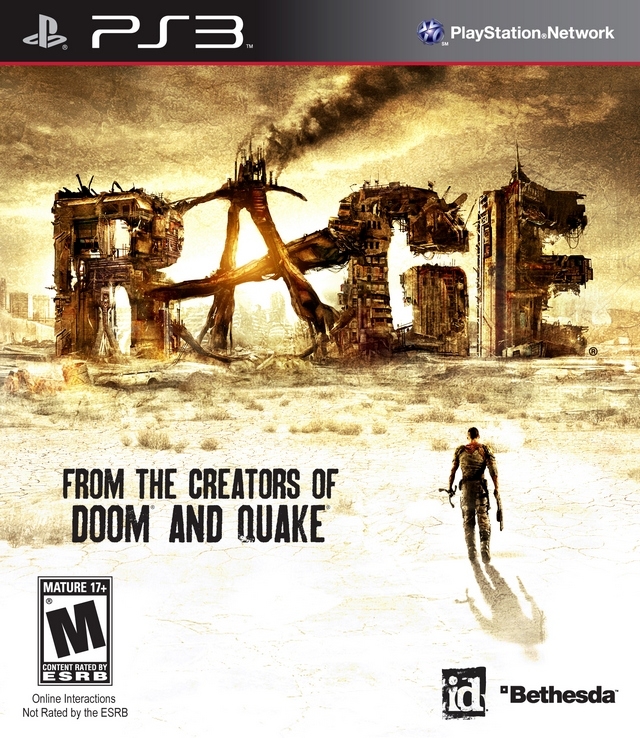
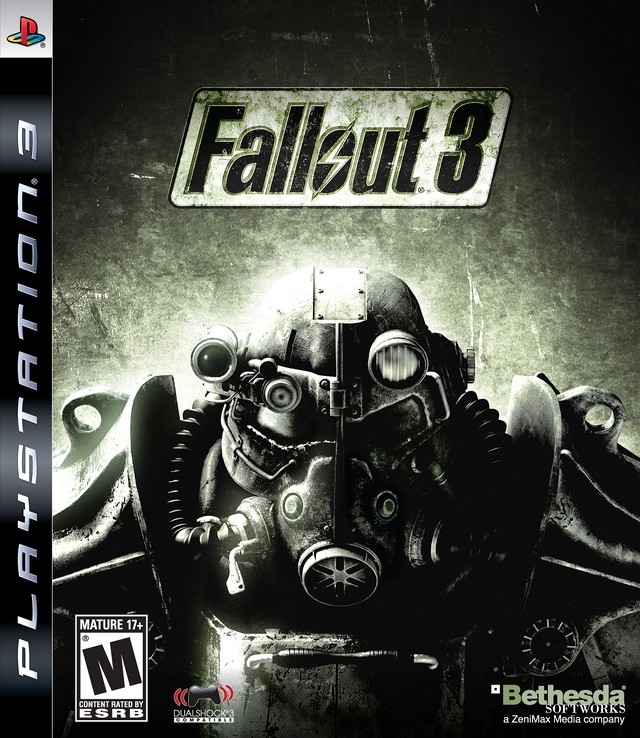
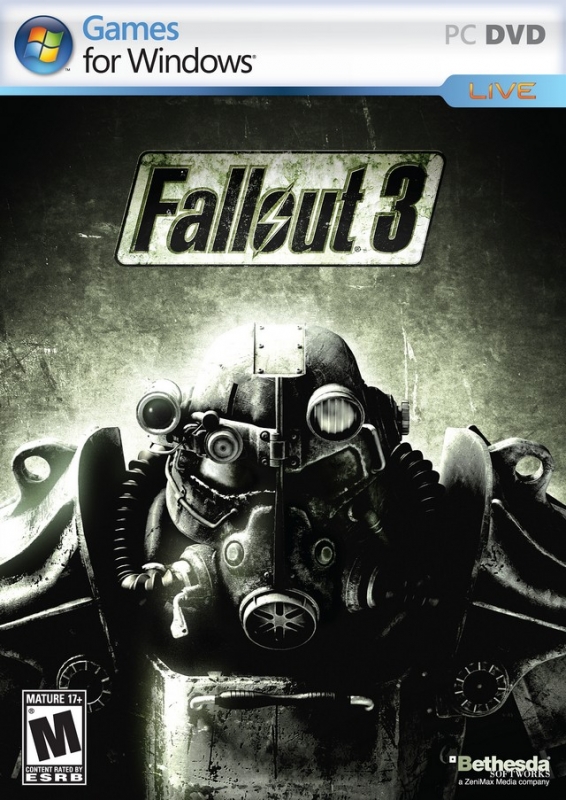
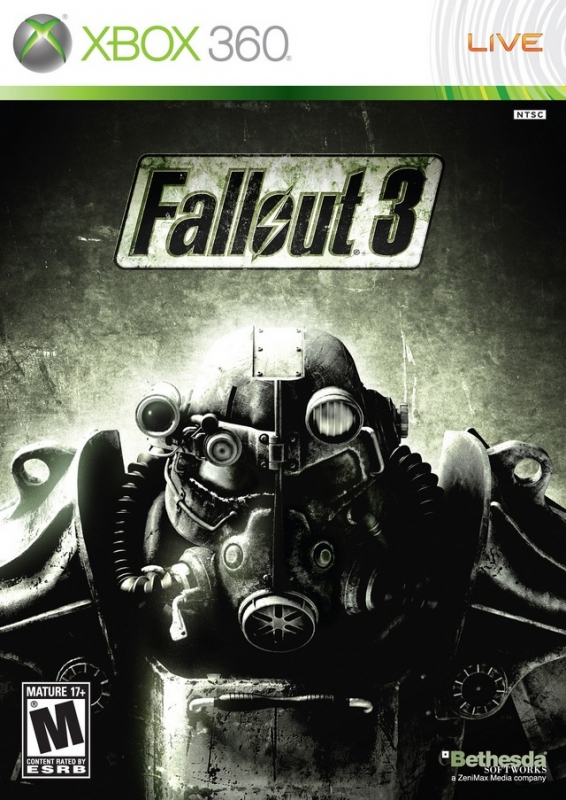
Seeing humanity from the opposite perspective—when its needs revolve around basic survival—fascinates us as we see just how far they are willing to go to meet those needs and what it says about our character as a species. Case in point: Fallout 3. A world filled with radiation, endless desert, mutated wild animals, and people trying to get by the best way they know how. There’s a settlement called Megaton, built around a large inactive nuke. These people have been hospitable to you, offering you cheap food and bed while regaling you with their interesting backstories. Then a man in black offers you a choice—if you activate the nuke, he will make you a very rich man (or woman). You will be able to buy ample food, guns, and other necessities, at the expense of every other life in town. Do you take the high road, reducing your own chances for survival so that others may live, or is self-actualization less important than your need to not starve? Presented with that choice in today’s comfortable environment, the answer to this problem would be easy. In this setting, however, the choice is much more difficult.

Can you blame Coach for not running through that fire to rescue Nick from zombies?
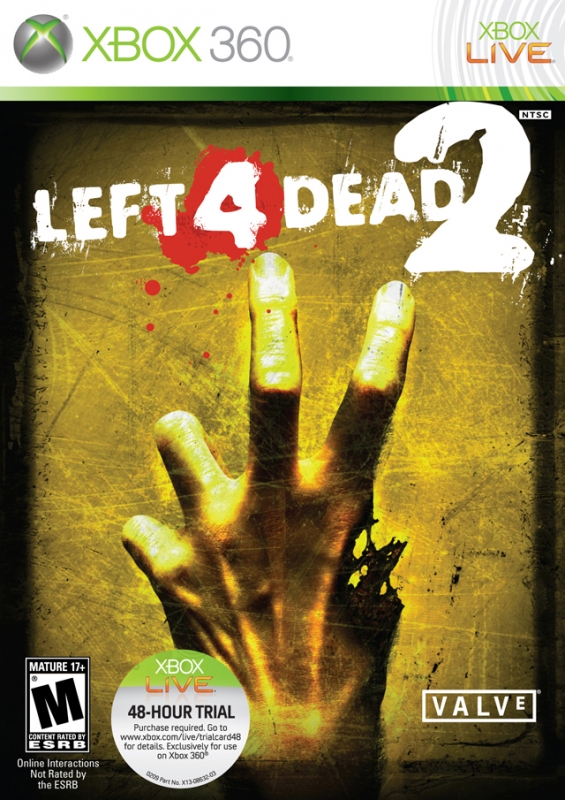
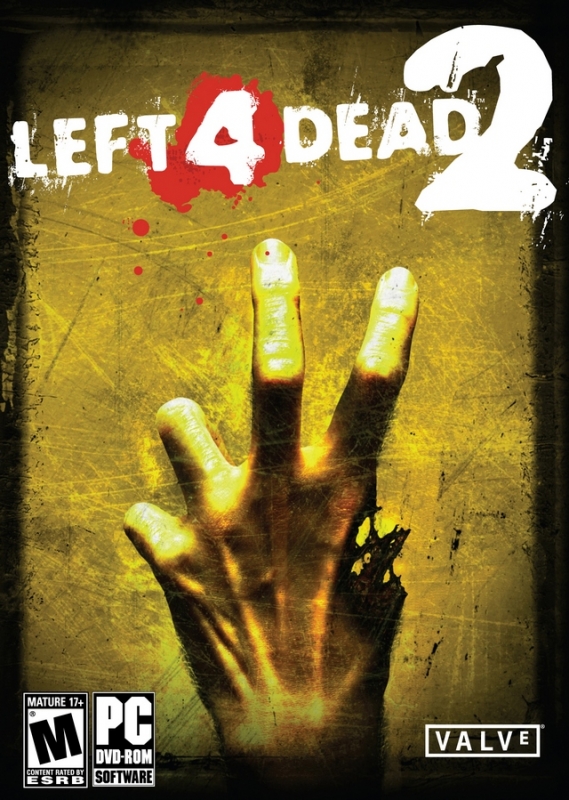
In some games, these kinds of choices are not even scripted. The Left 4 Dead franchise exemplifies these quandaries on a constant basis. The games place four players in the roles of survivors of a zombie apocalypse, and they must work together to fight their way through ravaged, enemy-filled environments to get to safe rooms. Several aspects of the game’s design make it nearly impossible to get through the areas without teamwork. For example, if you get pounced on by a Hunter enemy, there is no way to free yourself—you must rely on your fellow survivors to take care of the threat. Sometimes, however the person being attacked isn’t so convenient to save. Sometimes, your friend will have fallen far behind when they get attacked—do you go back there and risk getting jumped yourself, or press onward in an attempt to salvage what’s left of your group? The most telling situation is what often occurs when you finally reach the safe room (which is impenetrable to enemies when you close the door) only to realize that your friends are outside getting mauled by Chargers, Jockeys, Smokers, and a Tank for good measure. Do you leave the safety of your sanctuary to help them, if there is even a small chance they can be saved? Or do you sit there, watching the people who’ve helped you get this far get ripped apart in order to ensure your survival? These kinds of questions are at the heart of post-apocalyptic stories, and such moral quandaries fascinate us as a race.

Marcus and Co. are out to save humanity from going extinct. What have you done recently?
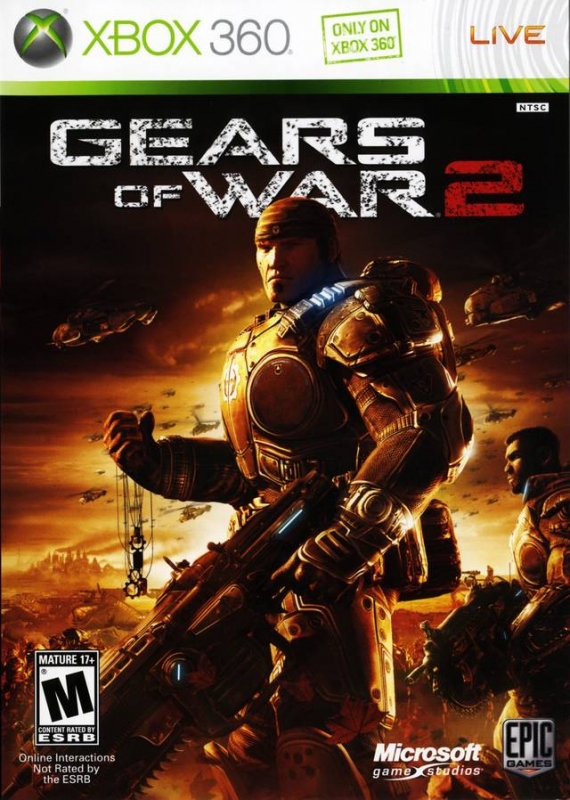
In some cases, our appreciation for destroyed worlds is even simpler. As mentioned previously, the average person in our society feels like their life has no purpose. Many of us don’t feel like we are working toward anything of consequence, and that the world would be no different without us. Moreover, the rules governing what we can and can’t, must and mustn’t do have become infinitely complex. Imagine, then, the simplicity (yet significance) of being handed a gun and told that every shot you fire contributes to the effort of saving the near-extinct human race. Gears of War may have a very simple story, but it’s an effective one nonetheless. Humanity’s numbers have been reduced to the thousands, and every desperate struggle against the Locust Horde increases our species’ odds of surviving another day.

When the world is quieter, it's easier to listen to our soul.
In short, we enjoy postapocalyptic fiction, in any medium, because it boils humanity down to its very basics. Gone are complex social rules, replaced with biting questions like ‘What matters more to you—your own survival or your friends’?’ These worlds make every life count in a way that our society left behind long ago. In today’s environment, we often think that we have nothing. Ironically, it is only when we see the world through the eyes of those who’ve lost everything that we realize just how much we do have. If there is one thing we can learn from stories that place humanity on the precipice of extinction, it is that every day we are blessed with life is a gift, and one we can never take for granted.