Are Publishers Mishandling Sequels? - News
by VGChartz Staff , posted on 17 August 2011 / 6,407 Views
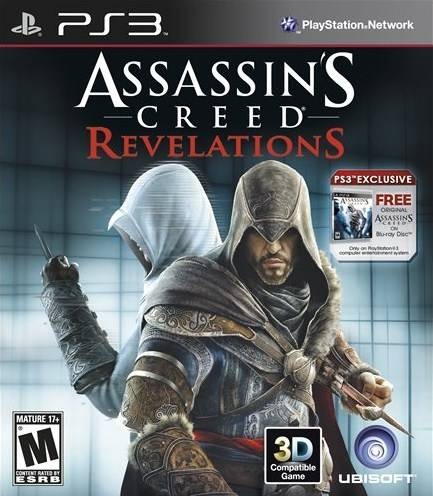
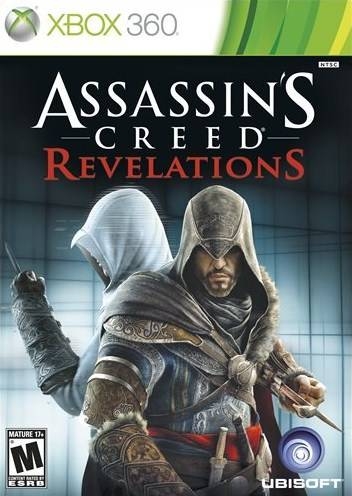
Sequels have been absorbing the industry as of late. Just look at the last E3. Plenty of sequels were found like Assassin’s Creed: Revelations, Modern Warfare 3, Uncharted 3, Resistance 3, Gears of War 3, and so on. Obviously, these franchises are big hits and companies want to keep pushing them. In the short term, it has been very successful with franchises over this generation, but the continuing development trends with these titles does seem to put the health of these franchises in jeopardy.
As of recent years, two seems to be the magic number when it comes to years a title stays in development, plus or minus depending on possible difficulties during development. This development time period seems acceptable for creating quality software that we can see in franchises like Call of Duty, Mass Effect and Assassin's Creed (though the latter has now gone to a shorter cycle). This timeline gives developers enough time to tighten the experience where the last title had suffered and add in features that may have not made the final cut in the previous title. Of course, some new features are thrown in here and there as well. Building off the foundation of its previous title, it makes a satisfying experience that not only reuses quality of the first title, but also builds upon it. It's like adding another level to a mansion. Despite the financial benefits, history has shown that this formula can only last so long.

What these titles usually end up lacking is a refreshing aspect. Sure, there are plenty of new features and do-dads thrown about in the title, but there's rarely that aspect that gives an entirely fresh feeling. So, hardcore gamers and journalists quickly turn to begging for new original titles to fill that void. Publishers are reluctant to do this because, without built-in following, two years or more of development could go to nothing, in some cases putting a developer or even the publisher itself at risk.
There is a middle ground that refreshing gameplay and tried and true formula can both meet at. Sequels today bring over the game experience from past titles into the sequel. What they should be doing is instead trying to bring over the spirit of a franchise into each entry. Thus creating an experience that not only falls in line with past entries, but isn't afraid to deviate from a specific formula. Developers can throw in little gimmicks to pretend they're changing things, but if a title is built heavily off of a previous entry, it doesn't work.

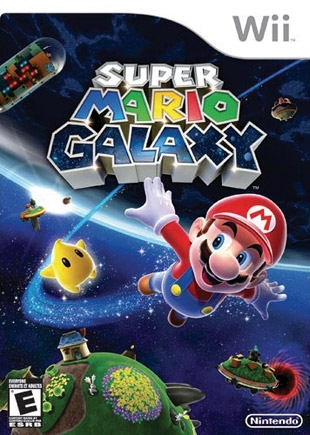
A good example of a title that carries the spirit instead of the game itself, is Super Mario Galaxy. Released in 2007, it brought back classic Mario action after he deviated in Sunshine with his water jetpack, Fludd. Galaxy didn't stop at just bringing the franchise's more traditional formula back and adding bigger and better levels, new moves or skills. Instead, it threw Mario in a different environment. That environment not only heavily affected the level designs of the title, but also how the game overall played. So while the classic star collecting, running and jumping Mario still remained in the title, the environment he traversed completely threw a wrench in the formula, creating an all new experience for gamers.
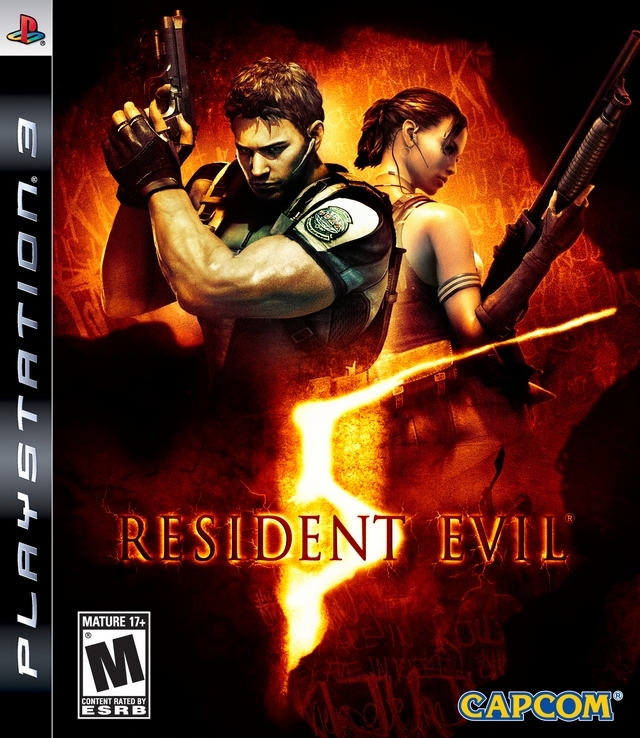
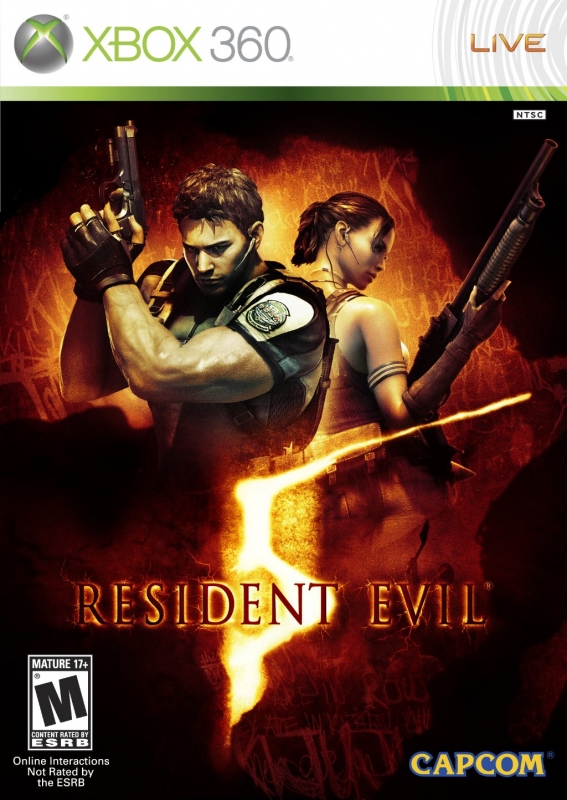
We've also seen franchises in the past that had started struggling, from releasing slight improvement over slight improvement, fix themselves by creating these familiar but new experiences. Resident Evil 4 basically relaunched that franchise. What Capcom didn't expect is that they couldn't cozy up to the Resident Evil 4 formula as long as the original, as by Resident Evil 5, critics had already started panning the series again for not making any sort of move forward. Other franchises haven't been so lucky, like the Prince of Persia franchise that was quickly ran into the ground last console generation. While sales of the franchise have yet to hit rock bottom, it still leaves quite a bit to be desired compared to the past successes.

Looking at the sequels of today, most are building off the past entries themselves rather than being built on the spirit of a franchise. In the short term, it works. However, looking at franchises like Prince of Persia and Resident Evil show that eventually, the franchise will either fall or need some sort of re-tinkering to become relevant again. Considering how many entries we are into some of these franchises, it sounds like that moment might come sooner rather than later. Looking at Nintendo's franchises will quickly show that sparse but quality releases keeps a franchise moving over the years. Although now even Mario seems to be falling prey to this to a certain extent. Will publishers change? No. Frequent releases definitely knock up the profit margin for a publisher. Just looking at Capcom's history and back catalog of franchises will show you how quickly quality names can be run into the ground.
More Articles

I read the title as "are pusblishers mishandling squirrels?" I guess the answer would ultimately be the same.
I don't even need to add a comment anymore...this says it all.

I stopped reading after they said that COD was quality!!!
horrible just horrible
if people got off the cod fan wagon better games would come out. why make a brand new shooter when a mediocre game like cod will outsell u 10 fold.

'This development time period seems acceptable for creating quality software that we can see in franchises like Call of Duty'
You.... you're kidding, right ? hell, a VGC article again....

You mention Mario but completely not acknowledge that there is a Super Mario Galaxy 2. Which was well far less original than the first one.

You're right, but SMG2 was released almost three years after the first one. And I don't see more and more and more and more Galaxy titles in the near future.
I think it's perfectly fine to release one or two sequels that don't contain much innovation and just improve over the previous titles' formula. Trilogies like Metroid Prime, God of War, Prince of Persia and others show that.
However, Call of Duty overdoes it. And, sadly, Assassin's Creed is going through the same path (with the difference that the original formula was much better to begin with).

What did Viewtiful Joe have to do with this? You didn't even mention it! Amazing game, I miss good ol' Joe.
What scares me the most is that "franchises" that started this gen (like uncharted, resistance, assassin's creed, gears of war) are the one getting sequel after sequel! Look at Ubisoft, it's made like 5 Assassin's creed, and left Prince of Persia behind (PoP is far superior, the wii version of Forgotten Sands is awesome). And they made the Raving Rabbids, hit success and then the Raving Rabbids have been in more games than Rayman!!! Now Just Dance, it sold good so they made JD 2, Jd Summer Party, JD Kids, JD 2 Extra Songs, they're making JD 3 and I wouldn't be surprised to see JD 4 on Wii before the Wii U arrives...
And Konami? Metal Gear Solid, one after the other, and when they have no MGS game ready to launch, they make a freaking collection (there's one for PS2 and now the HD collection that includes... A GAME BEING REMADE IN 3D FOR THE 3DS... HELLO!!!).
But it's our fault (well, I don't think I'm part of it, but I'm saying "our" 'cause I'm a gamer too), what do we do when new IPs like Monster Tale, Ghost Trick, Zack & Wiki and Henry Hatsworth are released? We pirate those, and go buy Call of Duty 7 or Final Fantasy 29...
Anyway, I like sequels, I just don't like them too often...
Cod doesnt have any quality now its just another recycled game one after another

With out a doubt! This constant every other year sequel releasing cycle. Kills the first game, and runs the franchise into the ground. Why go back and buy part one of a game. When you can just play the last part, and see how it ends. There has been no evidence that gamers who missed out on the first game. Goes back and buy it when the can just get the final installment now. Most of the time the new game fixes a error the first game had. For example Uncharted 2 new multiplayer where part 1 didn't have it. Why play part 1 when part 2 is a better value. If games had more time to make a memory with gamers. Then we would appreciate them more, and desire the sequel even more. Instead games now are like a bus. If you miss the first one, another one is coming really soon.



YES!!! ...well, not always, but it does happen frequently.

This is why grand theft auto is so amzing. They make you wait a long time for the next game in the series. Assassin's Creed is still amazing and I don't mind having the next part of the story every year.

rofl at COD quality, that franchise has remained largely unchanged since the first Modern Warfare.
Love that Wiewtiful Joe pic. Good old times.

This phenomena isn't new at all, it has been going on since at least the 1980's. Look at all the Megaman games, the Castlevania games, the Mario games, the overhead and side scrolling Shooters, and even RPGs that essentially used old formulas and added on them - or in the case of Megaman, kept them largely the same. In fact, many games at the time were just repackaged with different characters. Most of the top selling games are direct follow-ups - also nearly of the highest quality games are games that took an existing formula and improved it.
Almost all of the most commercially successful titles are sequels largely the same as an older game. Both new types of games/reinventions and sequels very similar to older games are integral to the growth and sustainability of the industry. Just do a little research, and some scientific analysis, and you'll find that your article is disproved fairly easily.

Ok guys, lets jump off the Call of Duty hate bandwagon.
It's one of the only first person shooters I actually enjoy, the only shooter that gets the physics right and makes an epic multiplayer and singleplayer experience.
I like most when a developer takes two years to develop an AAA titles. They don't have to listen to the people that can't stand one year with their brand, it's nonsense. It's not the mid 90's when the technology was easy to perform.
It's logical that if you want some new features you have to give them the time to think about them.

CoD...

Mario is the only problem i see here, and UC3 will be the last UC for home consoles this gen.
o yes they are mishandling squeal's cause there are to many of them. COD is every yr and it doesn't get better it just sucks more.