Gender Roles and Sexism in Gaming: The Gamers' Perspective - News
by Jake Weston , posted on 29 June 2011 / 23,123 Views
Gaming has long been largely male dominated, be it by the people who play games or the characters they play as. Almost every game released nowadays features a male playable protagonist, but according to a study by LiveScience, only 15% of games feature female playable characters. While certainly not surprising given video games' history as mostly a male pasttime, it is not consistent with a recent study that states that the male-to-female gamer ration is about 60/40, with the gap between genders closing each year. Of course, we could go on and on about the countless studies that have been done to look at gender roles in gaming, but rarely are gamers given a chance to voice their perspectives on this issue. We took to the message boards of various websites and asked users to describe what they thought on the state of gender roles and sexism in gaming. The responses varied, but it was clear that many gamers ahd strong opinions on this issue.
Gender roles in society are usually exemplified by forms of entertainment media, and video games are no different. While men in video games are typically portrayed as "macho", manly-men with big guns, women are portryayed as weak, timid, and unable to take action for themselves.
"They reinforce them by creating the characters and situations in which the gender role can be, and is, present. Men are macho, buff, cold, violent, and chauvinistic," said a disgruntled female gamer, "while women are helpless, defenseless, and disproportionate for the sake of being sexy."
If woman is made as a playable character, then she is typically reduced to sexual appeal, with incredibly unrealistic curves made in an attempt to appeal to the teenage male audience that game publishers usually target. While there is certainly nothing wrong with appealing to your target audience, this pretty much alienates a whole audience to the game, and further demeans women. As one GameFAQ's member put it:
"These female characters, although being capable and bad ass characters, are presented as visual candy and are sometimes totally void of personality, so they are like a generic human with a female skin."
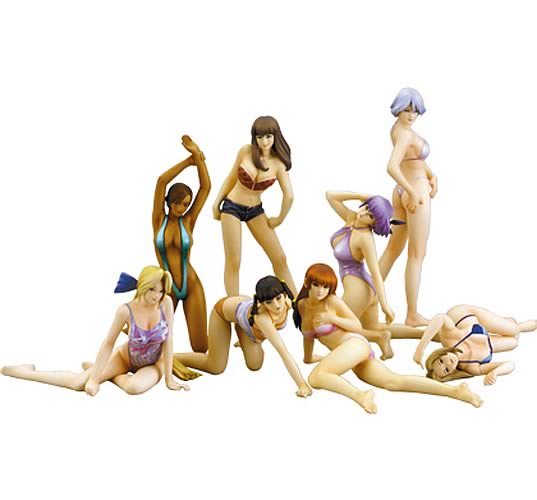
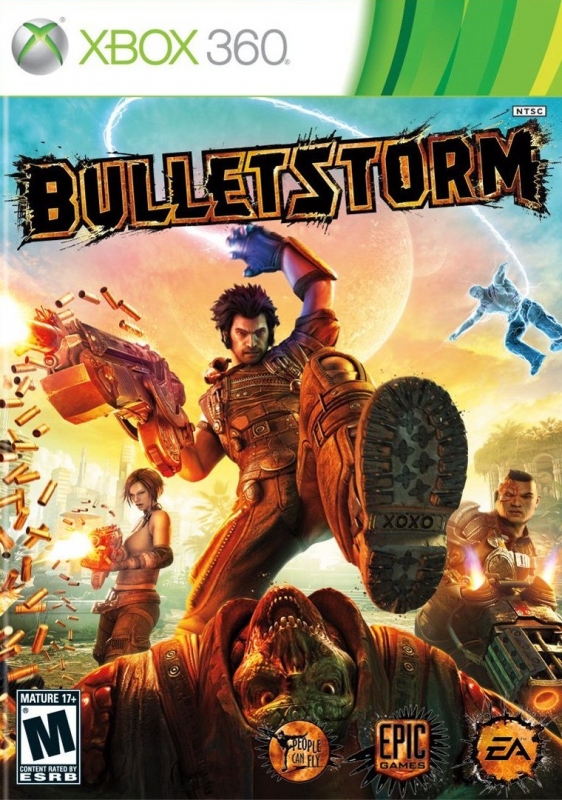
Pictured: Female empowerment
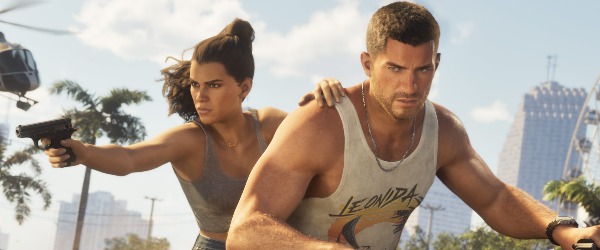
If a women is lucky enough to both be in a game and not be overly sexualized, then she is instead given masculine traits, as if having feminine qualities is inherently weak. This phenomenon is more recent, as if game developers are trying to reach out more to female gamers. However, instead of reaching out to women's femininity, game companies are instead saying the only way for women to feel included is to be men.
"A woman that acts like a man isn't an empowered woman, it's a male character with boobs. Empowered women are independent but still female" says VGChartz Editor-in-Chief Chris Arnone.

Just one of the guys
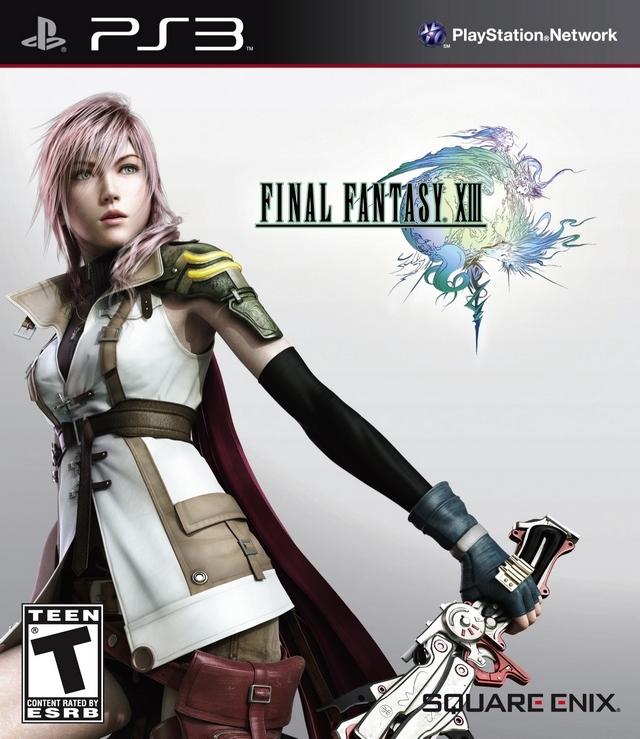
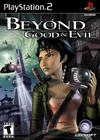
So, where are women gamers to look for positive role models? Are they merely relegated to playing as male protagonists and suffering from negative stereotypes? Fortunately, no. Plenty of gamers questioned were able to come up with multiple female game protagonists that are positive role models to women and not overtly sexual. Characters like Lightning (Final Fantasy XIII), Alyx Vance (Half-Life 2), Kerrigan (StarCraft), Trip (Enslaved), and Jade (Beyond Good and Evil). Users from The Escapist Magazine described some of their favorite female gaming characters:
"Lightning, Fang, and Vanille from Final Fantasy 13 come to mind. So do Aerith and Tifa from Final Fantasy 7. There are also a lot of well rounded female characters in most everything Bioware makes."
"Aya Brea from the Parasite Eve series, the female MC in Persona 3 Portable, Shion from Xenosaga, Heather from Silent Hill 3, Jeanne d'Arc in the game of that name..... Female Shepard from the Mass Effect series is pretty good too, but she's technically a customizable character, so I'm not sure that counts."
Gamers seemed divided over their opinions of certain Nintendo characters. While they were unanimous in saying Princess Peach from the Super Mario series, who is kidnapped in almost every game, is a pretty bad stereotype, gamers were more divided over Samus Aran from Metroid and Princess Zelda from The Legend of Zelda. Many felt that Samus and Zelda provided clear examples of strong, yet feminine, women in gaming.
"Samus Aran, definitely. Back in the 8-bit days, people were absolutely shocked that Samus turned out to be a woman...Nintendo turned people on their heads with that, and even afterwards Samus has remained a very strong character who just happens to be female" says gamrFeed writer Nicholas Taylor.
"Princess Zelda!" exclaimed an enthusiastic GameFAQ's member. "The only fictional princess I can think of worth saving because of how useful she actually is to Link, the main character. In Wind Waker, Tetra was a great character who took charge and was fearless."

However, there were also those who thought that Nintendo's most prominent female characters weren't all that they're cracked up to be.
"She makes it clear that she can escape when she disguises herself as Sheik." said a gamer in regards to Zelda. "Then she still goes back just to be saved by Link."
A GameFAQ's user on Samus: "You know, I think Samus gets a lot of credit where it is undue....her reveal as a female was meant to be a special surprise (because players were supposed to assume that the main character was always male, it seems). And so she was revealed as a female... which was basically "blond lady in a bikini. That was what was female about Samus, having boobies strapped under a bikini."
It is clear at this point that amongst the gaming community, this issue is very visible and prevalent. So the question is: Why is it an issue? It can't simply be because of the apparent disparity between male and female gamers, can it? If that were true then the study linked above would have shown a greater gap between the ratio of male to female gamers. However, one Escapist user seemed to sum it up pretty well:
"The numbers may be different, but I suspect this is due to the content of games not the medium itself failing to appeal to women. To steal an analogy, it's akin to disliking a particular dish while having full capacity to enjoy eating."
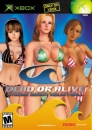
The amount of discussion on this topic could fill up an entire book (Whether or not Bayonetta should be considered sexist towards or empowering to women could be its own article), but the fact remains, there is a whole audience out there that the "hardcore" department is failing to reach. While there are many casual experiences out there that have a large women audience, game developers are further perpetuating negative female stereotypes with the titles that they release yearly. Negative depictions like the Dead or Alive: Xtreme Beach Volleyball girls, or the depiction of women in Duke Nukem Forever. As tongue-in-cheek as these might be, they are also surely part of the reason that games receive such harsh backlash from the media and the government.
As games start to mature and gain mainstream acceptance, it's negative stereotypes like these that continue to perpuate games as an activity exclusively for adolescent boys. Developers and publishers need to wake up, stop relying on the same old tropes, and start delivering interactive experiences that can resonate with everybody, regardless of gender.

Honestly, Bayonetta exists beyond categorization
More Articles

It's disingenuous to bash Samus' intial reveal just because she was in a bikini, as that likely falls under an issue of the technological limitations at the time. If Samus had been in, say, what we now call the Zero Suit, she still could have been mistaken for a long-haired man (think Conan the Barbarian), since it was hard to emphasize the dimensions of breasts in a sprite of that size, and since it was a last-minute throw-in to the game, they didn't have time to develop a more elaborate female Samus design as they did at the end of, say, Super Metroid

"male-to-female gamer ration is about 60/40"
this study is taking into account womans that play facebook games or iphone games?
I think you are failing to take into consideration a lot of things. This is a huge topic for debate, and it's hard to paint the whole picture with sexism in something like this. First i would point out that computer programming(as a student in undergrad comp sci program at my school there were 2 females that were in most of my classes with around 30 males in those classes, same holds true during my post grad studies) , which is usually what game design stems from, is a pretty heavily male populated field. So these programmers when making games are going to most likely make something that they understand, or through their perception of things. So a male envisioning the hero of his story is most likely going to make that hero a male. I'm not excusing the sexism inherent in that, i'm just saying that is what is most likely going to happen. Same thing with a male designing female characters, he will do this through the lens of a males perception, biases, etc. Again not defending their choices, but if you wish to see change this has to come from the developers which would mean there needs to be a lot more females going into game development to put their thoughts, perceptions, and ideas into those games for their to be change.
Another issue is analyzing a game character first and then the actions they take second. This isn't really how a game would be created. In most cases character design (including the voice acting, appearance, and attitudes) isn't the starting point of the game creation, developers would decide first if they were making an fps, rpg, action game, sports game, puzzle game etc. We can for the sake of this argument concentrate on the first 3 as the later are not really an issue when talking about characters and sexism. Those first 3 genre's of game will almost always have an element of combat. Meaning the core of the gameplay is based on the main character(s) going and killing other people. If its an fps , there are going to be guns by the very definition. Action games, same thing, you are going to be viscerally hacking people to bits. So when you say most males are "macho, manly-men with big guns", it's because they made the fact that its about being macho and big guns before the character was even thought about. If they then decided to make the main character female after making it about combat, this is why you end up getting dissent about if the characters are actually feminine or not. This gets into the question of what does it mean to be masculine or feminine. What i would ask is, in your opinion, what does it mean to be feminine? What game experience would stem from those traits? You hardly talk about your actual definition of a strong female, just who is and isn't and the debates therein. Many would say more female traits would include empathy, nuturance, sensitivity, and creativity. This would go against those roles of characters in most common types of game (fps/action/rpg) to a degree. Real people are more complex then just one set of characteristics but we are talking about fictional characters in a medium where the plot can very easily come second or third to the gameplay. RPG's can be very different and i would say many are quite fair to women.
Sorry to go on for so long but one last point. If we are talking about body image, which you mentioned, games are just as stereotyping to men. What do male characters look like in video games? Most are tall, handsome, and impossibly muscular. Again this crosses through media lines, the same can be said of males in movies. Look at Kratos, Marcus Fenix , Ryu Hyabusa (who wears tighter leather then most females in games), and Goku. Hell, the default male shepard in Mass Effect is actually designed after male model Mark Vanderloo. This is the same body image standard, both sexes are portrayed in peak physical condition and appearance. Not a lot of ugly and fat protagonists out there on either side of sex , especially considering the general theme of most characters being people in intensely physical roles. Sexism is also prevalent in the online gaming community, though not in the games themselves, but the players. I think one of the big turn offs for many girls and women is having to listen to prepubescent males on chat and deal with their crude attitudes towards women.
"She makes it clear that she can escape when she disguises herself as Sheik." said a gamer in regards to Zelda. "Then she still goes back just to be saved by Link."
She escaped from the castle with Impa, and then you'll never see zelda's true form until the end of the game... Really? Kidnapped? you never know.
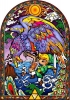
that and zelda is the type of character to stay "imprisoned" to protect her subjects....
I think FFX-2's story and Yuna's transformation from FFX is the most powerful message about women a hardcore game has ever done in video game history. The woman saving the helpless man has never been done before nor has it been done since then. Yuna was a stupid bitch who got told what to do throughout FFX and she looked helpless, it was pathetic. In FFX she is stealing shit from people, showing some skin, and doing what the fuck she wants (while saving everyone of course). Reviews who said shit about FFX-2's story are all a bunch of sexist white guys who prefer staring at a man's ass while playing. High Summoner Yuna, I salute you.
This stereotype is from Western Publishers at best... Japanese put Girls as heroine, boys that look like girls also...
And as good female characters how have everybody forgotten about Resident Evil (even though it's month)?? They have Jill Valentine as a important, not over-sexuallized and independent (altough some times she have some help from males)... And as far as i remember all RE besides 4 have nice females.

@MrKhan: Thank you for making the exact point I was about to.
Brenddude: Your comments are getting voted down because they're ridiculously ignorant. Please, take a women's studies course, or a sociology course in general, and learn how bigotry and discrimination works. I'm not saying you're bigoted, you're just clearly not equipped to identify it.
Jumpin: The VAST majority of RPGs relegate the female characters to weak healers who have almost no stats in the way of attack and defense. That feeds into the stereotype so blatantly it makes my head heart.

Samus is still a female character made for men. Girls don't typically identify with characters like that, men do.
Chrono Trigger - Marle, Ayla, Lucca
Earthbound - Paula
DKC2&3 - Dixie Kong
Mario Kart, Mario RPG - Peach
Smash Brothers - Zelda, Peach
Final Fantasy - Rinoa, Terra, Quistis, Selphie, Tifa, Lightning, Vanille
Dragon quest - Bianca, Meena, Maya, Ashlynn, Alena, Debora, Nera, Milly, etc... There are tons.
Skies of Arcadia - Fina, Aika
Xenogears - Elly, Maria, Emerelda
Phoenix Wright - Mia, Maya
In RPGs, there are lots of good female characters. In the vast majority.
In Mario, I don't think people are really considering gender roles when the lead male character is also not the steroid pumped macho man either, he's a fat plumber who jumps around.

I like it how it is at the moment, most video games revolve around fighting and saving the world etc, it is expected for the main character to be a man.
Video Games are easily dominated by males as well, I don't care about that 60/40 statistic, that stinks of shit, Facebook games and Angry Birds doesn't count.
It's the same trend in the movie industry, unless it's a chick flick, you will not see many females as the main character, especially in an action movie.
Most women in games are made so attractive because, let's face it, that's what guys want and it sells games. And once again, it's the same in the movie industry, the perfect example being Transformers, and it works vice-versa with chick flicks too.
...There is a reason why I have Lightning as my avatar.
There is no sexism in games, developers are just pleasing their audiences, it's the same in any other industry.
One has to consider how appropriate is a woman in a game (same for movies)
Having a female knight is actually pretty absurd unless she's named Jeanne (there's a reason she's so famous... she's the exception). Fantasy games could go by with witches/sorceresses/priestes (but no cross or it becomes an other aberation)... but that is about it, women were not hunters or warriors.
Having a female soldier in WW.1-2 would also be absurd.
Most sports are male focused, so no point in a woman there either.
And right there we've taken out 40% of the games that even exist.

Nice article, despite the grammar errors.
did someone just call Shion a well-rounded character? No, she was nothing more than a whiny, petulant, immature emotionally unstable drama queen who was completely unlikeable, utterly stupid, and never, ever grows up for the series' duration. She was a big reason that the Xenosaga games had such flawed plots; it's hard to be invested when the protagonist can't justify their existence in the plot and acts like a spoiled brat. They should have just dropped her after the first game and focused on characters like Ziggy, chaos, and Jin.
Seriously...Who keeps thumbs-downing all the comments?
--Something unexpected surprise--
Hello. My friend
=== {{w w w }} {{be tter whole saler }} {{ u s }} ====
Dedi cated service, the new style, believing you will love it!!!
WE ACCEPT PYA PAL PAY MENT
YOU MUST NOT MISS IT!!!
thank you!!!
Smells like leftist utopian propaganda.