


Culdcept Begins (NS2) - Review
by Evan Norris , posted on 15 August 2026 / 2,489 Views
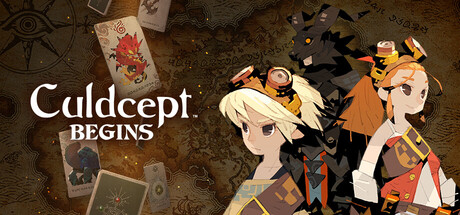
It doesn't get much more niche than Culdcept. A card-collecting, turn-based tactics series, it debuted on Saturn in 1997, only in Japan. Since then, releases have been sporadic, rarely reaching the full international audience. Culdcept Begins, which arrived last month on PC, Switch, and Switch 2, is the first new installment in a decade. Thanks to its worldwide release and focus on accessibility, perhaps this latest Culdcept title is the one to recruit a larger following.
Culdcept Begins is split into two main pieces: Story and Matches. Story is the single-player campaign, which acts as a tutorial of sorts for future competitive play (you only unlock Match features after clearing the first chapter). As the principal single-player offering in Culdcept Begins, Story has a lot riding on it. Unfortunately, it's the least exciting part of the game.
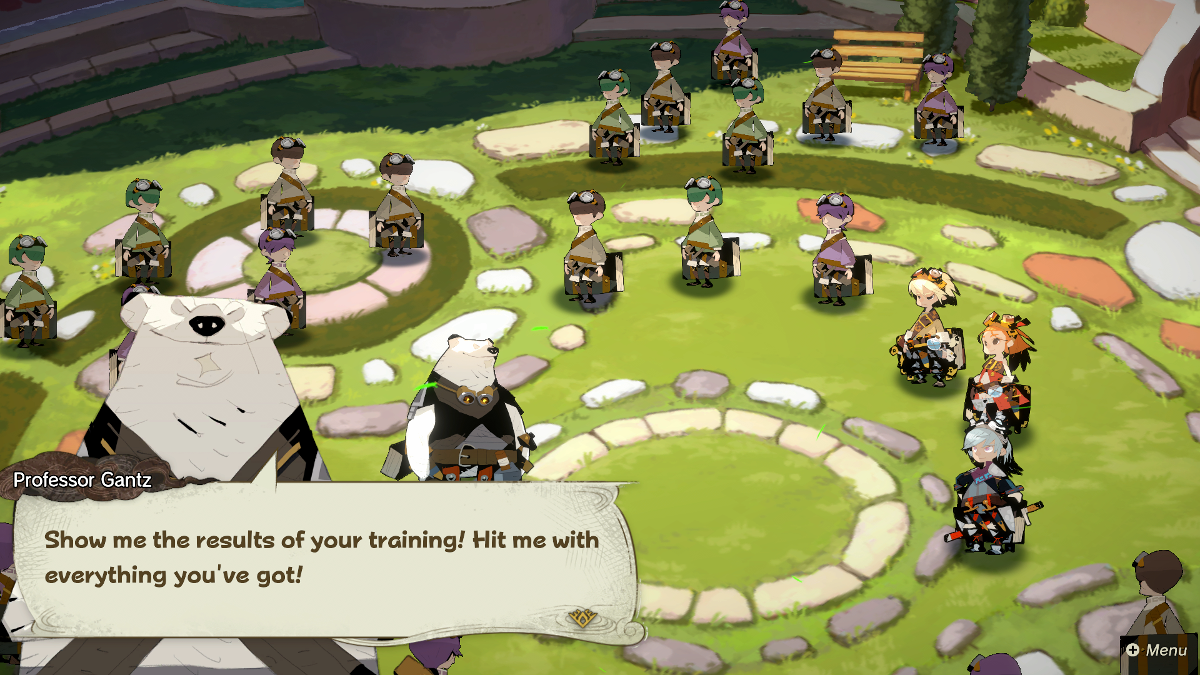
The story acts as a prequel; it takes place before the events of the premier Culdcept game from 1997. It follows Kamur, a transfer student to the Royal Cept Academy, where all promising "Cepters" train to harness the power of card-like stone tablets called "Culds". Kamur impresses his teachers and fellow students immediately. Eventually, he is dispatched to the capital to join the Royal Cepter Guard Regiment, just as enemy forces invade the continent. Now it's up to Kamur and his allies to save the day.
Despite this intriguing premise, the game never grabs your attention. All the villains and heroes, including Kamur, are forgettable; not enough time is spent explaining or nurturing the relationships among characters; and the localization is stiff and too literal. Now, if you ignore the emotional and narrative components of the campaign, and treat it more as a tutorial designed to unlock cards, skins, and game boards, then you may be more satisfied. Keep in mind, though, that the adventure lasts about 20 hours, which is extremely long for a tutorial. Ultimately, it's difficult to recommend Culdcept Begins to strictly solo players.
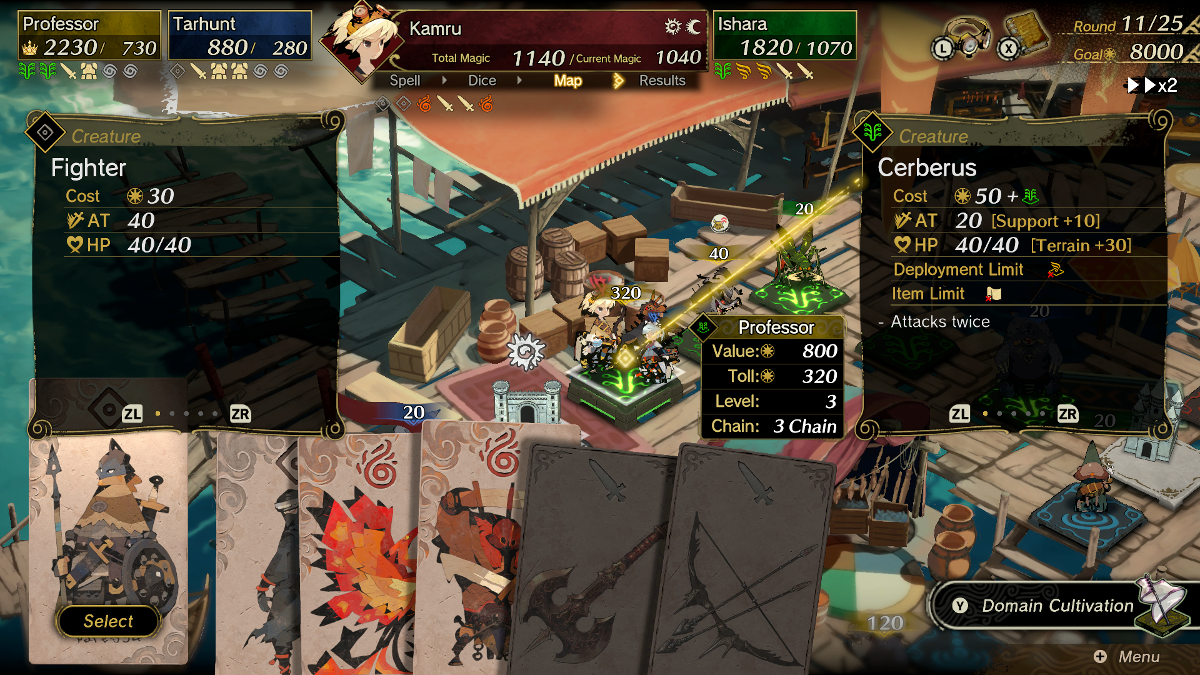
Conversely, it would be incredibly easy to recommend it to the competitive crowd. This is due, in part, to the variety of ways you can take the fight to the competition. You can battle players online, set up custom lobbies, challenge up to three friends (who don't own a copy of the game) via GameShare, or hone your skills against bots. It's also due to the exceptional mechanical foundation underpinning the game.
At the simplest, most reductive level, Culdcept Begins is Monopoly mixed with Magic: The Gathering. You move around a game board, deploying creature cards (pulled from a 40-card deck) to seize and develop territory. Yet it's so much more. Thanks to over 400 cards, each with their own logic, benefits, and limitations, and game boards with different layouts and gimmicks, there are thousands of ways to approach each match.
If you want to win in the big leagues, you should stock up on creature cards. These cards, which belong to one of five elements — fire, air, water, earth, and neutral — allow you to occupy vacant territory or wrest it away from rival players. Don't just focus on the creature's HP and attack, though; special abilities often mean much more. Take Woodfolk, one of my favorite cards, for example. It has a modest 30 HP and 30 attack, but it's listed as Support, meaning it can use another creature card as an item in battle, taking advantage of the combined stats. Or consider Lizardman, a water elemental who attacks first, even when defending territory. Arm it with a powerful weapon and it suddenly becomes a bulwark, despite its humble HP.
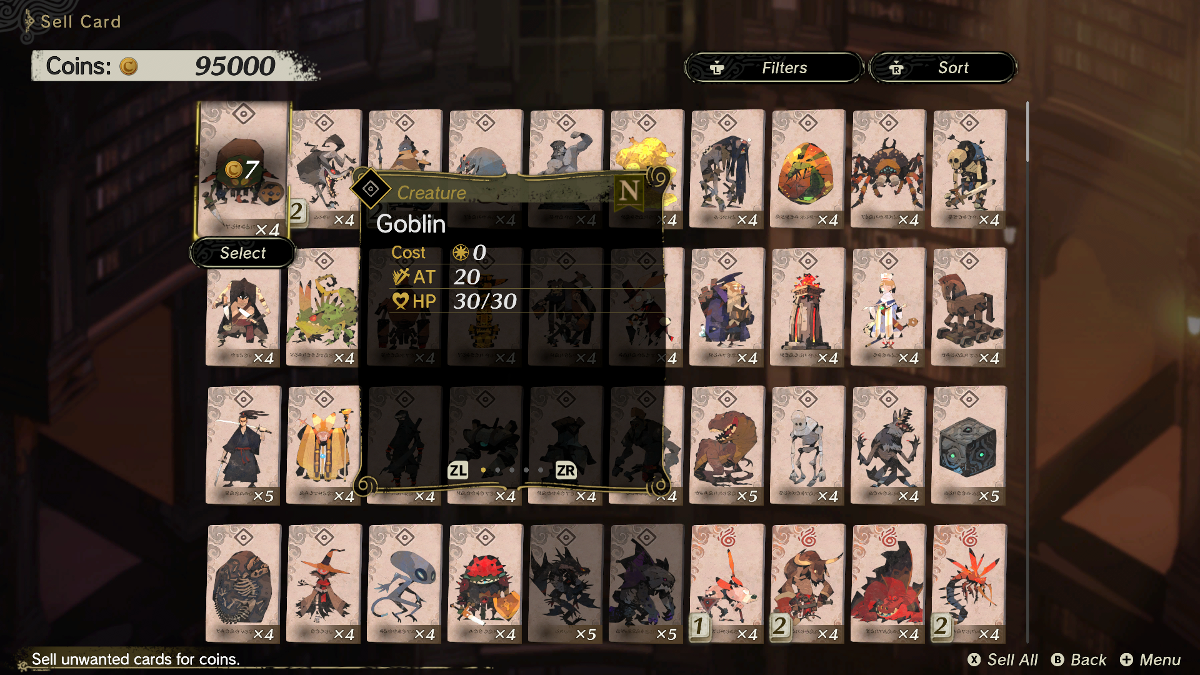
Creature cards are the most essential, but they should be paired with item cards (swords, shields, scrolls, etc.) and spell cards. Spells, which players activate before each die roll, can swing the momentum of a match in just a few seconds. If your rival invests heavily in defensive creature cards, those that cannot move once placed, you can trigger Acid Rain to deal 30 damage to all creatures of that designation. If you've built a deck full of fire cards, you may want to carry Fire Shift, which changes a specific territory into fire, triggering elemental bonuses for your minions. If you just want to get to the finish line first (this is more urgent than you'd think), you can invest in Fly, Haste, and Holy Word 8 to maximize the ground you cover per turn.
It's great fun to play around with your deck to find the perfect combination of creatures, items, and spells to increase your odds of winning. What's more, the process is very approachable, thanks to the game's commitment to easing in novice players. It introduces mechanics, cards, and tactics slowly and methodically so that rookies don't get immediately overwhelmed. Also, the UI is incredibly intuitive and easy to navigate.
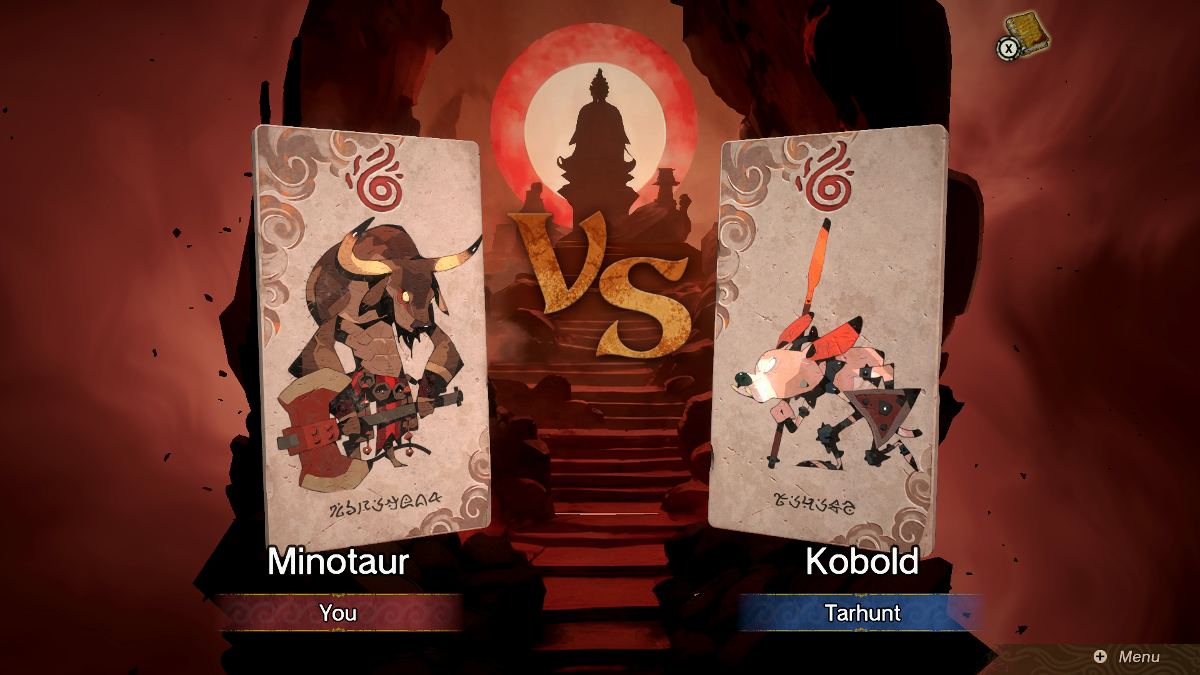
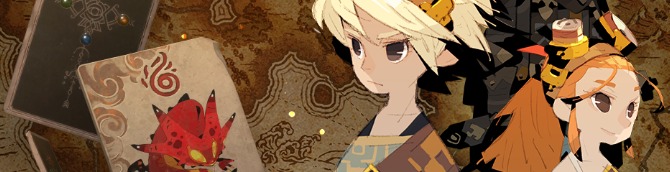
Not only is the UI easy to use; it looks great too. Everything in Culdcept Begins looks great, in fact, thanks to character and creature designs by Satoshi Matsuura (Legend of Mana, Bravely Default). The stylized, hand-sketched aesthetic works wonders. The battle animations are excellent as well.
The game's music isn't as spectacular as its art direction, but it's quite nice. The best individual track is "Cept Academy", a rousing anthem with marching drums and delicate triangle.
Culdcept is a niche IP in a niche genre, but thanks to Culdcept Begins it has a better chance than ever to enter the mainstream. This newest installment is an approachable, beginner-friendly take on the classic formula, enhanced by deep tactical gameplay and an exceptional new aesthetic. If it weren't for an underachieving single-player campaign, it would be a complete success.
VGChartz Verdict


7.5
Good
This review is based on a digital copy of Culdcept Begins for the NS2, provided by the publisher.