Existing User Log In
New User Registration


Register for a free account to gain full access to the VGChartz Network and join our thriving community.





America - Front

America - Back

SunSoft
Shooter
 (Add Date)
 (Add Date)
 (Add Date)
| Owners: | 0 |
| Favorite: | 0 |
| Tracked: | 0 |
| Wishlist: | 0 |
| Now Playing: | 0 |
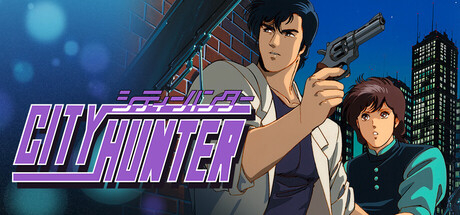
It's always a great day when a regional exclusive is localized for the first time. Something that was once hidden behind an impenetrable language is now free to be enjoyed without barriers. That's why it was welcome news when Red Art Games announced the worldwide debut of City Hunter, which first launched on the PC Engine in 1990, only in Japan. Based on the Japanese manga series of the same name, written and illustrated by Tsukasa Hojo, the game is extra special for those who closely follow the City Hunter media franchise.
City Hunter follows the heroic adventures of Ryo Saeba, a professional "sweeper" who takes on jobs from those in need in order to clean up the city. In this instance, he infiltrates several organizations — a large electronics company, an animal research lab, and a weapons manufacturer — to uncover shady dealings and, perhaps, a larger conspiracy. At certain junctures, Ryo is joined by several allies, including Kaori, the younger sister of his deceased best friend.
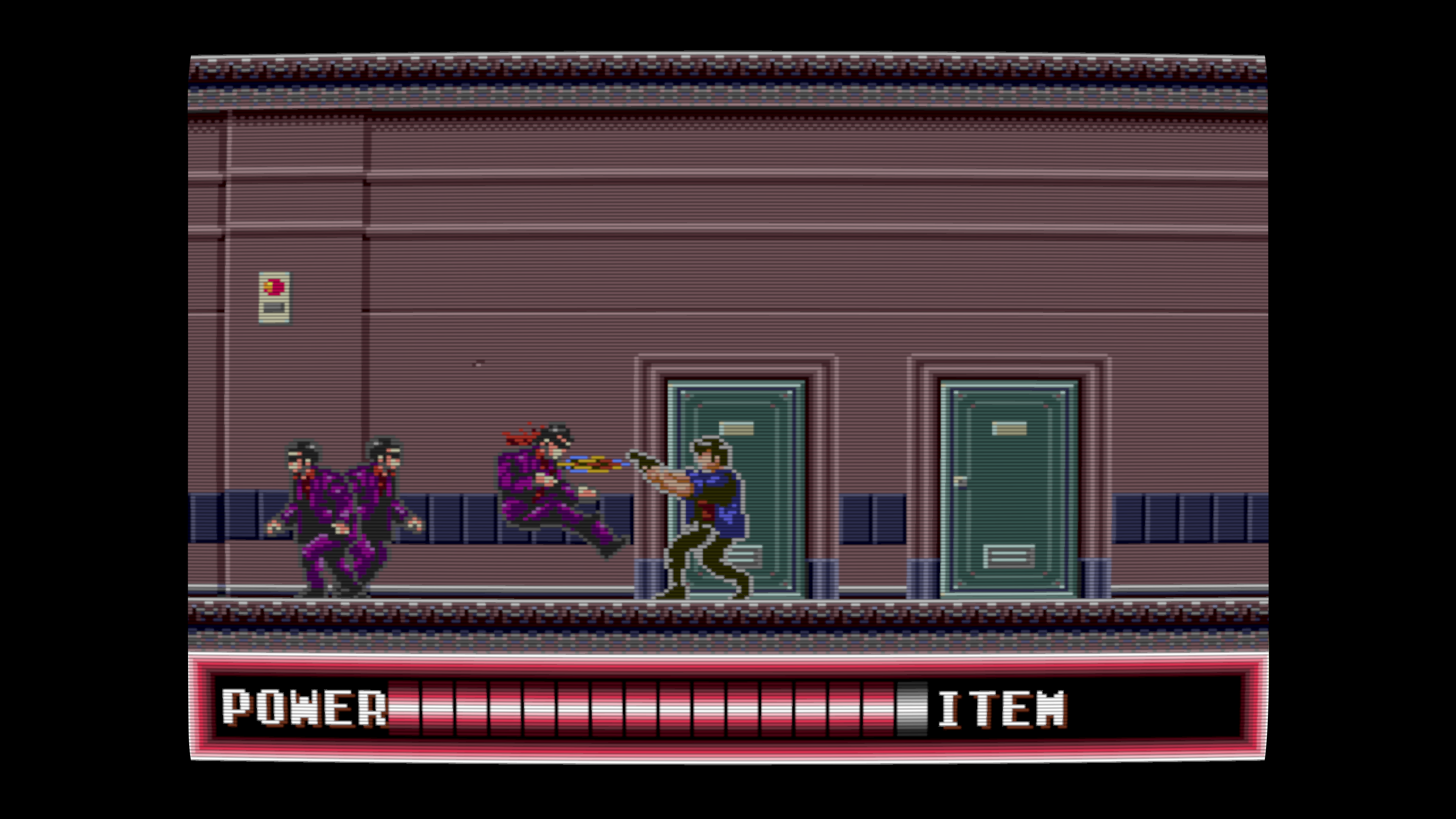
City Hunter is a side-scrolling run-and-gun game similar in spirit to Rolling Thunder. As Ryo, you'll move through corridors and up and down stairs to find points of interest. Along the way, you'll run into many goons hired to stop you, including gangsters, soldiers, robot ninjas, and even something called Minotaurus. While there isn't much depth to the action — all you can do is jump and shoot — the punchiness of the gunplay and the fluidity of the animations ensure it's satisfying. There are also a few unlockable weapons, which add some diversity. The laser is the best, if you can find it.
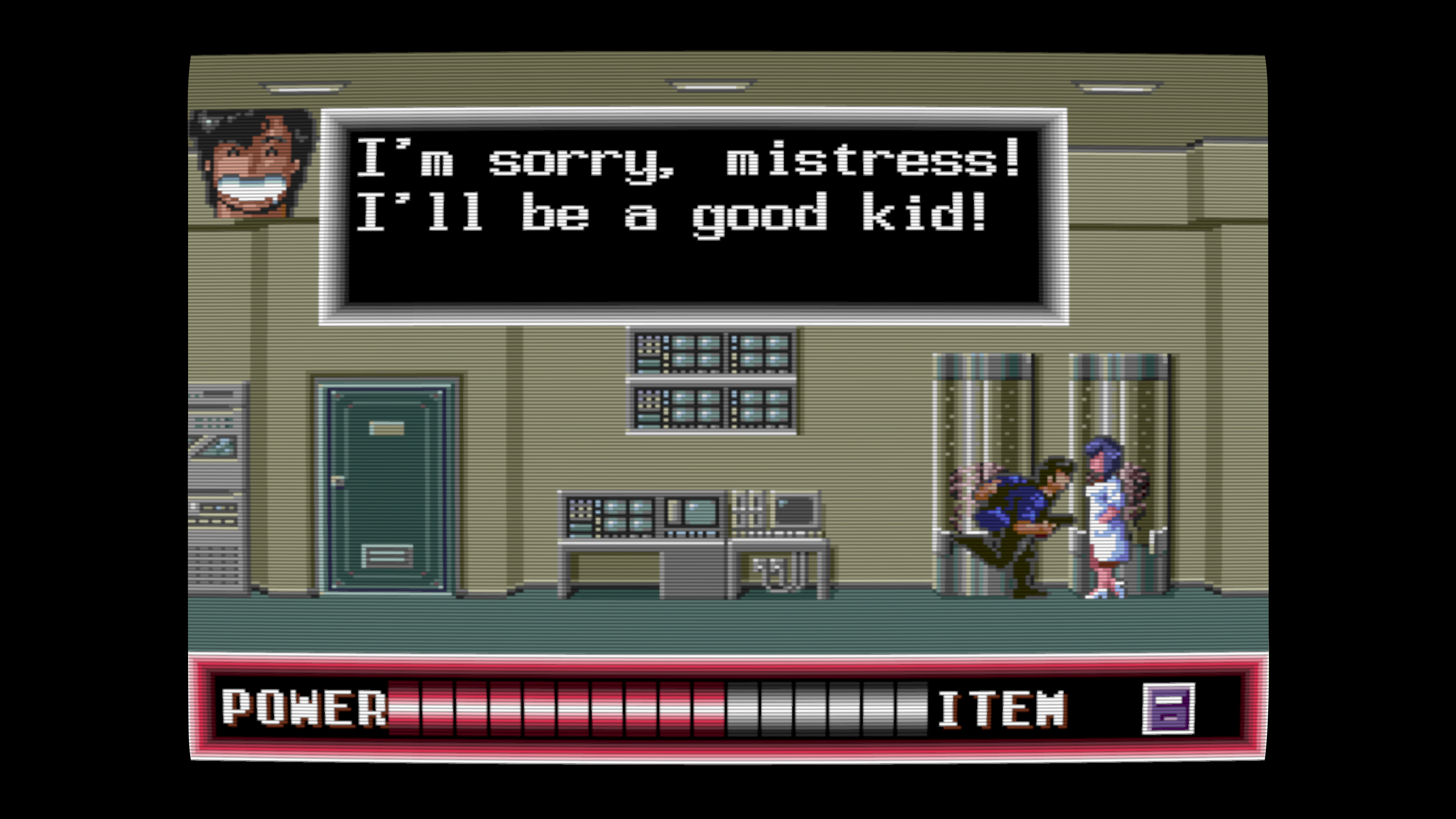
"If you can find it" is an important caveat. While the moment-to-moment action in City Hunter is good enough, its structure is decidedly faulty. Through four scenarios — three available from the start and one unlocked later on — you'll explore similar-looking hallways and open identical-looking doors in order to find an NPC who will give you a key or card that opens another door in some other corner of the building. At first, this is fine. There's a delightful sense of discovery when you open the right door and meet a helpful stranger. But once you hit scenario three, the novelty wears off. Things become too repetitive and disorienting. This is one of those old-school games where you may want to create a map of your own with pencil and paper.
Despite lots of backtracking and the very real possibility of getting lost, it won't take you long at all to finish the game. It should take one to two hours to see the credits roll.
Luckily, this modern re-release adds a couple of new modes that extend that playing time: Enhanced Mode and Hard Mode. Enhanced Mode fixes a number of nagging technical issues from the original 1990 release while maintaining the status quo in terms of difficulty and progression. The biggest, most consequential change is that Ryo is now always in the center of the screen. Previously, when he exited a door he might appear in the hallway to the left or right of center, allowing off-screen enemies to get the jump on him. You can also switch directions while crouching, which is a bigger deal than you'd think.
Hard Mode, meanwhile, is advertised as the "definitive" version of City Hunter. In addition to the tweaks from Enhanced Mode, it ups the damage inflicted and taken, changes item locations, and alters enemy placement, speed, and behavior. I was taken aback when I entered a normally empty corridor and found gangsters clinging to footholds on the wall. This mode is ideal for those who've mastered and memorized the vanilla version of the game. That said, be warned: it may just be a little too hard, especially when it comes to the traps in scenario three.
Regrettably, neither Hard Mode nor Enhanced mode make navigation less onerous. The inclusion of signposts, labels, and color-coded doors would go a long way.
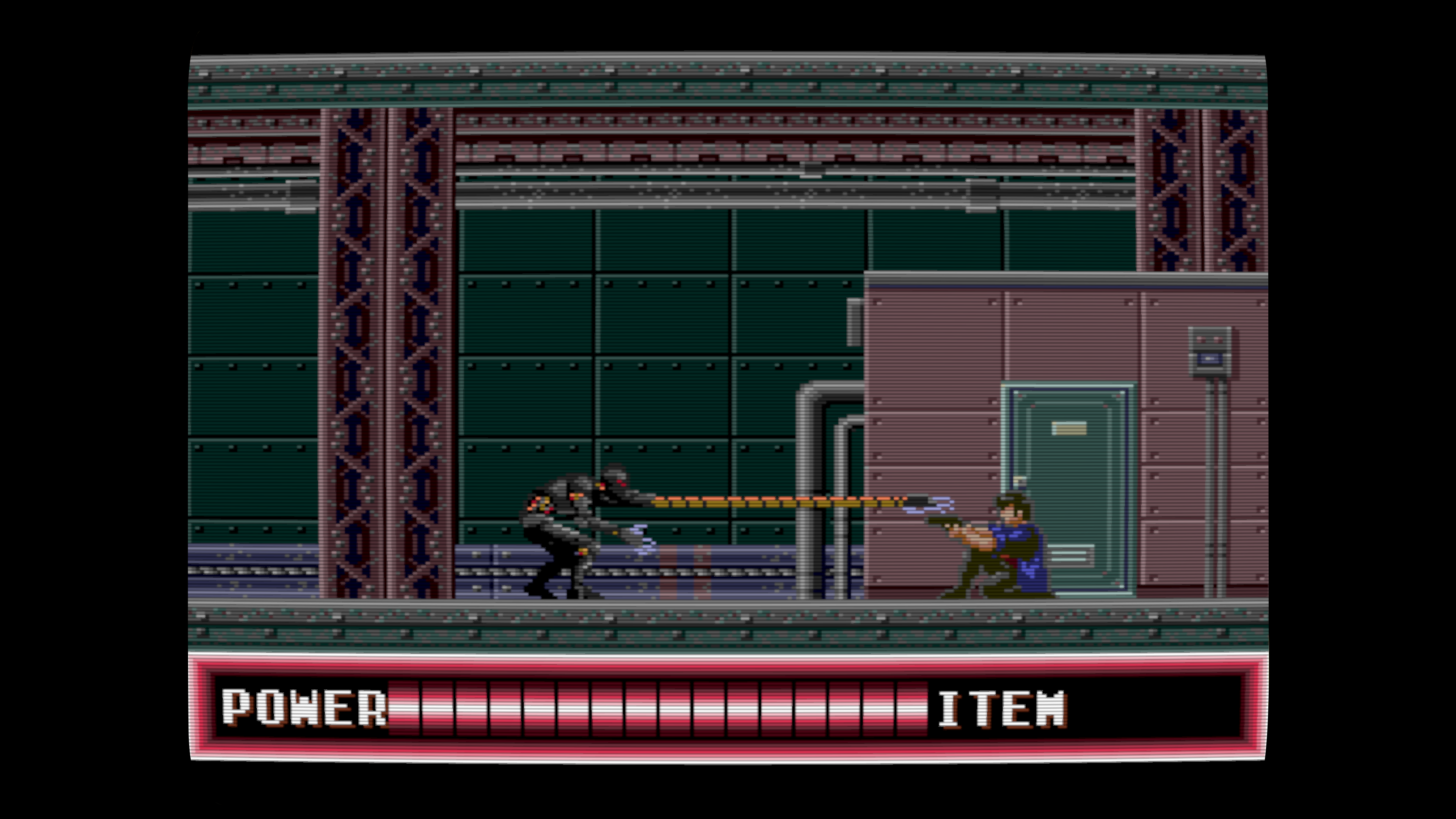
In addition to two new modes, City Hunter arrives with a few bonuses. You can save, load, and rewind at will; tweak the aspect ratio; and swap the screen filter, if you're a fan of that old-school CRT glow. You can also explore a concept art gallery and music player at your leisure, and even admire digital recreations of the original game box, manual, and HuCard.
For the sake of posterity, it's great that City Hunter is now available on modern platforms in English, French, Italian, German, and Spanish, 36 years after it premiered in Japan. It's also great that Red Art Games has elevated the experience by adding two new modes, while also preserving the original version. The only issue is that the game, no matter the version, is too brief, disorienting, and repetitive to truly enjoy. Still, it's an interesting artifact from the PC Engine days.

About Us |
Terms of Use |
Privacy Policy |
Advertise |
Staff |
Contact
Display As Desktop
Display As Mobile
© 2006-2026 VGChartz Ltd. All rights reserved.