Existing User Log In
New User Registration


Register for a free account to gain full access to the VGChartz Network and join our thriving community.





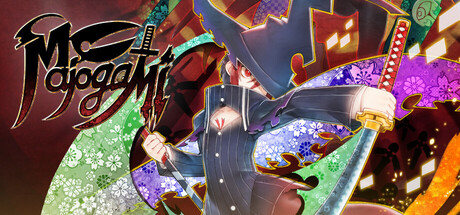
America - Front

America - Back

Inti Creates
Action
 10/30/25 Inti Creates
  (Add Date)
 10/30/25 Inti Creates
| Owners: | 0 |
| Favorite: | 0 |
| Tracked: | 0 |
| Wishlist: | 0 |
| Now Playing: | 0 |
For over 20 years, Inti Creates has been synonymous with action-platforming. Sure, the indie studio has experimented with different formulas with games like Gal Gun and Card-en-Ciel, but its bread and butter has been side-scrolling action-platformers in the vein of Mega Man and Castlevania. Its latest foray into the genre is Majogami, an aspiring, energetic game that highlights what the developer does best: art direction, 2D combat, and boss battles. It's certainly one of Inti Creates' most ambitious titles, but is it one of the best?
Majogami follows a young woman named Shiroha, who finds herself trapped in a strange paper craft world known as Orchesgra. Separated from her home world and missing her memories, Shiroha stumbles through the alien landscape, searching for answers. She quickly runs afoul of Aradia, a villainous, taunting witch who explains that the heroine's memories are sealed inside cards called Recarte, guarded by other craft witches. Armed with an odd katana and accompanied by a talking bookmark named Shiori, who claims to be her father, Shiroha begins her quest to reclaim her memories.
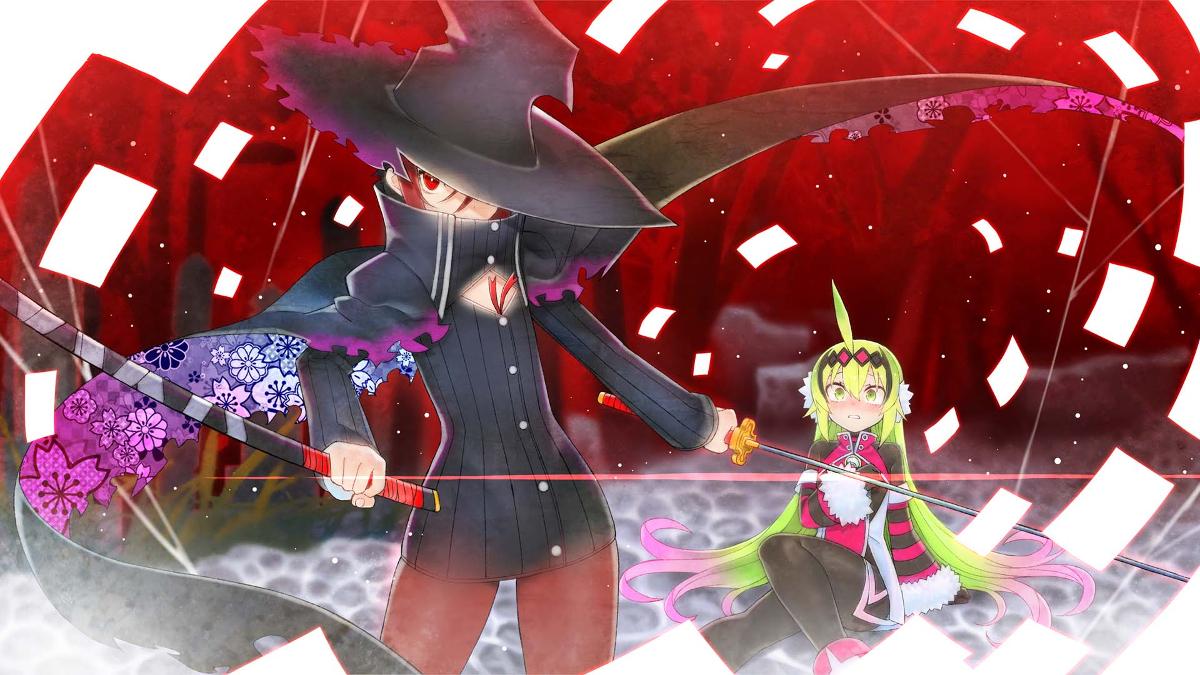
The story in Majogami is quite good. The amnesiac plotline has been done many times before, yes, but the inclusion of a fantastical paper craft world inhabited by strange witches helps it stand out. There's a dark fantasy/horror vibe here that sinks its claws into you, and some meaningful metaphorical writing that leaves a lasting impression. More importantly, the game boasts a lovely sense of warmth and tenderness, courtesy of the relationship between Shiroha and Shiori.
There are a couple of issues, however. First, the game tends to telegraph its twists. Second, it's remarkably chatty. The narrative interludes between chapters sometimes overstay their welcome. At times, the game even starts to veer into visual novel territory, especially with its optional chats, which are unlocked by finding "topic seedlings" in various stages.
There's nothing deficient about the game's combat, though. As you'd expect from the action-platforming masters at Inti Creates, Majogami is firmly committed to stylish, forceful, tactile action. Things start off simply — so simply that you may not be wowed at first. You can slash at enemies with Shiroha's katana by hitting the Y button, or target them with a powerful homing attack called Setsuna with the ZR trigger. Setsuna is the foundation of the game's fighting system. By assuming one of three different sword master stances — horizontal, vertical, and diagonal — and expending a magic paper, you can slice and dice the world's paper monsters.
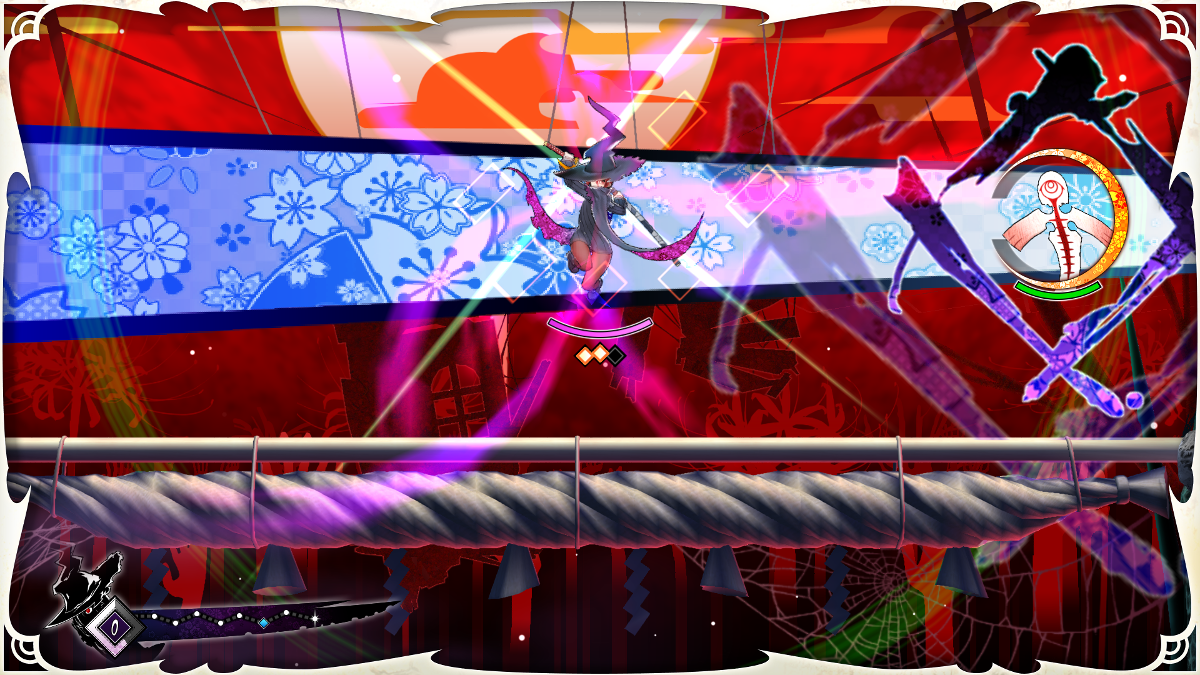
Had the game stopped here, it would be remembered for a fine but unspectacular combat framework. Luckily, the programmers at Inti Creates dug deeper. As Shiroha explores Orchesgra, she encounters more troublesome opponents, some of which are shrouded in cursed mist and can't be damaged by regular attacks, some of which cast front-facing illusions that must be attacked from behind, and some of which deploy minions that force your Setsuna cursor to target them instead. And Shiroha herself obtains more complex moves and abilities. She can deflect incoming projectiles, charge her Setsuna to triple-slash opponents, and, most effective of all, summon Astral companions.
Astrals shake up the rules of Majogami considerably. By using Setsuna, you'll fill a constellation gauge at the bottom of the screen. Once filled to a certain amount, Shiroha can activate Ascension and call upon the strength of one of three Astral friends. She will gain an extra magic paper slot and the ability to double jump, and any directional attacks associated with that particular Astral will refill the magic paper meter, keeping you on the offensive. If she keeps going, she can eventually activate Astralization, which allows her to jump indefinitely, perform special attacks (Pollux' Lotus Bow being the coolest), and deploy Celestial Serenade, a spectacular screen-filling attack that does massive damage. Overall, there's incredible depth to combat in Majogami, which isn't obvious at first glance.
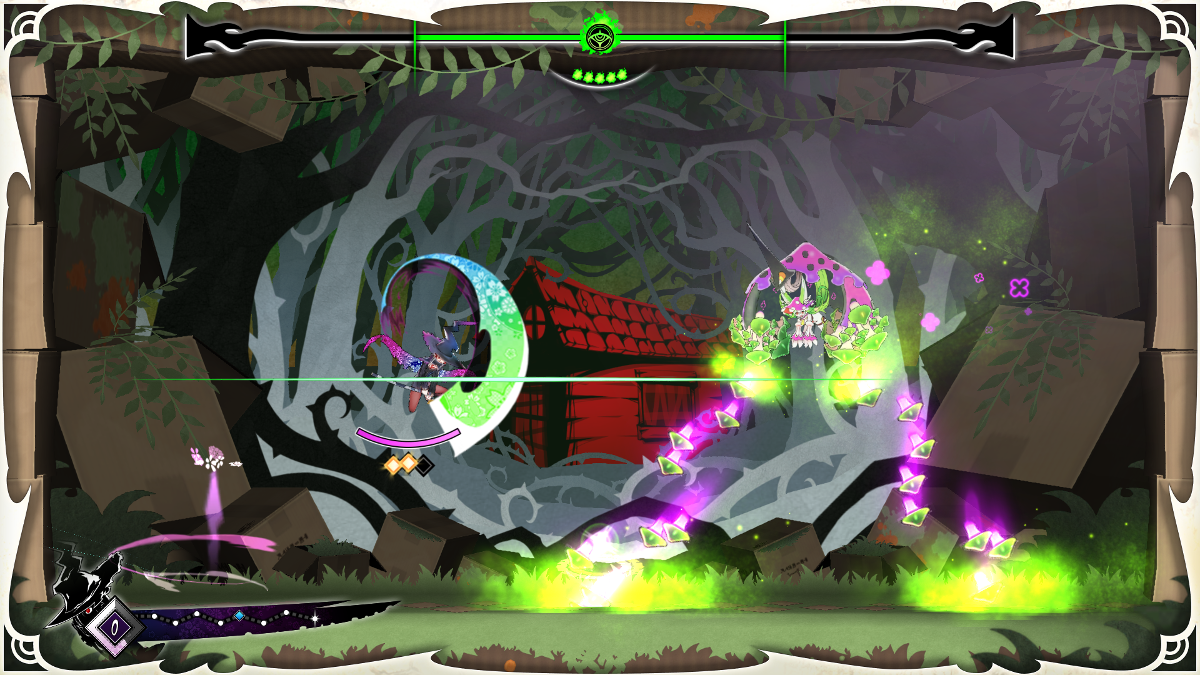
You'll need every last inch of that depth to contend with the game's bosses, which are the highlight of Majogami. Each zone of Orchesgra is governed by one or more craft witches, who will stop at nothing to defeat Shiroha. As you'd expect from Inti Creates, the boss battles are knock-down-drag-out affairs that demand quick reflexes, precision blows, and careful study of enemy tells to survive. They really are extraordinary, and not just mechanically. Each boss has a different aesthetic or environmental hook. One of the most impressive battles, at least visually, takes place on top of a moving train with pine trees and a castle in the background. It brings to mind the stunning opening of Castlevania: Rondo of Blood.
If Majogami has a main flaw, it's that its collection of side-scrolling platforming stages can't compete with these boss encounters. Each zone ends with a boss battle but begins with two to three discrete levels, where Shiroha runs, jumps, and tangles with rank-and-file paper enemies called Apostles. They're just not that interesting on their own. Now, to be fair to Inti Creates, the studio introduces some wrinkles and gimmicks. In certain stages, you'll activate field boost sigils to increase your jumping power. In others, you'll invert gravity and walk on the ceiling. In perhaps the most interesting stage, you'll attempt to outrun a deadly tornado moving left to right. But, overall, they're overshadowed by the craft witches.
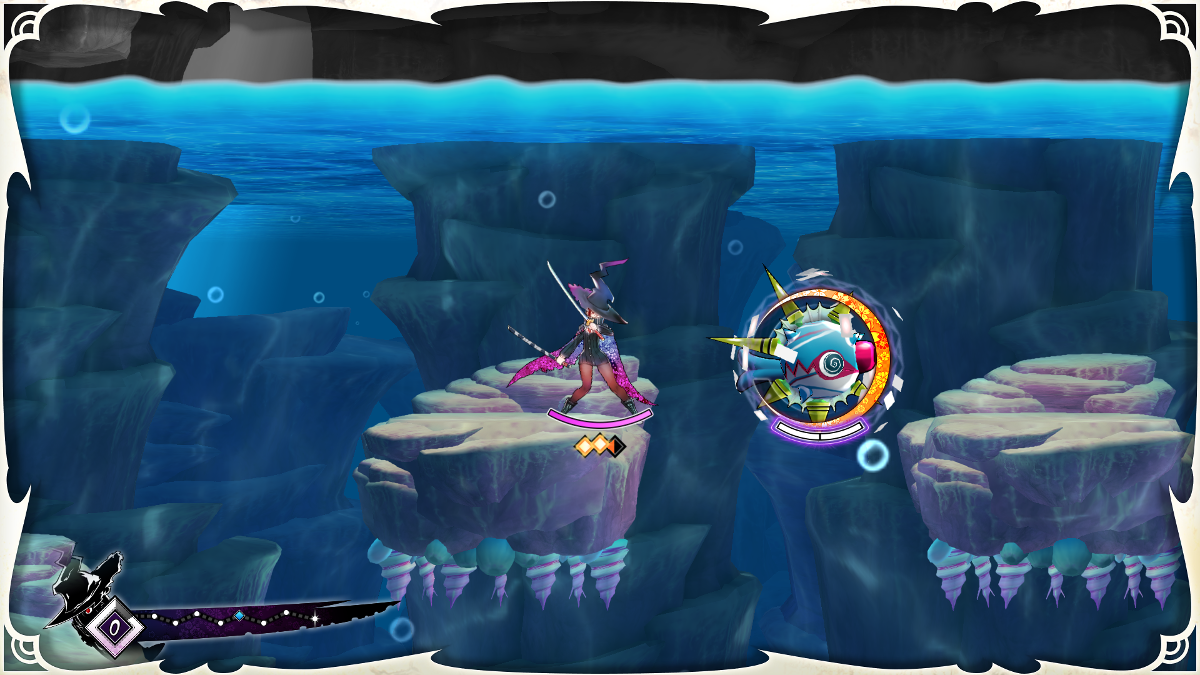
They're also, regrettably, disconnected. Every time you complete a stage, you're kicked back to the map screen. If only the stages and boss battles existed in an uninterrupted sequence, Majogami would hit that next level of greatness.
The developer partially makes up for this lack of cohesion with lots of ancillary content. There are dozens of optional chats to unlock, which expand upon the game's mythology. There are also many Trials, bite-sized challenge quests that reward you with currency (and even feed into an online leaderboard). Finally, each stage has hidden items, including rare valuables that require treasure-sniffing white owls. You could speed rush the game and finish everything after roughly eight hours, but you could also double that time if you want to experience and explore everything.
One tip for newcomers: make sure you stick through the end credits and jump back into the game. There's a lengthy encore section that shouldn't be missed. While this post-game addendum extends the running time, offers plenty of revelations, and provides some much-needed emotional closure, it suffers somewhat by repeating several scenarios and fights from earlier in the adventure.
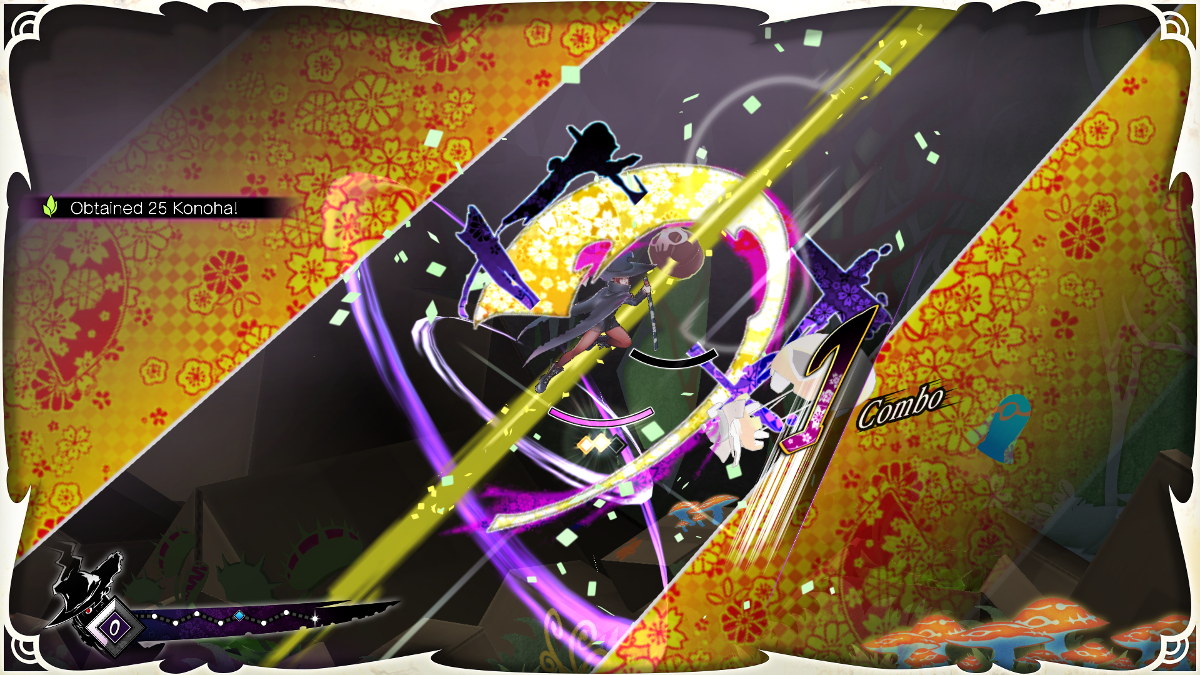
Repetition isn't a problem with the game's art, in part because it takes the player to many different places (underwater grottoes, industrial plants, areas made entirely of cardboard or paper money) and in part because its color schemes and flourishes are so eye-catching. Indeed, Inti Creates has outdone itself this time, not only with production design but with special effects and all those bright, beautiful splashes of purple, indigo, and orange. The character designs are also wildly original, even a few go too hard on the fan service.
Bringing those characters to life is a seriously talented cast of Japanese voice actors, who recorded over eight hours of dialogue for the game, believe it or not. The standout performances include Miyu Tomita as Shiroha, Kenji Hamada as Shiori, and Fairouz Ai as Maxi. As for music, the piano arrangements from Luna Umegaki, based on music from Takumi Sato, Ippo Yamada, Aoi Takeda, and Yusuke Sakai, are excellent.
Majogami is the best Inti Creates game in a while, it turns out. The art direction is stunning, the music and voice-over work engaging, the combat system deep and flexible, and the boss battles riveting. With a crisper narrative, less repetition in the post-game, and greater connectivity between platforming stages and boss encounters, it could have been the best ever.



About Us |
Terms of Use |
Privacy Policy |
Advertise |
Staff |
Contact
Display As Desktop
Display As Mobile
© 2006-2026 VGChartz Ltd. All rights reserved.