

A Look Back at the Birth & Rise of the Asian-English Market on Vita - Article
by Adam Cartwright , posted on 17 February 2018 / 5,611 Views
The PlayStation Vita, somewhat like the PSP before it, suffered from a popularity imbalance. Despite being a niche product in western markets, it found a strong footing in its homeland of Japan, where lifestyles are better suited to handheld gaming. This approach has extended to mainline Asia, where the Vita has been somewhat of a success in places like Hong Kong and Singapore, maintaining a steady flow of releases and decent hardware sales.
This has led to a window of opportunity for certain publishers. Japanese-developed titles make up the majority of the Vita's library but some of these have been unsuitable for western markets, often by virtue of some questionably lewd elements that wouldn't sit well with western rating boards. As a compromise, these publishers have been able to tap into the Asian market (where multiple countries have English as a dominant language) and release physical carts with English subtitles, which have rapidly become hugely popular on import sites like Play-Asia. In addition to these, some games which were digital-only in the west managed to get physical English releases in Asia, due to the stronger market there.
It's these titles that I'll be looking at in this article - how the market originated, how it has flourished over the years, and where it's at currently. It's something that has grown with the console; I don't remember it being anywhere near as prevalent prior to the Vita's launch and as such it's easy to believe that the handheld played a big part in shaping the market into what it is today.
2014 - The (Sword Art) Online Birth of the Asian-English Release
The Asian-English market was (sort of) alive and well from the date of the Vita's launch in the region in 2011, where a number of titles like Disgaea and Uncharted were available alongside the brand new hardware. This is something that would continue throughout the console's life and isn't particularly worth noting here, as these games were generally available in physical English format in Europe and North America too.
The first time the market truly offered something different was in 2012, with the launch of Dokuro. The 2D puzzle-platformer was released in Japan in July and on the same date an Asian release happened too, with English subtitles. It was basically a precursor to the digital western version which landed in October. A similar thing happened with Orgarhythm in August, which offered a physical cart in Asia that would play in English if your system was set to that language, but was only distributed digitally overseas by XSEED, making it a key early title early on which was popular with importers.
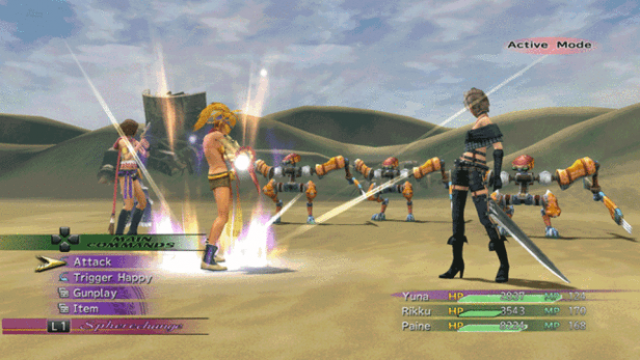
There was then a long gap until the March 2014 release of the remastered Final Fantasy X games, which would become the next titles to follow this lead. In Japan, they'd released as two separate carts (one for X, one for X-2) but in the west it was announced that only X would be on the cart and X-2 would be a download code - not great news for anyone with a small memory card, or even those who just like to preserve their games. Enter the Asian-English release which had X-2 as its own cart, making it a perfect compromise for anyone unsatisfied with the product on offer in the west.
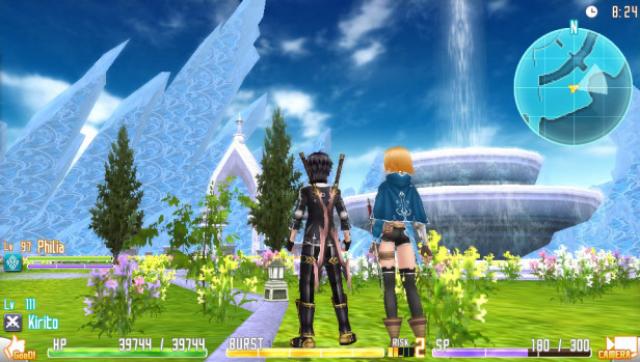
This was just the first insight into the market, though, as Bandai-Namco would soon go one better in May with Sword Art Online: Hollow Fragment. The popular anime title was released in English a full three months before a western version was available, suggesting that the localization had been greenlit on the basis of prospective Asian sales alone. It was hugely popular among importers (despite the fact that it was hampered by an awful localization) and would be the first title to truly usher in the new era of games being translated for the Asian-English market thanks to its success (it shifted 400k copies worldwide).
The rest of the year was made up of a fairly standard slate of titles that were already available from European and North American publishers, such as Senran Kagura: Shinovi Versus and Tales of Hearts R. There was one extra standout - Soul Sacrifice Delta, the expanded version of 2013's hunting action game, which landed digitally in the west but received a physical print in Asia. While Sony was winding down on the console, it was nice to see the publisher provide this option for gamers and is something that would be follow up on in 2015. It was clear that this was something other publishers were rapidly jumping on board with too.
2015 - The Second Wave & an Ever-Increasing Market
2015 would see a larger variety of titles making use of the Vita's popularity in Asia in this fashion; ones which were either digital-only in the west or only had very limited releases.
The first noteworthy game of the year was HTOL#NIQ: The Firefly Diary, an artsy puzzle-platformer from Nippon Ichi Software that was localized by the overseas subsidiary NIS America, who only provided very low quantities of a Limited Edition in North America (and nothing in Europe, where it was digital-only). An Asian-English version therefore satisfied this gap in the market, even if it became obsolete a few years later when a dual-pack including Yomawari became available on the same cart.
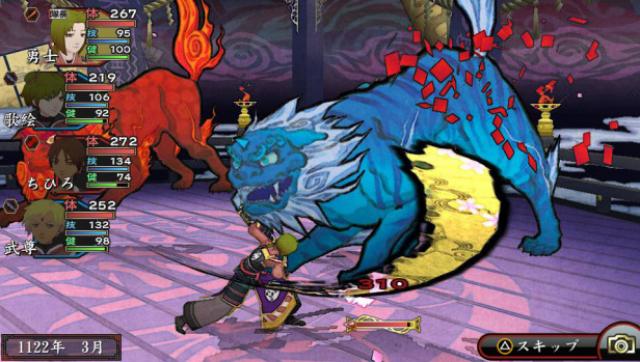
Other publishers began to make use of Asian-English publishing too. For example, Koei-Tecmo's Deception IV: The Nightmare Princess was a digital-only western affair despite its prequel Blood Ties being available at retail. Even Sony itself provided an Asian-English physical version of its fantastic JRPG Oreshika: Tainted Bloodlines, which has become a popular collector's item in recent years due to its rarity.
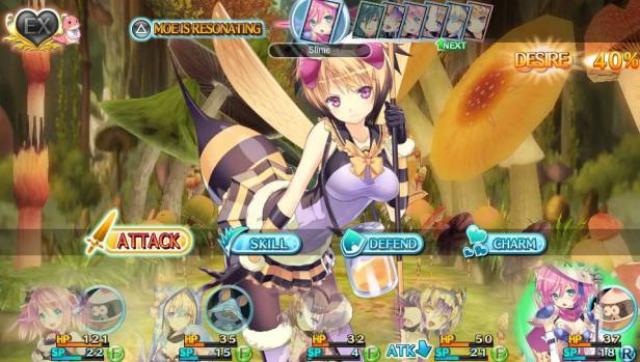
Given Bandai-Namco's success with Sword Art Online, it was unsurprising to see other publishers quickly follow suit. Compile Heart's Moe Chronicle found its way across in May of 2015, although unlike SAO it didn't manage to find its way west at all due to heavy fanservice (although a 2017 Steam release managed to avoid ratings board requirements). Oddly, Sony appeared to have a hand in bringing this one across, something that was alleged to be happening again with its sequel Moero Crystal but this hasn't materialized as of the date of this article.
The remaining months of the year would see three more games which were digital-only in the west receive Asian-English versions. The first of these was Resident Evil Revelations 2 - a port funded by Sony but published by Capcom (who had been largely absent on Vita throughout its life). The second was Samurai Warriors 4-II, which was somewhat of a surprise given that its prequel, Samurai Warriors 4, hadn't received the same treatment when it released in October of 2014. The third was Dynasty Warriors 8 Empires, the final mainline entry in the series available for Vita.
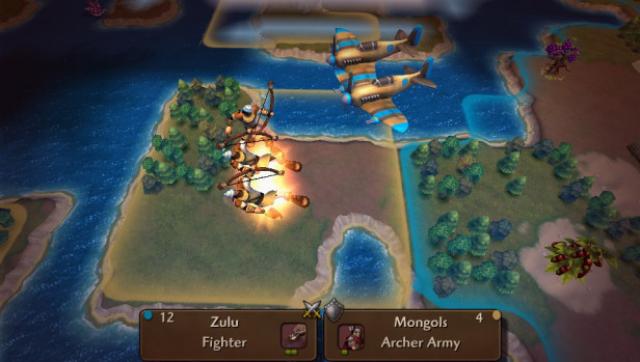
Two last surprises were lined up for 2015, the first being Civilization Revolution 2 Plus from 2K Games, which was a shock for a number of reasons. The publisher had barely touched Vita previously and although it wasn't a surprise to see the title available in English (it was originally announced for Japan), it was noteworthy that Asia would be getting its own physical English print when it was only going to be available digitally in the west. Meanwhile, as with Moe Chronicle, Cygames' Airship Q saw an Asian-English only release in November, which offered a nice alternative to the digging and crafting of Terraria for importers, albeit with slightly less polish to the package.
These marked a fantastic note to end the year on - the market had clearly grown and flourished in 2015, but it was 2016 that would be absolutely stellar.
2016 - An Amazing Year for Importers
By 2016, multiple publishers were making full use of the Asian-English market to not only release physical versions of games that were digital-only in the west, but also to localize titles which weren't seeing overseas releases at all.
The year kicked off with the launch of Deemo: The Last Recital, a story-driven rhythm game from Rayark that had launched in Japan in the middle of 2015. At the time, it was the only English Vita version available, though the game later launched in North America and Europe thanks to PM Studios in 2017. The game itself was a decently fun time, although a little bit too grindy for me personally.
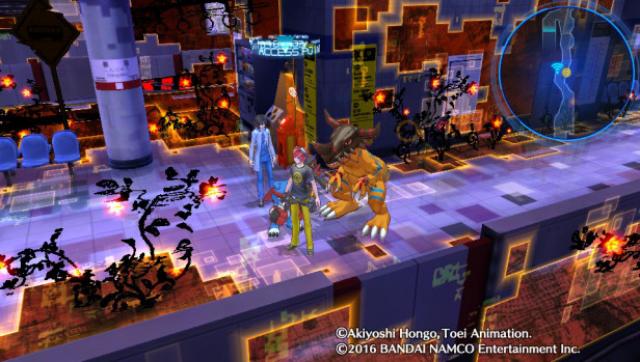
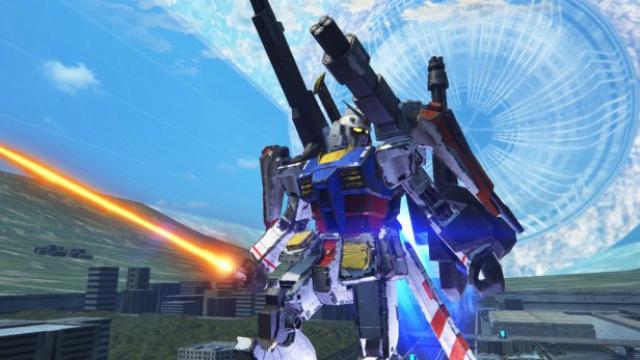
February saw two major releases from Bandai-Namco - both were games which were available digitally in the west, but the only physical English copies were in Asia. The first of these was Digimon Story: Cyber Sleuth, which had also been ported to PS4, although the Vita version remained an impressive technical feat (which I personally enjoyed a lot when I played it). The second was Mobile Suit Gundam: Extreme Vs Force, the latest in the long-running Gundam Vs series that received a critical beating in Japan, although this was somewhat resolved for its English version. A western release of the latter didn't actually happen until July of 2017 (five whole months after the Asian-English version).
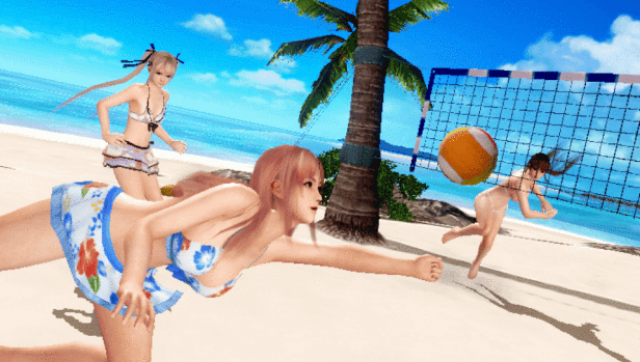
By far the most noteworthy release of the year came in March with Dead or Alive Xtreme 3: Venus. The title courted minor controversy due to its content and Team Ninja quickly announced that it wouldn't be coming west at all due to concerns about the potential social implications of its message, making the Asian version the only possible way of playing in English. It seems like it was still successful though, as Play-Asia announced that the game had become its most pre-ordered title ever, breaking sales records for the retailer.
In addition to Dead or Alive, it seems that other franchises weren't afraid to only target the Asian-English market too. Despite Extreme Vs Force seeing a western digital release in July, the next Gundam title - Breaker 3 - wasn't afforded the same opportunity, likely due to ongoing licensing issues with certain mechs in the game. In fact, this wasn't the only time that a Gundam title would exclusively see a release in Asia in 2017, as SD Gundam G Generation Genesis suffered the same fate in November and notably became the first (and only) Vita game with two game carts required for playing.
The rest of the year was made up of the usual selection of titles already available from North American and European publishers such as Sword Art Online: Hollow Realization (which had now become a notable worldwide franchise for Bandai-Namco after Hollow Fragment's sales success). Two additional releases also stood out. A.W. Phoenix Festa was another anime tie-in without the same budget as the SAO games - it received a muted western reception but seemed to get a little more fanfare in Asia. Meanwhile Dragon Quest Builders was one of the Vita's stand-out titles of fall 2016, with a physical version that could only be found in Asia.
2017 - Business as Usual
At this point it was clear that, despite the Vita's relative failure in the west, the Asian-English market was successful enough for multiple publishers to jump on board. And not only were they serving the countries the games released in, but importers would often jump on these titles too. 2017 would continue these trends, although in slightly reduced capacity.
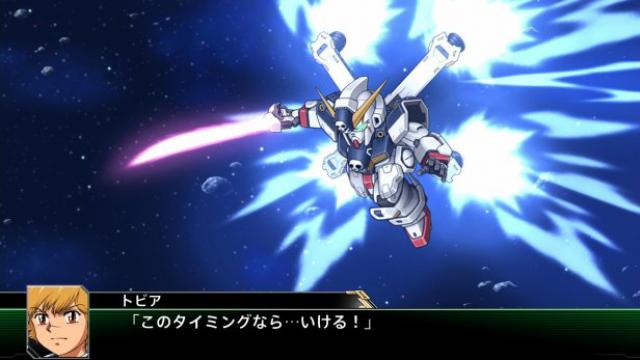
The first release of the year was Super Robot Wars V in February, the latest in a long line of crossover strategy RPGs. The Vita had seen two Japan-only entries in 2014 and 2015, but from 2016 there seemed to have been a change of heart, with the PS3/PS4 entry Moon Dwellers getting an Asian-English version. This continued with V, which again never managed to find its way west, meaning importing was the only way to go (as with Moon Dwellers).
In fact, 2017 would be a very busy year for Bandai-Namco as it had a further two releases during the early months of the year. The first of these was Accel World vs. Sword Art Online, the final in the SAO series on Vita and - just as it had started with Hollow Fragment - this was a title where the only physical English Vita version was available in Asia (an oddly fitting way to go out). The second was Gundam Breaker 3: Break Edition, one of only a handful of 'game-of-the-year' editions on Vita that included all the DLC on the cart.
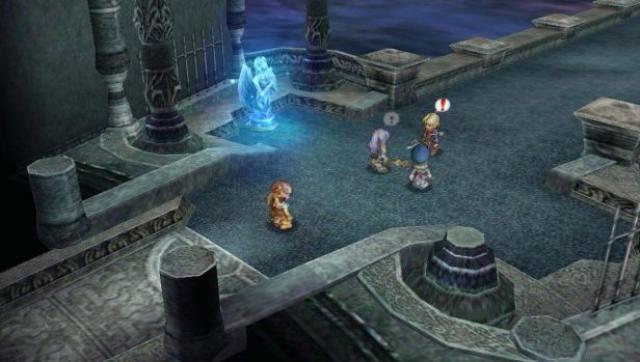
Outside of Bandai-Namco's efforts the year was quiet. Koei-Tecmo had now given up on Vita, but other publishers were entering the fray - notably eastasiasoft who took up the mantle of handling physical releases for a variety of indie games. Titles like Semispheres and Tachyon Project were on their slate, both of which were digital-only in the west. Arc System Works also picked up Nihon Falcom's classic action-RPG Ys Origin, which was a nice bonus for physical collectors (even if Limited Run Games had also picked up the game for an American release).
2018 - This Train Isn't Stopping Yet!
So with the current year well underway, where does that leave us with Asian-English games? Well, in short they still seem to be flowing like usual, even at this late stage in Vita's life. In fact even some new publishers are now joining in.
The start of the year seems to have been a recap of previous successes - Digimon Story: Cyber Sleuth Hacker's Memory and Super Robot Wars X, both sequels to existing Vita games which got Asian-English versions, made up the significant titles for the first couple of months. Again, Digimon was digital-only in the west while Super Robot Wars seems to be a title that's remaining Asia-only, likely meaning it'll be popular with importers who enjoyed what V had to offer.
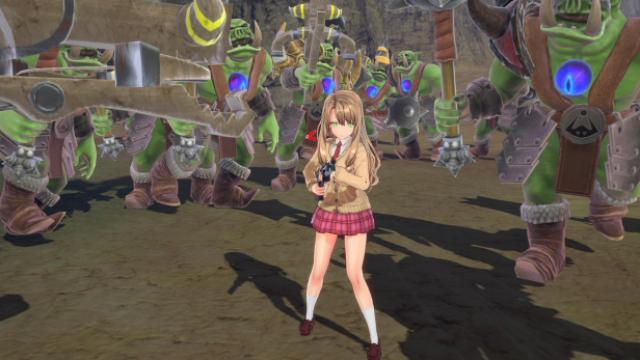
In a surprise announcement, it was also revealed that we'd be getting Bullet Girls Phantasia - the latest in the popular clothes-ripping shooting franchise - from a partnership between D3 Publisher and H2 Interactive. Play-Asia seems to have been promoting the game heavily, suggesting the retailer expects it to be as successful as Dead or Alive Xtreme 3 was in 2016.
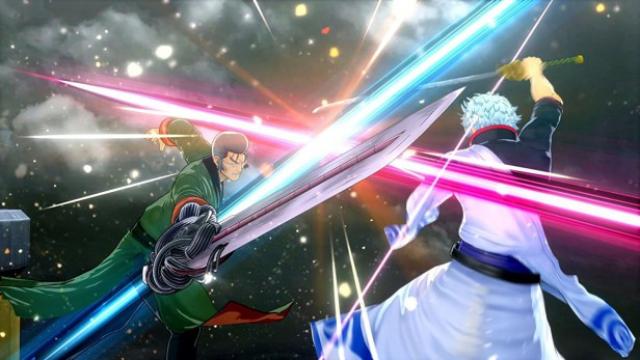
Sadly, not every title got an Asian-English release that perhaps should have. Gintama Rumble, a hack 'n' slash take on the long-running anime/manga series developed by Tamsoft was announced for both PS4 & Vita in Japan, but an English version for Asia was announced only for PS4. It was a surprising omission given that the game was published by Bandai-Namco, which is clearly intending to support the Vita in the region throughout 2018.
Still, overall 2018 looks to be another great year for importers and this is only from known titles - there's plenty of time for new games to be announced in the remaining months too.
Conclusion
Compared to how it was when the Vita launched in 2011, the Asian-English market of 2018 is a booming business, with multiple publishers investing in releasing titles either exclusively in the region or as the only physical versions available. A number of retailers now specialize in this area too, with shops like Buygame2,Heavy-Arm,Mariio128, and Play-Asia focusing on courting importers.
It's hard to deny that Vita had a big hand in starting this. It was Bandai-Namco which took a gamble on Sword Art Online: Hollow Fragment back in 2014 that kicked it all off, with the Vita fanbase embracing this new method of game delivery and importing the title in droves, leading to some heavy investment in the market from Bandai-Namco which ultimately caused other publishers to follow suit. Throw in the ease of releasing physical versions in the region in general (meaning games were available on carts where they wouldn't be elsewhere) and you've got an area that continues to see success stories to this day.
While the remainder of Vita's life is up in the air at this point thanks to the Switch's runaway success, I'm hopeful that the Asian-English market will provide a nice final bastion for physical collectors, as well provide us with a couple more surprises along the way. Companies like Kadokawa Games could leverage it to deliver physical versions of titles such as The Lost Child which are digital-only in the west, while questionably lewd games like Moero Pirates would make perfect sense to translate to English in the region for Compile Heart.
No matter what happens, though, my collection of Vita game cases has been fantastically bolstered by the Asian-English market and I'm incredibly grateful for the future-proofing (and memory card space-saving) it has provided me with along the way.
More Articles
I'm unclear on meaning or usage of terms used in article:
mainline Asia - does this mean mainLAND asia, distinguished from (island) Japan?
Asian English - most direct usage would seem to apply to Indian/Pakistani/etc variety.
Singapore, HK?, and Philippines and Malaysia could also be included.
Seems important to enough to clarify what markets are being discussed though,
and it seems unlikely these are similar markets even if grouped as one sales region.
Other than Singapore, I don't believe English is actually 'dominant' language elsewhere,
although author may not actually mean that, as much as "significant and widely known".

Sorry, that was a typo - it's supposed to say "Mainland Asia" not "Mainline"!
In terms of the countries I'm referring to - it's mostly Hong Kong and Singapore that have significant English-speaking populations.

It's great for the Vita hardcores to have this as a resource for physical purchases. There a a few of these that I would still really like to get. I have Orishika still sealed. Looks like I'll be buying a digital copy as well. :) Now, as usual, I need screeshot info. The girl in the bee costume, and the last 2 screenshots as well. Please and thank you.

This is an interesting market. It's a way to get games like Super Robot Taisen and Shining Resonance Re:frain in English when chances are slim that they'll be released in the US.