




The 25 Essential GameCube Games - Article
by Evan Norris , posted 7 minutes ago / 31 Views
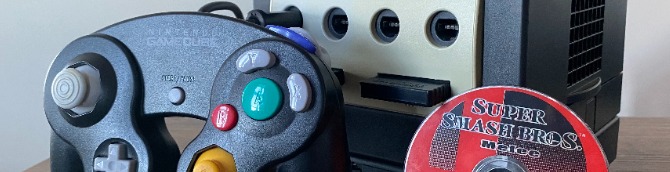
Today is a day worth celebrating. November 18, 2026 marks the 25th anniversary of Nintendo's sixth-gen home console, GameCube, in North America.
While the GameCube wasn't the star of the sixth generation — that honor goes to PlayStation 2 — it offered plenty of amazing, inventive, unforgettable experiences, both for Nintendo loyalists and the uninitiated. I certainly fell in the former camp back in November 2001. The Nintendo 64 had captured my imagination for the preceding five years, and I was eager to see what was next. As soon as I was able, I pre-ordered a bundle from Electronics Boutique that included the indigo-colored console alongside Luigi's Mansion, Star Wars Rogue Leader: Rogue Squadron II, and Wave Race: Blue Storm.
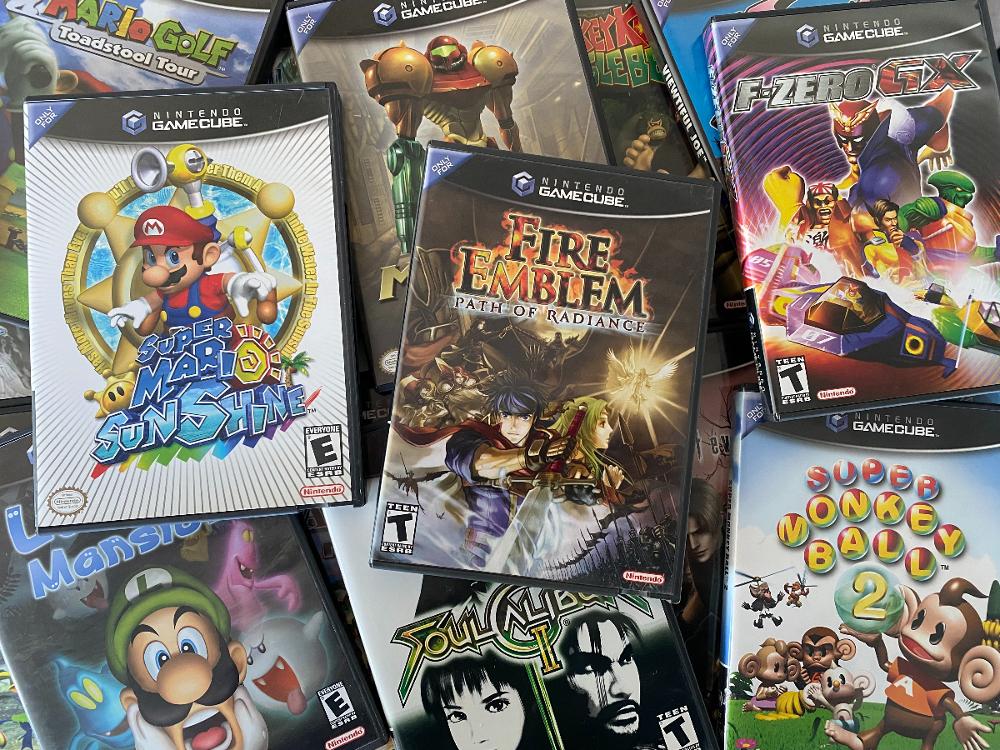
For the next five years, GameCube was my go-to gaming platform. Where the N64 helped get me through high school, its successor accompanied me through all four years of college. I recall inviting my dorm mates to my room freshman year to play Super Smash Bros. Melee and Super Monkey Ball. I remember spending hours during my sophomore year constructing custom maps in TimeSplitters 2. And I can't forget the dozens of hours spent racing Baby Park in Mario Kart: Double Dash with my hometown friends during summer break.
To honor those memories and celebrate the legacy of the indigo cube, I've composed a list of the 25 essential GameCube games. One quick housekeeping note: I excluded multi-platform games, in order to highlight what made the console unique at the time. With the exception of the honorable mention below, all titles are listed in alphabetical order. Enjoy!
Honorable Mention
SoulCalibur II
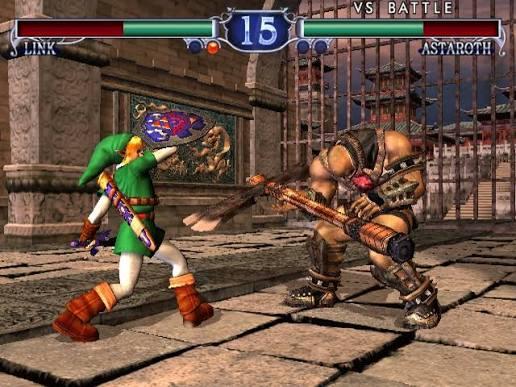
SoulCalibur II launched simultaneously on GCN, PS2, and Xbox, but it felt weird not to include it in this list in some capacity. While not an exclusive game, it features an important exclusive character — no other than Link from The Legend of Zelda. This makes it the best version of the multi-platform game (sorry Heihachi and Spawn). Even without the Hero of Time, SoulCalibur II is one of the best 1v1 fighters of the generation, or any generation for that matter, thanks to riveting tactical combat and a substantial single-player campaign.
Top 25
Animal Crossing
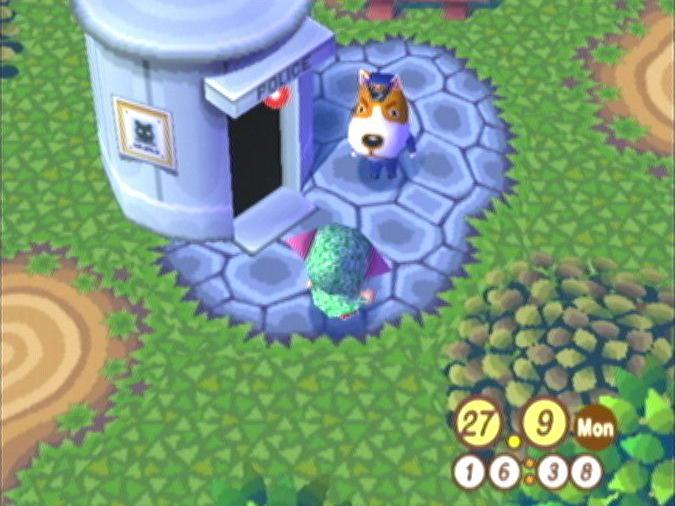
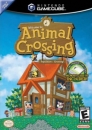
Long before New Horizons arrived in 2020 and took the world by storm, a humbler, more unassuming Animal Crossing appeared on GCN. I say with zero hyperbole that this title, which started one of the all-time great life simulation series, is among the most meaningful, magical video games you will ever play. For a full year of my life — 365 days — I played Animal Crossing, checking in for at least a few minutes each day. I like to think my friends and neighbors are still living out their digital lives in my memory card.
Baten Kaitos: Eternal Wings and the Lost Ocean
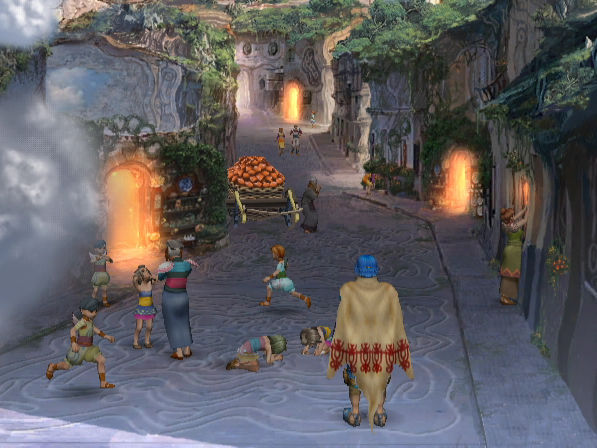
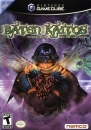
In my list of the 25 essential N64 games, I included only two role-playing games. The fifth-gen cartridge-based system wasn’t exactly a haven for the genre, after all. Luckily for RPG enthusiasts, Nintendo and its partners made a more serious effort on GameCube, which is perhaps best exemplified by Baten Kaitos: Eternal Wings and the Lost Ocean. Built for GCN specifically to fill a perceived gap, Baten Kaitos offered lots of RPG goodness: a fantastical story filled with plenty of twists and revelations; an inventive, absorbing card-battling system; and some of the best music and art you’ll ever experience. Just be sure to turn off the voice acting; or, better yet, try the HD remaster on Switch.
Donkey Kong: Jungle Beat
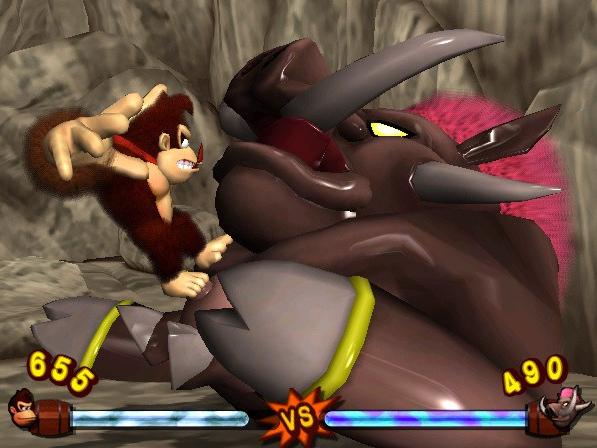
I have a confession to make: I love the DK bongos. I love the creativity and audacity of the unconventional controller. I love it in Donkey Konga, which I once played with friends so loudly and jubilantly that the downstairs neighbors called to complain. And I especially love it in Donkey Kong; Jungle Beat, one of the more underrated platformers of the sixth gen. Once you get used to the drumming and clapping mechanics, it’s a total blast. The kinetic, momentum-based gameplay is intense and incredibly rewarding. The only downside? It’s over far too soon.
Eternal Darkness: Sanity's Requiem
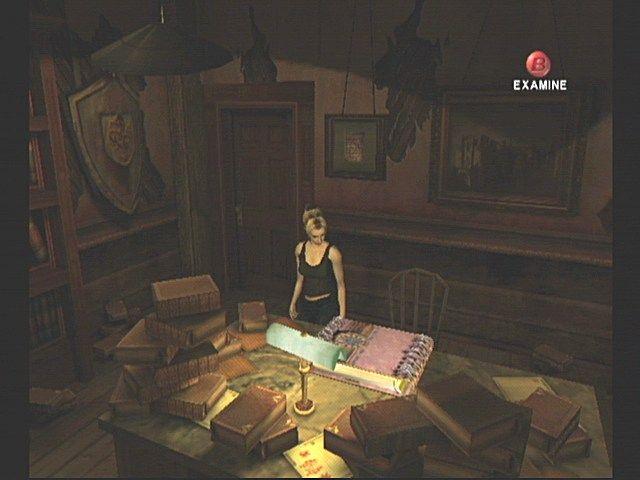
GameCube hosted a lot of unique, unlikely video games in the years between 2001 and 2006. One of the most unusual was Eternal Darkness: Sanity’s Requiem, which has since developed a powerful cult following. Developed by Silicon Knights and published by Nintendo, the game pushed the envelope narratively, thematically, and mechanically, submerging players in a Lovecraftian universe, experimenting with multiple timelines, and leveraging a sanity meter with fourth-wall breaking effects. Every GameCube enthusiast needs this game in their collection.
Final Fantasy: Crystal Chronicles
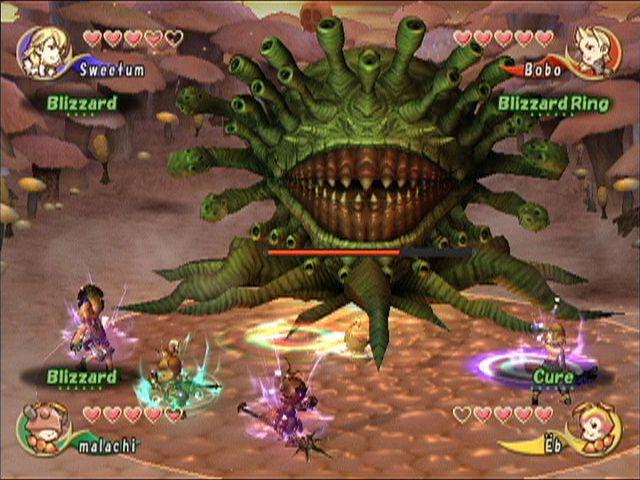
I've played a lot of co-op games in my 43 years on planet Earth, but I don't think any of them mean as much to me as Final Fantasy: Crystal Chronicles. It helps, of course, that I played it with one of my best friends, Lou. But it also helps that the game boasts a cozy, homey, humble vibe. You’re not a legendary warrior or a hero destined for greatness; you’re a member of a caravan looking to safeguard your home. Thanks to that setting, alongside a symbiotic spell-casting system, gameplay that demands careful coordination and communication, a lovely folk soundtrack, and inviting storybook visuals, Crystal Chronicles is an essential part of the GCN library.
Fire Emblem: Path of Radiance
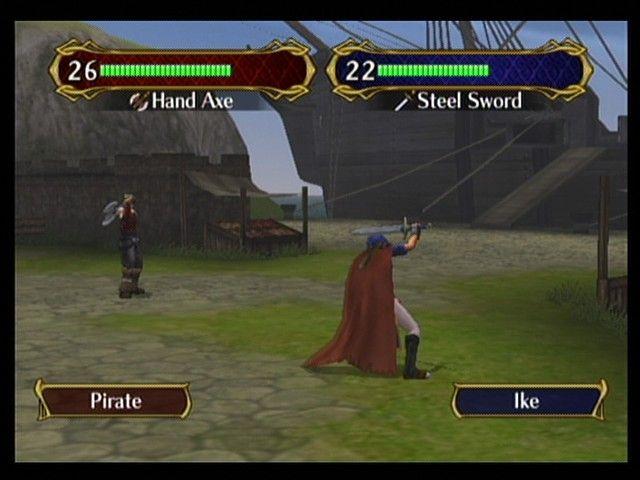
We’ve become accustomed to large-scale three-dimensional Fire Emblem games on Nintendo consoles — Fortune’s Weave landed on Switch 2 just two months ago — but it wasn’t that long ago when the series first made its transition to 3D. Thanks to its 3D battle models and full-motion video cutscenes, both firsts for the franchise, Path of Radiance created a more evocative, immersive battlefield. Not only that, but it excelled in character development, world building, and the same exceptional turn-based tactical combat the series is known for, augmented this time with a clever transformation mechanic.
F-Zero GX
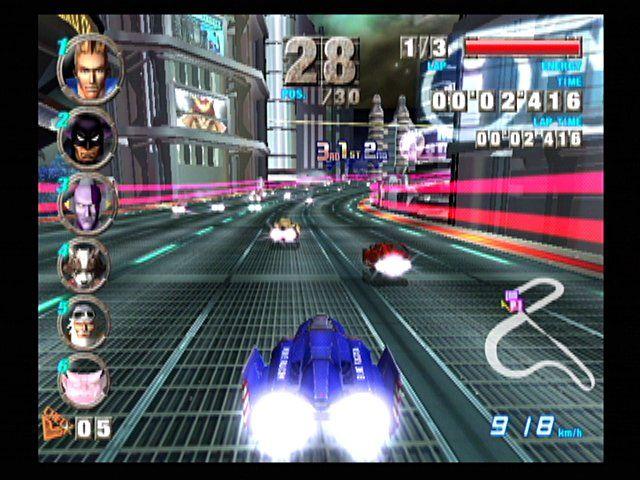
Sega, of all companies, really helped elevate the GameCube library. Perhaps its most important contribution was F-Zero GX, a blisteringly-fast racer with impeccable performance and a steep learning curve. Thanks to creative course design, thumping music, impossibly precise handling, and lots of unlockable content, it’s arguably the pinnacle of the F-Zero series.
The Legend of Zelda: Twilight Princess
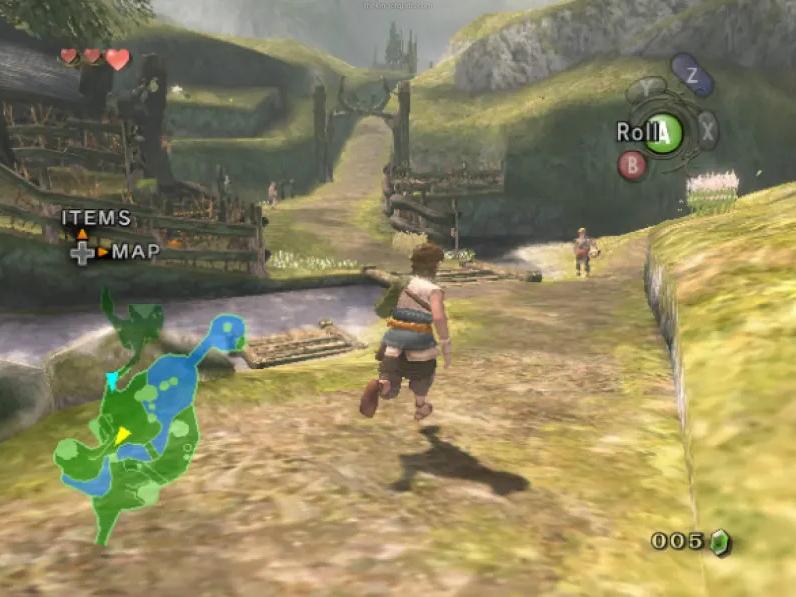
I know what you're thinking. Twilight Princess debuted on Wii and only arrived on GCN a month later, right? That’s technically true, but since the game started development on GameCube and plays differently on the sixth-gen system, I feel like it’s appropriate to include it. Don’t worry: if I’m still writing in 2031, I’ll include it in the list of the 25 essential Wii games. For now, though, let’s celebrate it on GCN. There’s a lot to celebrate, after all: a moody, atmospheric world; stellar dungeon design; a dramatic story featuring one of the all-time great Zelda companions; and, in the case of this version, the original, un-mirrored layout of Hyrule along with a left-handed Link and traditional controls.
The Legend of Zelda: The Wind Waker
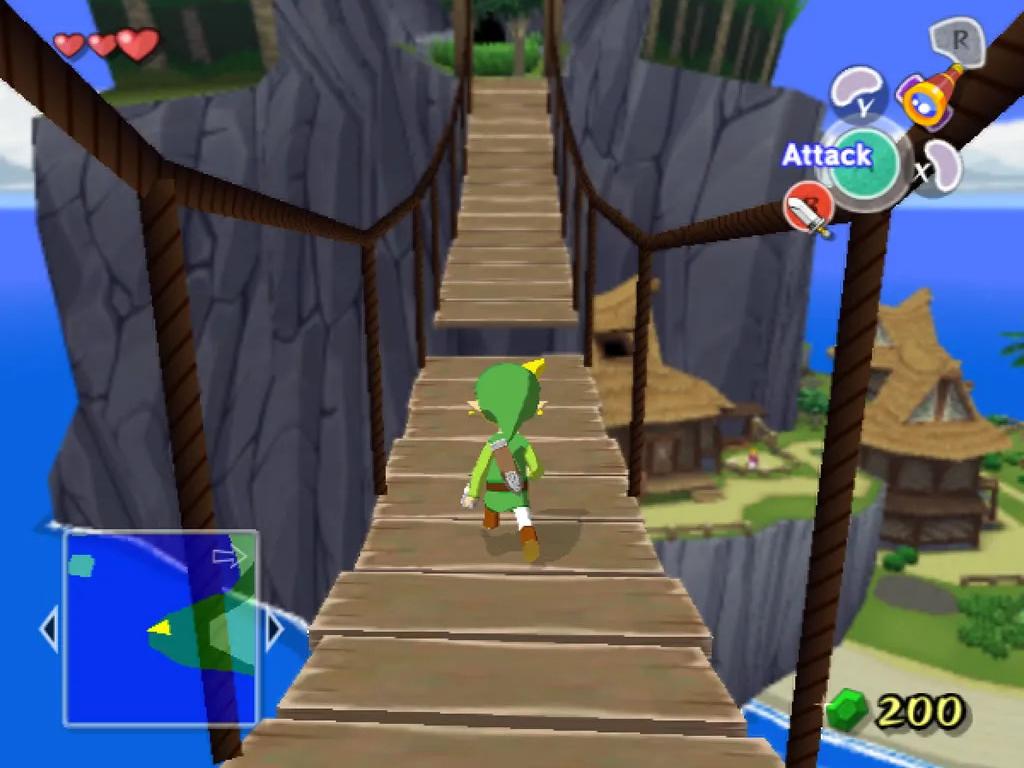
To its detractors, The Wind Waker is, in the words of Ned Flanders, the "answer to a question no one asked." To those of us who love it, it’s something we never knew we wanted. Indeed, I don’t expect many GameCube owners imagined a cartoonish sailing game as the next big thing in Zelda, but I’m incredibly grateful that’s what we got. The stylized, cel-shaded graphics were gorgeous in 2003 and have aged wonderfully; Link has never been more expressive; and the open sea provides a wholly unique playground with a delirious sense of discovery and adventure. Plus, the music is exceptional, even compared to other Zelda games.
Mario Kart: Double Dash
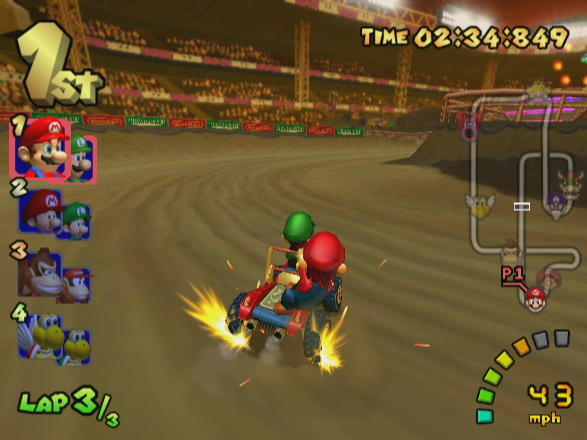
Before Mario Kart 8 showed up, I considered Double Dash the zenith of the kart racing franchise. The addition of a second racer immediately elevated the formula, adding a new layer of tactical depth. Suddenly, players had to think more carefully about which characters they picked — since each arrived with its own signature item — and then swap back and forth during hectic races to manage their inventories and keep aggressive opponents at bay.
Metroid Prime
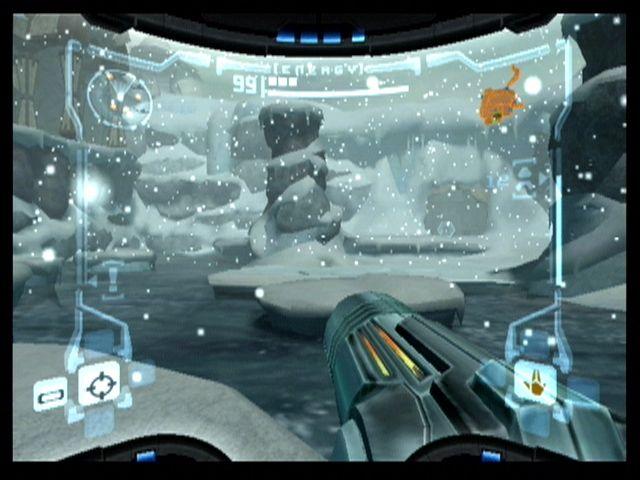
Metroid Prime has no business being as incredible as it is. Not only was the game’s developer, Retro Studios, so green that it had never shipped a game, but its design philosophy often clashed with that of Nintendo, which was overseeing the project. Moreover, everyone involved had to transition a dormant IP from a 2D side-scroller to a 3D first-person action-adventure. And yet, somehow, everything came together. Retro and Nintendo worked a miracle, delivering an amazingly atmospheric, surprisingly tactical, elegantly designed masterpiece. 24 years later, it remains one of the best games ever made.
Metroid Prime 2: Echoes
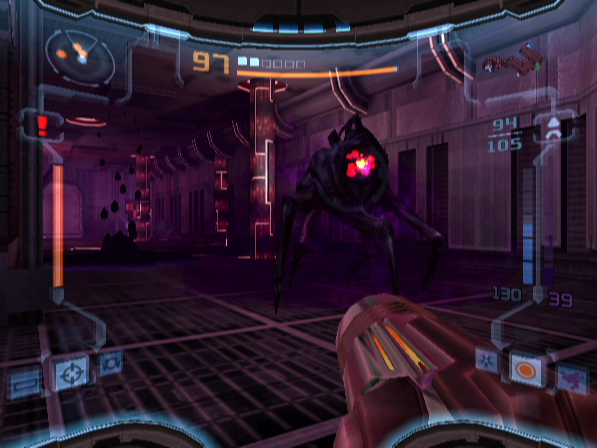
Just as the euphoria from Metroid Prime was beginning to fade, Retro Studios returned with a stellar sequel. While not as brilliant as the original, it remains an excellent entry in the Metroid canon, due to a sinister sci-fi storyline, an exciting dual world structure, and tactical gunplay focused on smart resource management.
Paper Mario: The Thousand-Year Door
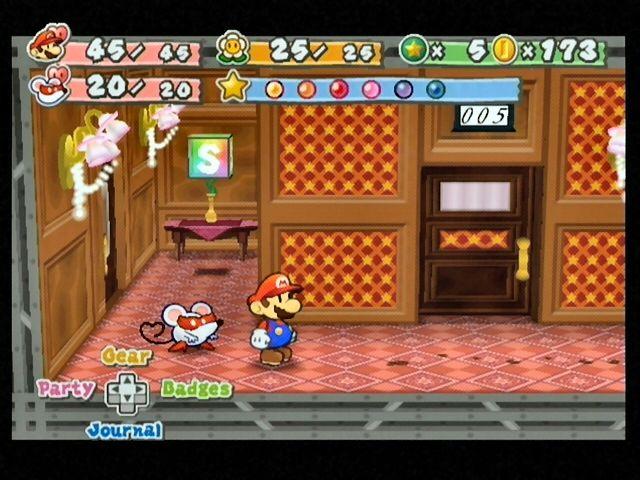
The Thousand-Year Door is generally considered the peak of the Paper Mario series. It’s easy to see why. For starters, the game sports a comfy, lived-in charm. Also, it’s positively packed with colorful characters, memorable moments, and humorous, diverting interludes. Finally, it nails the mechanical piece of the equation, offering a deep, flexible turn-based combat framework where character customization and party synergies make all the difference.
Pikmin
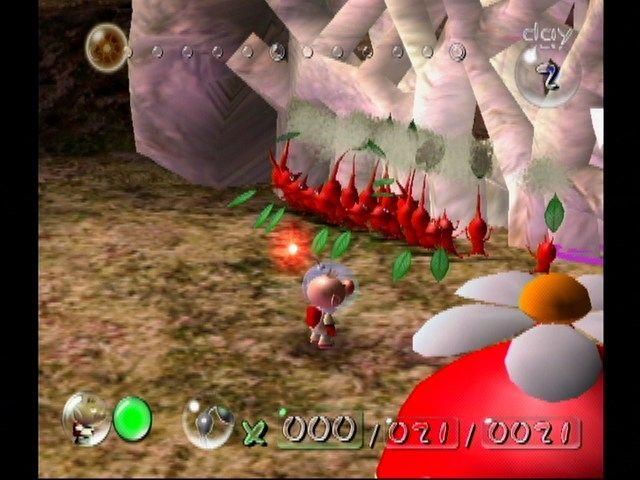
From the wholesome, creative mind of Shigeru Miyamoto comes Pikmin, one of the more out-of-left-field Nintendo IPs — which is saying something. Don’t let the game’s cuteness mislead you, though. This gem is all about tense real-time encounters, strict time limits, and the unavoidable loss of your tiny soldiers, which hurts just as much emotionally as it does tactically.
Pikmin 2
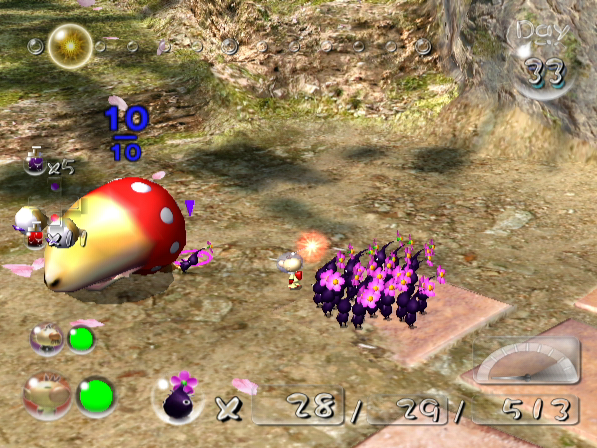
While Pikmin 2 loses some of the original’s focus and tension, it makes up for it with expanded modes, more rewarding exploration, new moves and Pikmin types, and a greater focus on resource management and multitasking.
Resident Evil
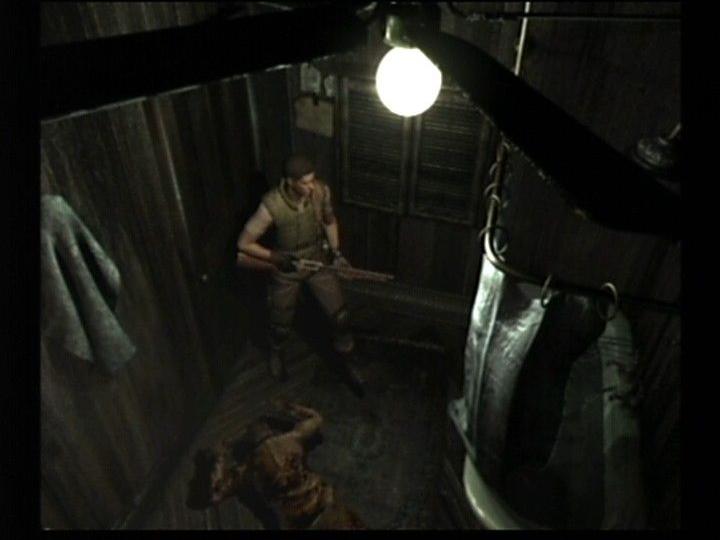
Capcom has received lots of (deserved) praise for its recent Resident Evil remakes, but the company should perhaps be most proud of the one from 2002 on GameCube. It significantly elevated the 1996 original by leveraging highly-detailed, painterly backgrounds; enhancing light, shadow, and special effects; introducing dangerous new enemies; and surprising fans with new areas and a significant new subplot.
Resident Evil 0
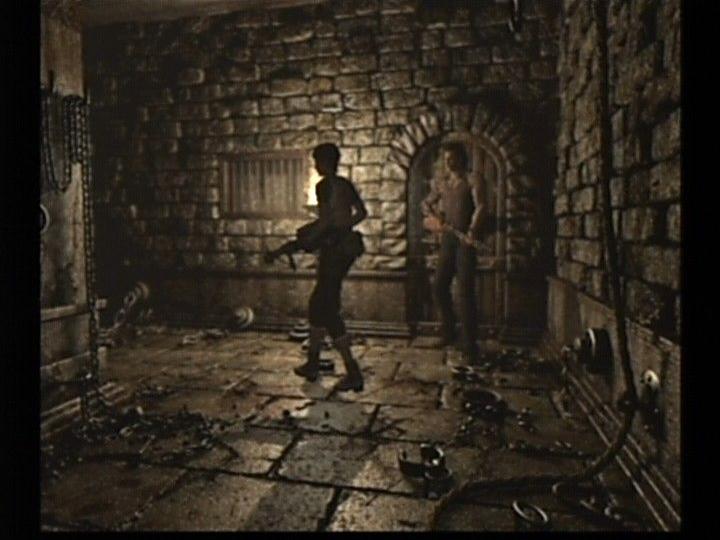
Resident Evil 0 is no one’s favorite RE game, but I’ll fight tooth and nail to keep it on this list. I love the opening sequence on the train. I love how it fills in the narrative gaps from the first Resident Evil. Most of all, I love the partner swapping mechanic, which opens up lots of tactical, problem-solving opportunities.
Resident Evil 4
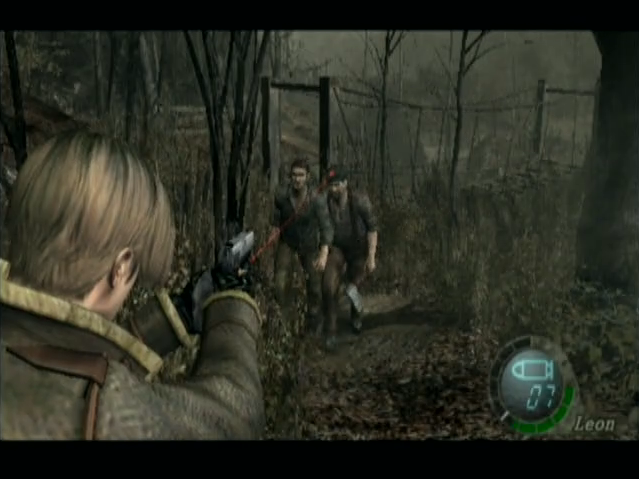
There are a lot of great games on this list, but none as transcendent as Resident Evil 4. The graphics are stunning, the art direction is eerie and grotesque, the pacing is perfect, and the third-person shooting is beyond reproach. By removing the fixed camera angles that had defined the series previously, and introducing nimble, clever, coordinated monsters, Capcom opened up a brave new world of thoughtful, tactical, improvisational gunplay.
Star Wars Rogue Squadron II: Rogue Leader
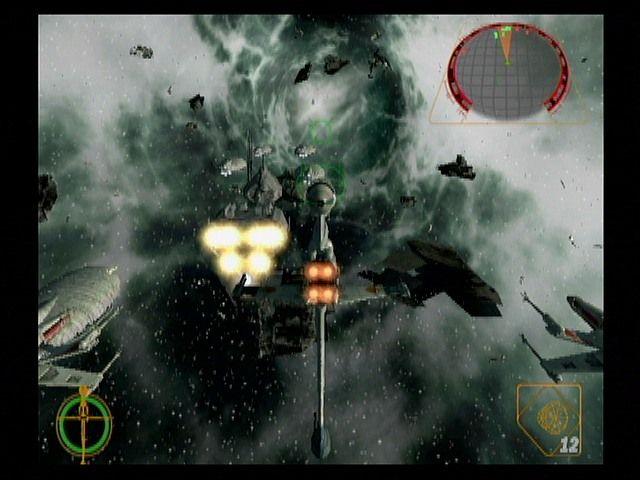
Rogue Squadron II is a graphical and aural work of art. Built by Factor 5 using Dolby Pro Logic II and dark magic, it made a huge splash on GameCube in 2001, effectively transporting early adopters to the icy plains of Hoth, the dusty canyons of Tatooine, and the cold, gray, laser-filled expanse above the Death Star. Few Star Wars games are as spectacular and as respectful of the source material.
Super Mario Sunshine
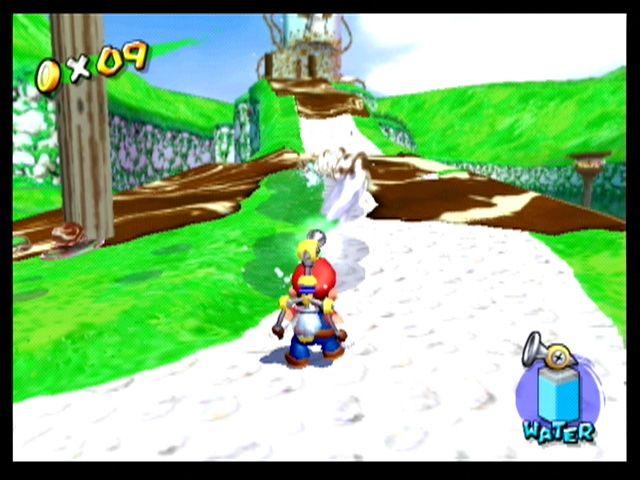
Sure, Super Mario Sunshine is among the weakest 3D Super Mario games. But that's sort of like being the dumbest member of Mensa. It’s still a great game, even if it can’t compete with Odyssey or Galaxy. Why’s that? Well, it benefits from an atypical, vibrant tropical setting; lovely ink and water effects; lots of diversity in terms of stage layouts and boss designs; and a water propulsion system that seriously changes the scope of both platforming and combat.
Super Monkey Ball
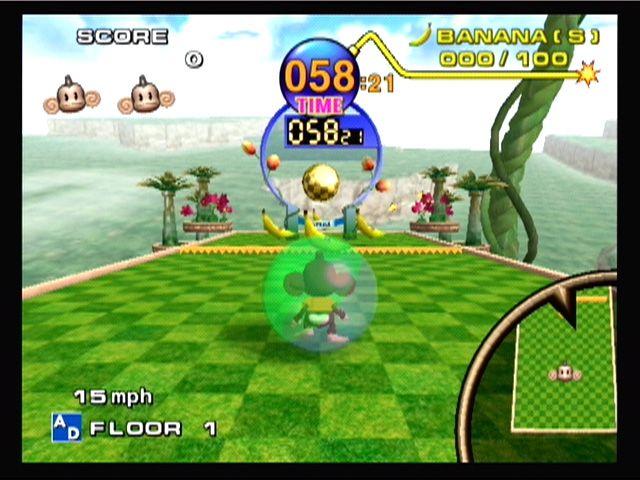
When I gather with my niece and nephew to play GameCube, we don’t reach for Mario Kart or Smash Bros. or Mario Party; we reach for Super Monkey Ball. In part that's because we adore the competitive mini-games, particularly the GOAT, Monkey Target. But it's also due to the perfectly agile controls, aided greatly by the precision of the GCN analog stick.
Super Monkey Ball 2
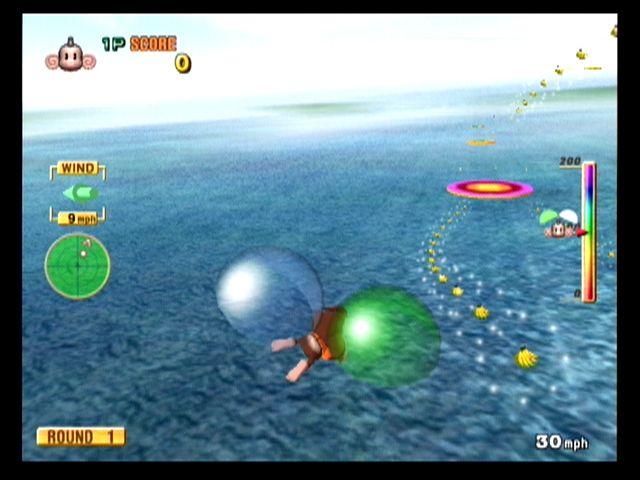
Two Monkey Ball games in the same list? You're damn right. While the premier game leans more heavily into pure arcade gameplay, focusing on tighter, leaner stages based around timing and precision, Monkey Ball 2 offers more forgiving maps featuring puzzles, switches, and gimmicks. The sequel also offers a substantial story mode and an expanded roster of mini-games. I keep both games in regular rotation.
Super Smash Bros. Melee
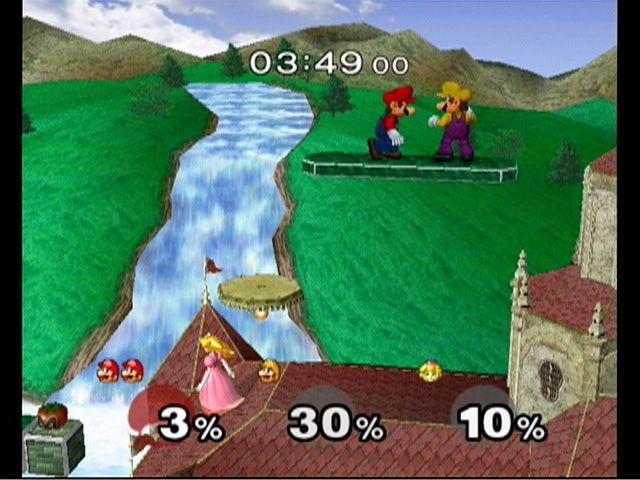
Although I played the original Super Smash Bros. for hours on end with my friends in high school, I never really warmed to it. I fell in love immediately with its sequel, however. The roster in Melee is larger and more varied; the moves are more complex; the pace is faster; the performance superior; the skill ceiling much, much higher; and the single-player content far more robust. Super Smash Bros. Melee is my most played GCN game of all time — a record I expect will never be broken.
Tales of Symphonia
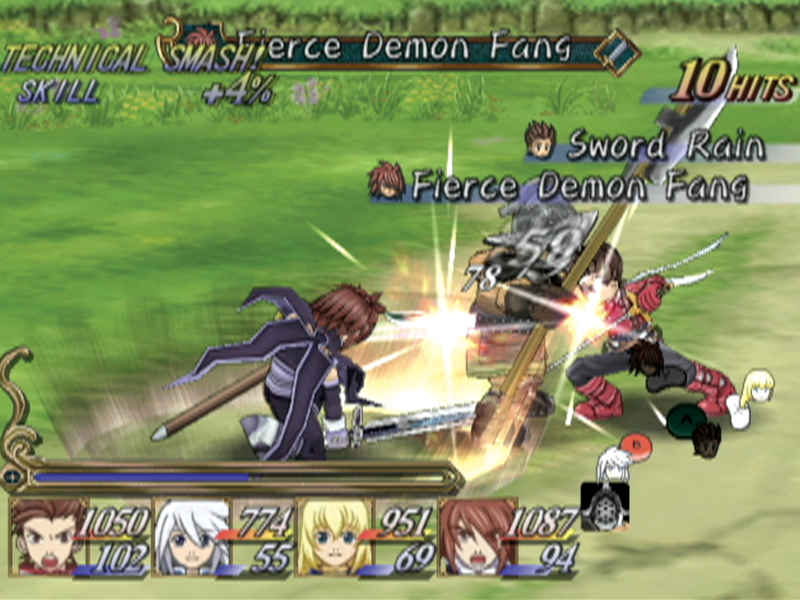
Back in 2004, I had to restart Tales of Symphonia more than once. I really struggled with its Multi-Line Linear Motion Battle System. Eventually, though, something clicked. After that, I treasured every moment with the game. I love the cast, which is one of the best and most memorable I've encountered in an RPG. I love how silky smooth it is. I love the cel-shaded art style, which defies the aging process. And I love the combat framework (now that I've wrapped my head around it) with its clever focus on spacing, AI prompts, and combination attacks.
Viewtiful Joe
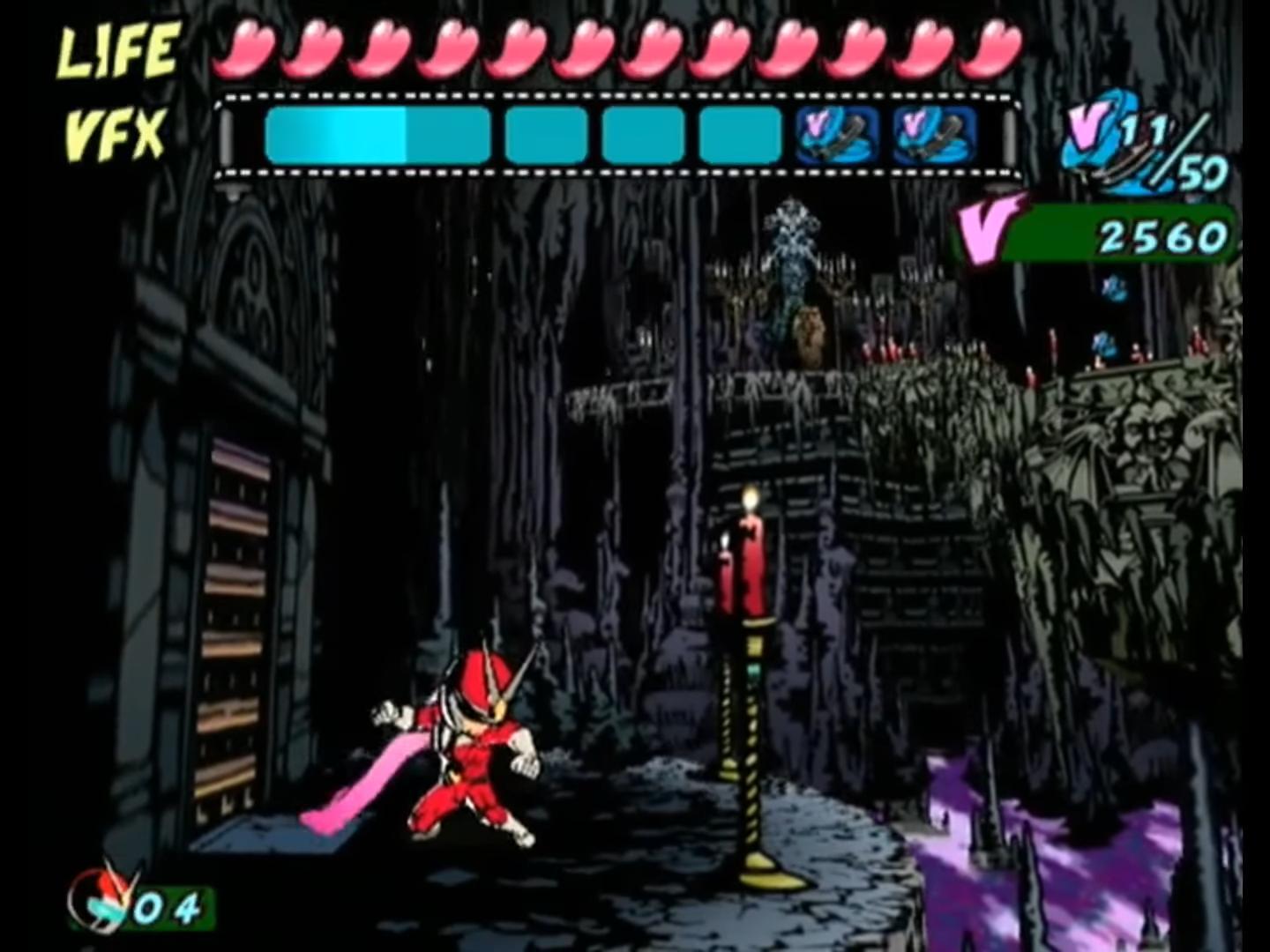
Here's another one that stymied me when I was younger. I hit my head against the wall time and again trying to predict enemy attacks and master Joe's time manipulation powers. Eventually, after some growing pains, I made sense of it all. That didn't make it easy, though. Viewtiful Joe remains a challenging, something punishing experience, especially on its higher difficulty settings. But that just makes beating the game that much more rewarding. There are few feelings in gaming quite as intoxicating as deftly dodging an enemy attack, slowing down time to pinpoint an opening, and then using mach speed to deliver a barrage of rapid-fire punches and kicks. It's a viewtiful thing.
And that's my list! I hope you enjoyed this walk down memory lane. Please feel free to share your favorite GCN games and stories in the comments section below.