






The Hype Train: Who It Actually Benefits - Article
by VGChartz Staff , posted on 01 February 2015 / 4,278 Views
Looking back upon the past year, it’s abundantly obvious to the most of us that 2014 was a year filled with disappointing or downright broken game releases. Many of the best games from last year were not all that highly anticipated among gamers and managed to surprise and amaze us. Conversely, the most disappointing game releases of 2014 almost always had one thing in common. Can you guess what this factor was?
With major video game development budgets frequently surpassing those of summer blockbuster films, triple-A titles need to sell incredibly well in order to turn a profit. As such, marketing plays a much larger role in gaming than ever before. Usually, this takes the form of pre-release trailers and demos, and generally speaking these do impress. However, as we’ve seen with a number of recent botched launches, the likelihood of a trailer or gameplay demo representing the final game is becoming increasingly slim.
Despite the gaming community's trust in pre-release footage waning, marketing material will continue to exist and, as we’ve seen recently, companies will begin to tackle marketing in more nuanced ways. Instead of just releasing commercials, demos, and trailers, companies are increasingly using gaming media to promote their titles. Regardless of the form of marking, though, it's all utilized to serve one singular purpose. This purpose is to generate hype among gamers.
Hype is the most powerful and effective marketing tool for product sellers. Hype grows exponentially and, once it starts, it becomes very difficult to halt. Corporations know better than anybody that word of mouth is more effective at generating hype than explosive, pre-rendered trailers or flashy TV commercials. As such, it's important for gaming publishers to generate hype for their upcoming releases and, as gamers, it's a mentality we seem to support.
However, getting caught on the hype train is a very dangerous thing indeed. Obviously not in the literal or physical sense, but rather as a community gamers becoming excited or hyped for an upcoming product is feeding a vicious and undesirable circle. People highly anticipating a title are often more likely to pre-order the game sight unseen, and are all too eager disregard any critical opinions of the title in question, as well as recommend that other people also pre-order it.
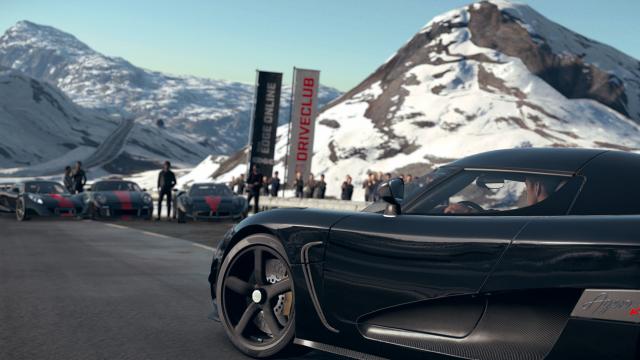
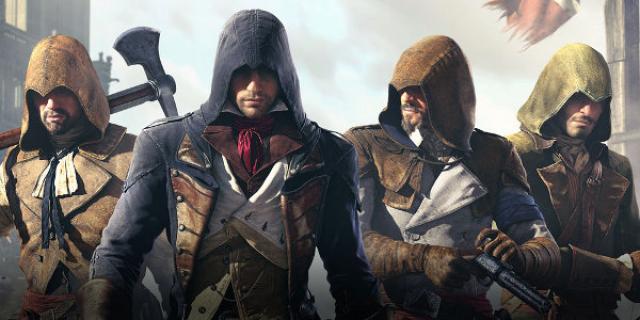
This mentality is detrimental for a number of reasons. Pre-orders virtually guarantee that - on day one - a publisher will see a certain amount of revenue for the game, regardless of the overall quality of the title or even whether or not the game actually works. As we've observed with recent game launches for titles like Assassin's Creed Unity, DriveClub, and Halo: The Master Chief Collection, the latter is an occurrence that's becoming less and less common.
It provides publishers and developers with less incentive to deliver a quality, working product. If a company has a large number of guaranteed sales on day one thanks to high pre-orders, before any critical reviews, community feedback, or actual gameplay is released, then sales will not be deeply affected by the overall quality of the product.
Instead, publishers are able to focus on releasing their games at the optimal time to capitalize on consumer enthusiasm, even if the game doesn't work properly. With guaranteed day one revenue that won't be affected by the quality or state of the game, it remains more profitable to sell an incomplete or non-functional game in time for Christmas than a fully functional title that needs to be delayed until shortly after the holiday period in order to be completed.
When a consumer decides to pre-order a game, they are showing of faith in the publisher or developer's ability to deliver a solid, enjoyable, and working title. However, doing so does not really benefit the consumer, but what it does do is ripen them for exploitation.
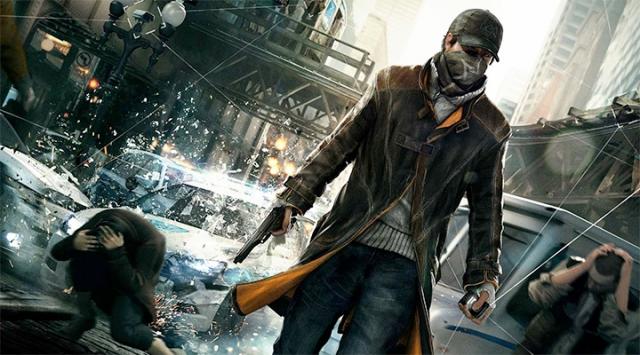
Another problem frequently caused by hype is the resulting misrepresentation of highly anticipated games. It breeds delusion and when a gamer finds him or herself disappointed by a highly anticipated release then one of two knee-jerk reactions often occurs.
Either they convince themselves that the game is fantastic, despite the game's obvious flaws (this is often seen with high profile console launch titles), or they decry the game and refuse to even acknowledging what it manages to do well. Good examples of this happening recently are Watch Dogs and Destiny, both of which largely failed to recover reputationally from early dissappointments. Misrepresentation is never good, but even if a title doesn't live up to the hype it does deserve a fair chance. Unless it's barely functional at launch, in which case have a field day.
I understand why people get excited for games. However, we've begun to see the downside of over-hype for titles, as it sets gamers up for disappointment and exploitation. Gamers would be better served by adopting a level of healthy scepticism when it comes to all upcoming titles, because as it stands right now publishers are all too easily able to get away with forcing games out well before they're ready.