Existing User Log In
New User Registration


Register for a free account to gain full access to the VGChartz Network and join our thriving community.





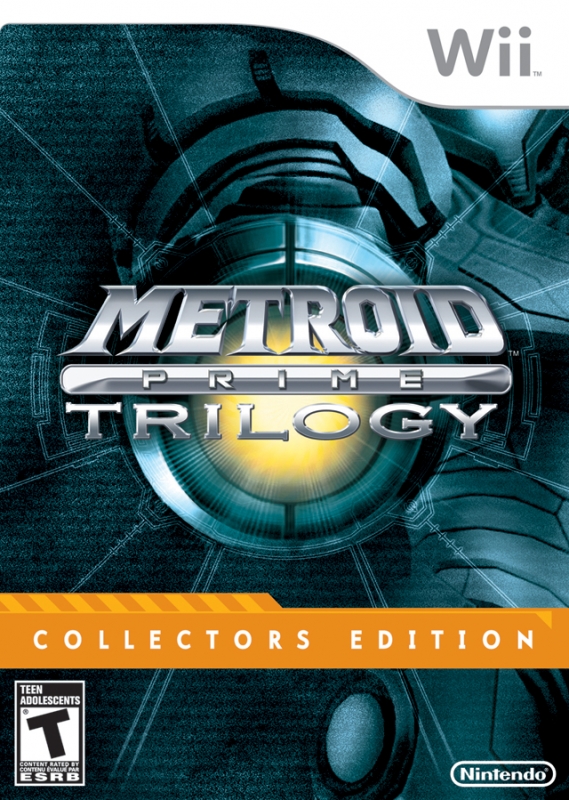
America - Front
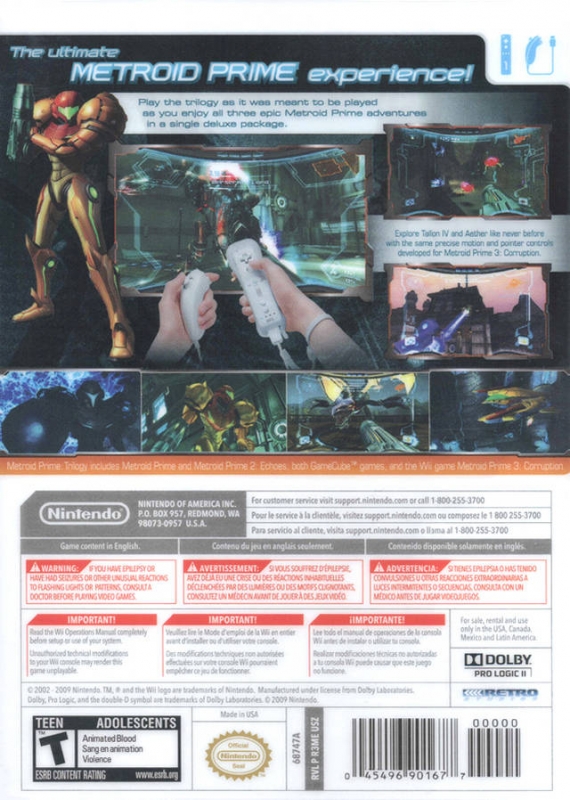
America - Back


Retro Studios
Shooter
 08/24/09 Nintendo
  (Add Date)
 09/04/09 Nintendo
| Owners: | 515 | |
| Favorite: | 80 | |
| Tracked: | 5 | |
| Wishlist: | 3 | |
| Now Playing: | 44 | |
| Total Sales |
0.00m
Japan |
0.42m
NA |
0.05m
Europe |
0.14m
Others |
0.61m
Total |
| 1 | n/a | 98,164 | n/a | 17,323 | 115,487 |
| 2 | n/a | 22,175 | n/a | 13,955 | 36,130 |
| 3 | n/a | 10,985 | n/a | 11,842 | 22,827 |
| 4 | n/a | 7,490 | n/a | 7,556 | 15,046 |
| 5 | n/a | 6,071 | n/a | 5,715 | 11,786 |
| 6 | n/a | 4,956 | n/a | 5,042 | 9,998 |
| 7 | n/a | 4,401 | n/a | 4,464 | 8,865 |
| 8 | n/a | 4,475 | n/a | 3,852 | 8,327 |
| 9 | n/a | 4,735 | n/a | 3,284 | 8,019 |
| 10 | n/a | 5,015 | n/a | 2,887 | 7,902 |
 |
|
 |
supernihilist
posted 23/01/2014, 05:52
Best games ever, you cant go wrong with these games. Even today are gorgeous, the art is incredible, the soundtrack is best ever....just amazing package. I own 2 copies of this for anyone interested in by the way... Message | Report |
 |
DevilRising
posted 27/08/2013, 10:03
@RobDX Indeed. If they had printed more copies of it, it would have sold well over a million for sure. For my money, I'd almost say it was a better package deal than Orange Box was. Message | Report |
 |
|
 |
|
 |
Significant_leap
posted 24/06/2012, 04:15
The first one is a classic, redefines the franchise and the genre, and has the best atmosphere out of the 3 The second one is more challenging, more complex, better in many ways The 3rd one is the culmination, better grafix, more complex story, same level of challenge...but not as appealing Overall this is a must have for every gamer out there...you should buy a Wii just for these 3 games Message | Report |

About Us |
Terms of Use |
Privacy Policy |
Advertise |
Staff |
Contact
Display As Desktop
Display As Mobile
© 2006-2026 VGChartz Ltd. All rights reserved.