|
0.10 m Ratings Alternative NamesMana-Khemia 2: Ochita Gakuen to Renkinjutsushi Tachi DeveloperGust GenreRPG Release Dates
Community Stats
|
Gust is not your average JRPG developer. While most JRPG’s attempt to make epic stories that have you saving the world and learning important life lessons along the way Gust is much happier making cute silly little stories with just a touch of raunchy humor. The first Gust game I reviewed was Ar Tonelico 2, which was a great game except for an unfortunate localization job and extremely dated visuals that brought the title down to being average overall. Has Mana Khemia 2 faired any better?
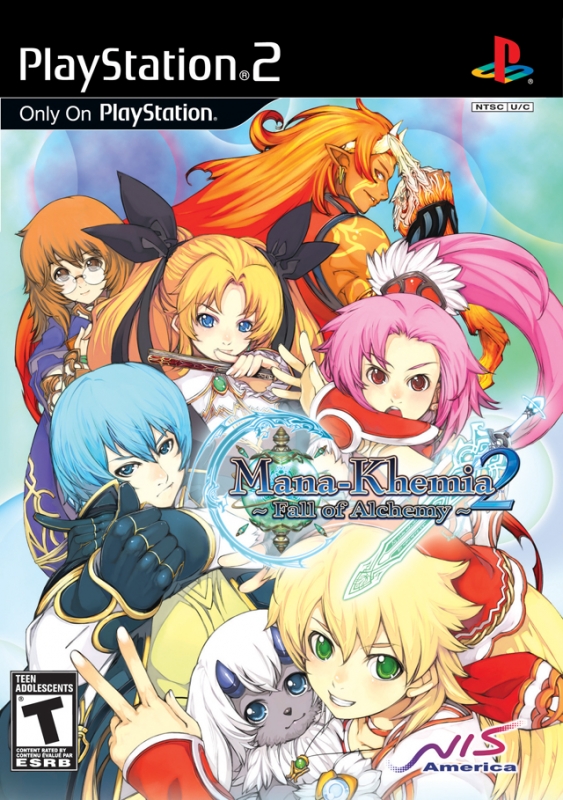
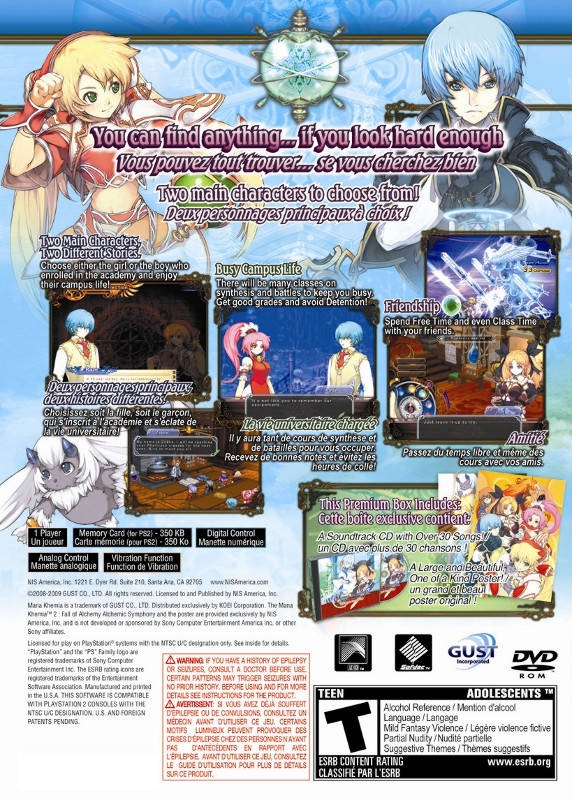
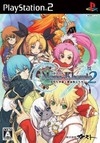
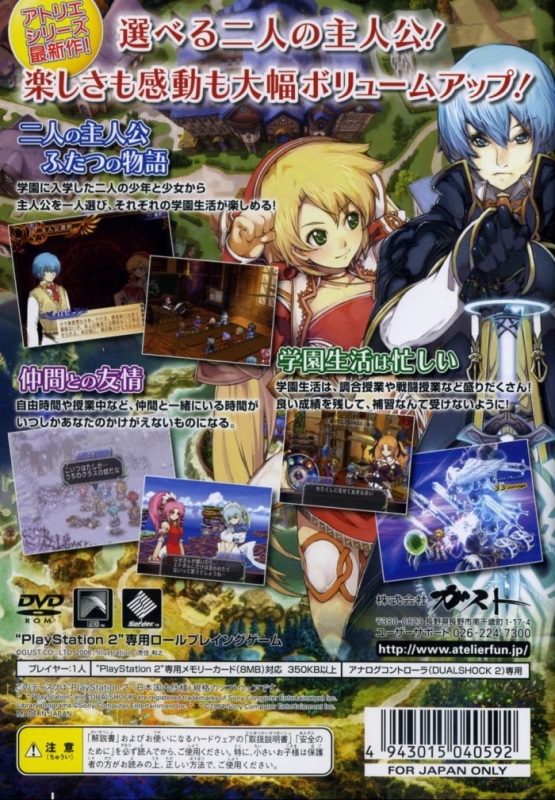
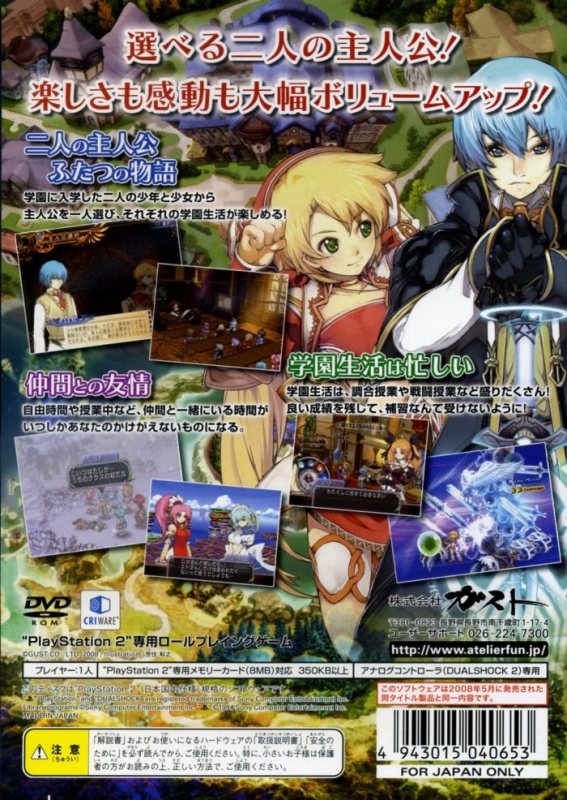
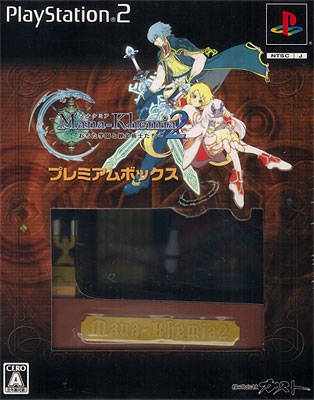
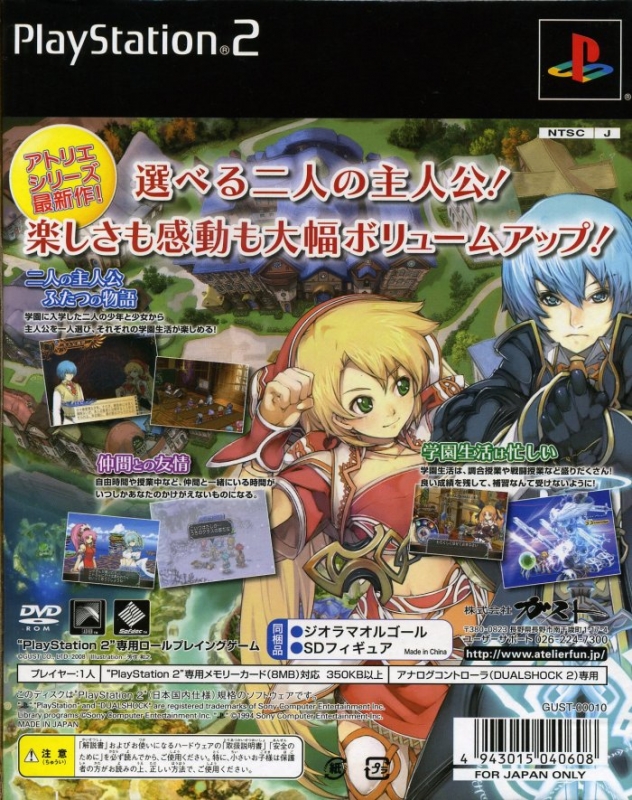
When you start up Mana Khemia 2 you are given a choice between two different main characters. You can either play as Raze, a combat student coming into Al-Revis, or Ulrika, a new alchemy student. Each main character comes with their own storyline as you play through a year of classes at the academy and each has a completely separate group of playable characters that you will be using in battle and learning about through the story. The two stories are not completely unique however and the two groups end up going through some of the same story events as assignments from their teachers. Both stories have the usual Gust humor, and although they were not constant laugh out loud riots there were quite a few instances of hilarious sexual humor that made me laugh and feel weirded out and uncomfortable at the same time. While the initial story about school politics sounds interesting you quickly move on to bigger things making the initial storyline feel more like a side quest than the main story. The story does stumble over itself when it tries to make a serious point, but these do not occur very often.
Combat in Mana Khemia 2 is like your standard turn based JRPG fare with a twist. You have three of your five characters out in the battlefield and their speed determines how often they get a turn, just as the monsters’ speed determines that for them. The two characters that aren’t on the front lines sit in the back. After a certain amount of time your back line characters will be ready to switch in, and they can help out by stepping in for an extra little hit, or they can take the place of a frontline character to take a hit for them. Whenever a supporting character switches in for one on the frontlines, they will take their place until they are switched out with someone else. What makes this battle system great is that all of your characters are useful in a battle without the necessity of having all five being on screen at once. Also when you switch in a character to block a hit they will take less damage than the frontlines character would have on their own.
One of the most inventive features of this game is how it deals with alchemy. Since the academy is a school of alchemy item creation is a big part of the game, but I was surprised just how big of a part it takes. You spend a lot of your time out collecting materials for alchemy because of one class objective or another, you will have to make your own equipment since the school store has next to nothing, and a minigame decides the quality of your creations, but alchemy serves an even more central role than this. Whenever you defeat a monster, you are rewarded with points and after a certain number the character’s maximum HP and SP will increase but you have to increase all of the other stats manually. Each time you create a new item through alchemy for the first time stat increases and/or new or upgraded abilities are unlocked in one of your characters that you can obtain using points you earned fighting monsters. This system puts alchemy in the center stage of the game because you cannot level your characters’ stats without creating new items so you will spend hours and hours creating every possible piece of equipment or consumable to unlock stat increases for your characters. It is a really cool system that makes alchemy and item creation in general far more important than any other JRPG I have played, which makes sense since it is the cornerstone of the story.
Unfortunately, Mana Khemia 2 suffers from the same kind of lackluster presentation as Ar Tonelico 2. The visuals feel very dated and animations are few and far between when not in battle. I really dislike that the characters would just say what they were doing without actually doing it on the screen, sure, that was the norm in the era of the original Playstation but these days it just comes off as lazy. There are also some bugs and framerate drops, but these never got bad enough to affect the gameplay. Voice acting is only used for main story events, but most of it is pretty good with the exception of a few lines here or there that feel like the actor/actress was not really trying. The music is unfortunately average. One of the best parts of the presentation for Ar Tonelico 2 was the unique music, but Mana Khemia 2 comes off sounding like your average JRPG musically.
Mana Khemia 2 is an interesting JRPG that avoids being normal as much as possible. The battle system is a different take on turn based systems, the focus on alchemy is very well done, and you can get a lot of hours out of the game if you so care to. But the presentation is poor in almost every regard and your playthrough with the second character will not be as interesting from a story standpoint as your first. I would suggest that fans of JRPG’s or Gust in particular pick this one up and you will not be disappointed, but it really only comes out to being a slightly better than average JRPG experience. |
Sales History
Opinion (4) |
|||||||||||||||||||||||||||||||||||||||||||||||||||||||||||||||||||||||||